
Pollo en Crema y Loroco: Authentic Guatemalan Chicken Recipe
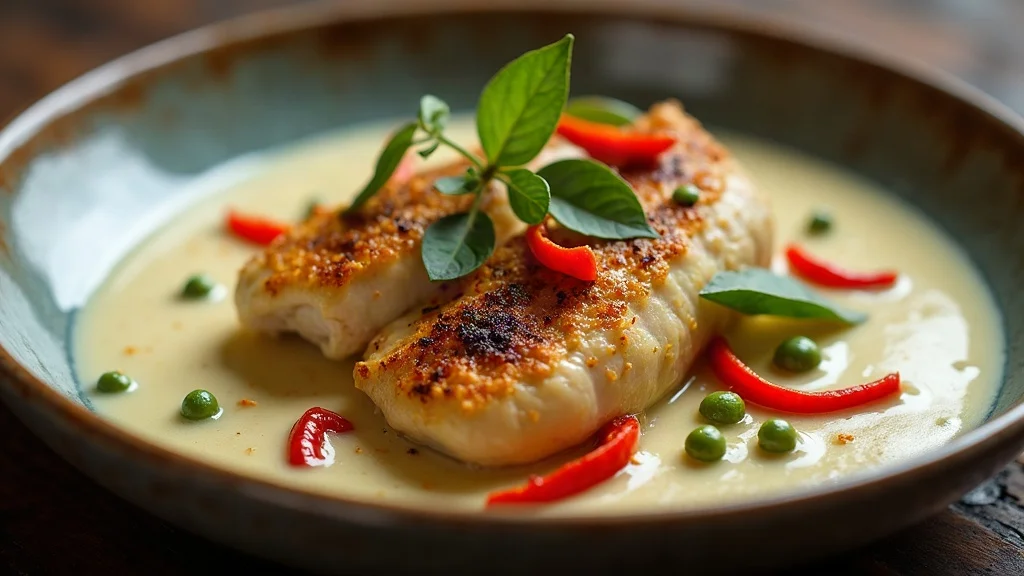
AI Quick Summary: Pollo en Crema y Loroco represents an authentic cornerstone of Guatemalan gastronomy, celebrated for its harmonious balance of ancestral Mayan spices, aromatic recado bases, and rich slow-cooked comfort.
The Soul of the Highlands: An Introduction to Pollo en Crema y Loroco
To step into a Guatemalan kitchen is to encounter a symphony of scents: the earthy musk of corn tortillas hitting a hot comal, the brightness of fresh cilantro, and, most distinctively, the elusive, floral aroma of loroco. Among the pantheon of traditional guatemalan food, few dishes capture the essence of home and hospitality quite like Pollo en Crema y Loroco. This is not merely a chicken stew; it is a masterclass in balance, blending the richness of dairy with the botanical intrigue of the Central American highlands.
At its core, Pollo en Crema y Loroco consists of tender chicken simmered in a velvety cream sauce infused with the flower buds of the loroco plant. The sensory profile is complex. The cream provides a luxurious, coating mouthfeel, while the loroco introduces a flavor that is difficult to pin down for the uninitiated—it is simultaneously herbaceous, slightly nutty, and delicately floral, reminiscent of a cross between asparagus and a wild artichoke, with a hint of anise. When these elements merge, the result is a comforting, sophisticated dish that signals a special occasion or a cherished family gathering.
For the American home cook, this dish represents a gateway into the broader world of Guatemalan gastronomy. While many are familiar with the bold spices of Mexico or the slow-roasted meats of Argentina, the cuisine of Guatemala offers a subtle, refined palette that emphasizes the natural flavors of indigenous flora and fresh produce. Mastering this recipe is an act of cultural preservation, bringing the warmth of the Guatemalan highlands into the modern US kitchen.
Mayan Roots & Cultural Heritage in Guatemala
The history of Pollo en Crema y Loroco is a narrative of convergence. To understand this dish, one must first understand the land from which its primary ingredient springs. Loroco is a climbing plant native to Central America, and its use in cooking predates the arrival of Europeans by centuries. The ancient Maya, the stewards of the region's biodiversity, integrated loroco into their diet not only for its flavor but for its availability in the wild and its presumed medicinal properties.
The "crema" element of the dish, however, is a legacy of the Spanish colonial era. The introduction of cattle and dairy farming to the Americas transformed the indigenous diet, leading to the creation of crema—a thick, slightly tangy table cream that differs from the heavy creams found in French or American cooking. The fusion of the indigenous loroco bud with the Spanish-introduced dairy created a culinary hybrid that reflects the mestizaje (mixing) of Guatemalan identity.
In Guatemala, food is deeply tied to the calendar and the spirit. While Pollo en Crema y Loroco is enjoyed year-round, the use of preserved loroco is especially poignant during the season of Fiambre. Every November 1st, for All Saints' Day, Guatemalans prepare a massive, complex salad called Fiambre, which incorporates dozens of pickled vegetables and meats. The techniques used to preserve loroco in brine or vinegar, which allow us to enjoy it in the United States today, are rooted in these ancient traditions of preservation and celebration.
Core Ingredients & US Kitchen Equivalents
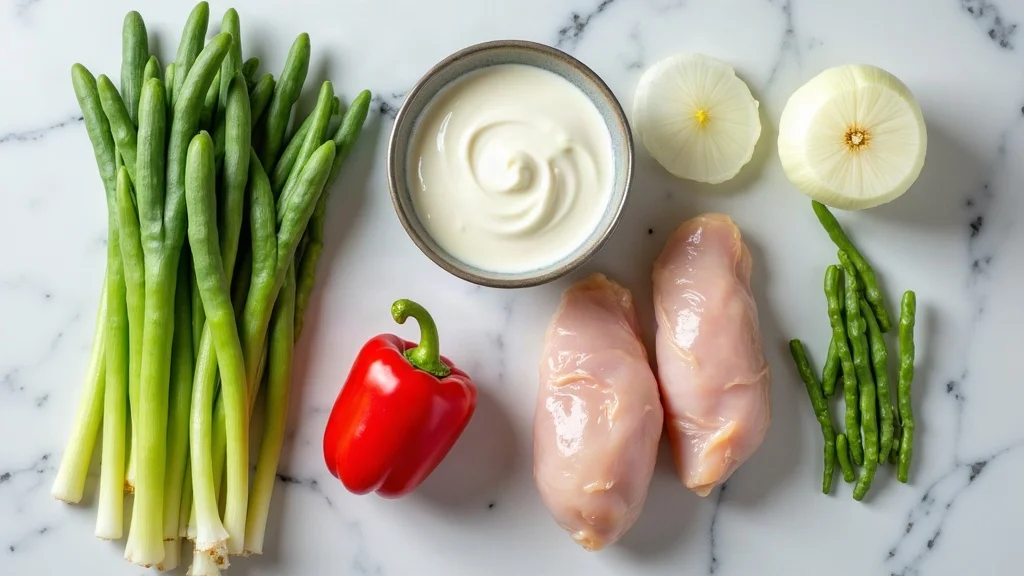
Sourcing ingredients for traditional guatemalan food in the US requires a bit of detective work, particularly regarding the loroco. Below is a comprehensive guide to the components needed for an authentic preparation, provided in both Imperial and Metric measurements.
The Primary Components
| Ingredient | US Imperial Measurement | Metric Measurement | Notes/Substitutes |
|---|---|---|---|
| Chicken Thighs (bone-in) | 2 lbs | 900 g | Skin-on for maximum flavor |
| Loroco Buds | 1/2 cup (frozen or jarred) | 60 g | See sourcing guide below |
| Guatemalan Table Cream | 1.5 cups | 350 ml | Substitute: Mexican Crema or Sour Cream thinned with milk |
| White Onion | 1 medium, finely diced | 150 g | Yellow onion is an acceptable substitute |
| Garlic | 3 cloves, minced | 15 g | Fresh is essential |
| Roma Tomato | 2 medium, diced | 200 g | Seedless |
| Red Bell Pepper | 1/2 cup, finely diced | 75 g | Adds sweetness and color |
| Chicken Broth | 1 cup | 240 ml | Low sodium preferred |
| Butter or Oil | 2 tbsp | 30 g | Unsalted butter provides a richer base |
| Salt & Black Pepper | To taste | To taste | Adjust based on loroco brine |
The Loroco Sourcing Guide
Since fresh loroco is rarely available in US supermarkets, you will likely encounter it in three formats:
- Frozen: The gold standard for home cooks. It preserves the floral notes best.
- Jarred/Brined (en salmuera): Very common. Rinse these thoroughly under cold water to remove excess salt and acidity before adding to the pan.
- Pickled (en escabeche): Use with caution. These are more acidic and may alter the flavor of the cream sauce.
If loroco is absolutely unavailable, a combination of finely chopped asparagus tips and a pinch of ground coriander can mimic the earthy, floral profile, though it will not be an authentic representation of traditional guatemalan food.
Step-by-Step Culinary Masterclass
The secret to a restaurant-quality Pollo en Crema y Loroco lies in the management of heat. Cream can split if boiled too aggressively, and loroco can turn bitter if overcooked. Follow these professional steps to ensure a silky finish.
Phase 1: The Chicken Base
- Seasoning: Pat the chicken thighs dry with paper towels. Season generously with salt and black pepper.
- Initial Sear: In a large skillet or Dutch oven, heat 1 tablespoon of oil over medium-high heat. Brown the chicken skin-side down for about 5 to 7 minutes until golden. Flip and sear the other side for 3 to 5 minutes.
- Poaching: Add the chicken broth to the pan. Reduce heat to low, cover, and simmer for 15 to 20 minutes until the chicken is cooked through. Crucial Technique: Remove the chicken and set it aside on a plate, but keep the remaining broth in the pan. This liquid is liquid gold—it contains the rendered fats and chicken essence that will flavor the sauce.
Phase 2: The Aromatic Sofrito
- Sautéing: In the same pan, add the butter. Sauté the diced onion and red bell pepper over medium heat until the onion becomes translucent (about 4 minutes).
- Building Depth: Stir in the minced garlic and diced tomatoes. Cook for another 3 to 5 minutes until the tomatoes soften and release their juices, creating a thick, fragrant paste.
Phase 3: The Cream Integration
- Deglazing: Use the reserved chicken broth to scrape up any brown bits (fond) from the bottom of the pan.
- The Cream Fold: Reduce the heat to low. Slowly stir in the table cream (or substitute). Stir constantly to ensure the cream emulsifies with the fats. Keep the sauce at a gentle simmer—do not let it reach a rolling boil, as this can cause the dairy to separate.
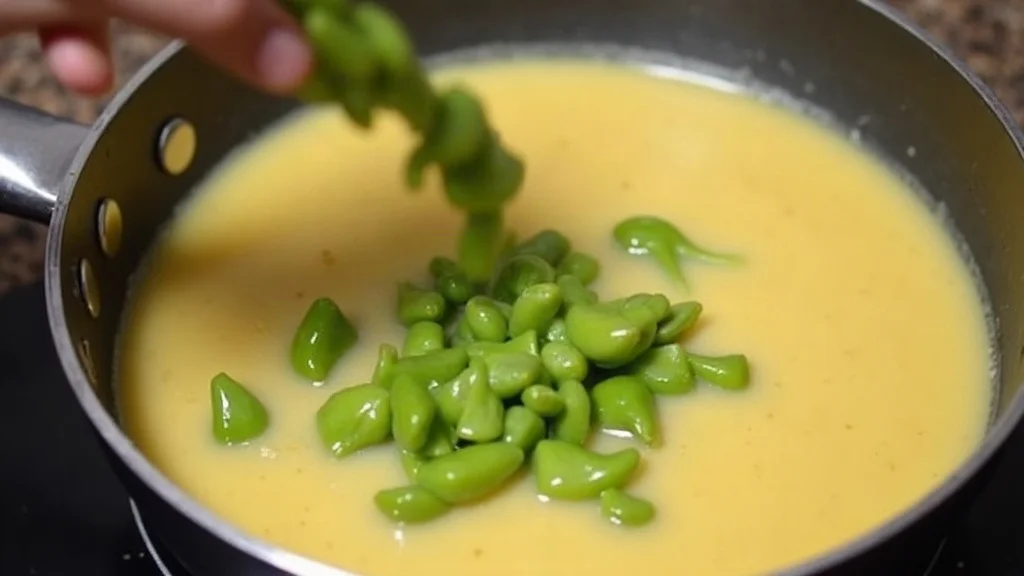
- The Loroco Addition: Fold in the loroco buds during the final 3 to 5 minutes of simmering. Adding them at the end preserves their delicate aroma and prevents the buds from becoming mushy.
Phase 4: The Final Marriage
- Combining: Return the seared chicken and any accumulated juices from the plate back into the sauce.
- Reducing: Simmer uncovered for another 5 minutes, allowing the sauce to thicken slightly and the chicken to warm through. Taste and adjust seasoning. If using jarred loroco, you may need less salt.
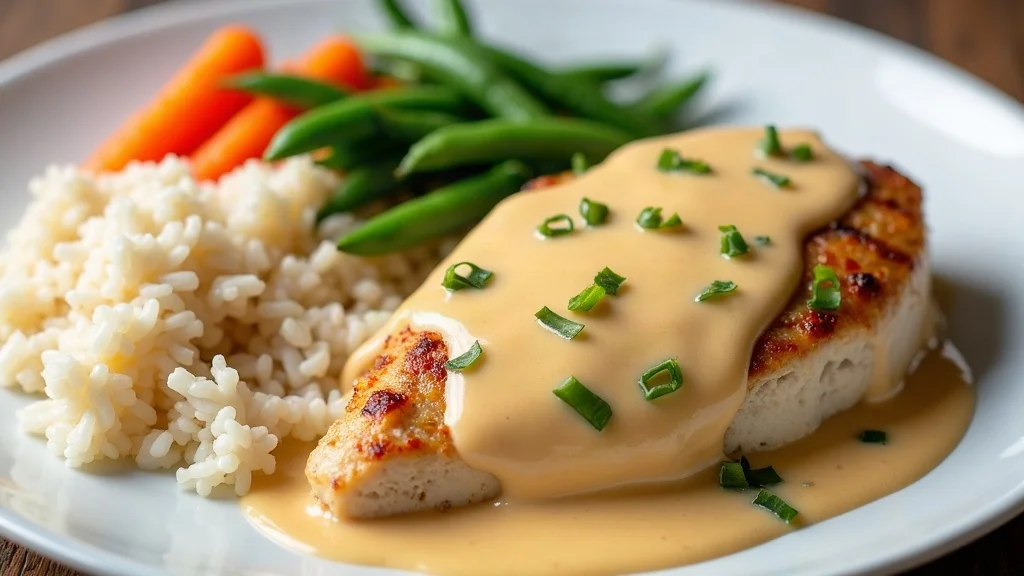
To elevate this dish from a simple meal to a professional culinary experience, pay close attention to the presentation and the accompanying elements.
The Art of Presentation
Pollo en Crema y Loroco should be served in a shallow bowl to allow the cream sauce to pool around the chicken. Garnish with a sprinkle of fresh parsley or a few reserved loroco buds for visual contrast. The sauce should have the consistency of a heavy nap—thick enough to coat the back of a spoon, but fluid enough to soak into the rice.
Traditional Accompaniments
In Guatemala, this dish is rarely eaten alone. To provide a balanced meal, serve with:
- Arroz Blanco: Long-grain white rice steamed with a hint of garlic. The neutral flavor of the rice acts as a canvas for the rich sauce.
- Tortillas: Warm, hand-pressed corn tortillas are essential for scooping up the remaining sauce.
- Ensalada: A simple side of sliced cucumbers, radishes, and tomatoes with lime juice and salt provides a necessary acidic crunch to cut through the richness of the cream.
Beverage Pairings
For a non-alcoholic pairing, a cold horchata (rice and cinnamon milk drink) complements the creaminess. For those seeking a wine pairing, a lightly oaked Chardonnay or a crisp Viognier works best, as these wines possess the buttery notes and floral aromatics that mirror the loroco.
Storage and Reheating
Refrigeration: Store leftovers in an airtight container for up to 3 days. Because of the dairy content, ensure the dish is cooled quickly before refrigerating.
Reheating: To avoid the sauce breaking, do not microwave on high. Instead, reheat in a small saucepan over low heat. If the sauce has thickened too much in the fridge, stir in a tablespoon of milk or chicken broth to restore the original silkiness.
Freezing: While the chicken freezes well, cream-based sauces can sometimes grain or separate upon thawing. If you must freeze, do so for no more than a month and reheat very gently over a double boiler.
Nutrition Note
Nutrition varies by brand and preparation; values are approximate. This dish is rich in protein and fats due to the cream and chicken thighs. To lighten the dish, one may substitute the cream with a mixture of Greek yogurt and a splash of broth, though this will alter the authentic flavor profile of traditional guatemalan food.
How to Source Ingredients in the USA
US Supermarket Equivalents: Primary staple ingredients for traditional guatemalan food are readily available at major American grocers such as Walmart, Kroger, Trader Joe's, and Whole Foods. Heirloom dried chiles and specialty produce can be found at local Latin American markets or ordered through online specialty grocers.
Frequently Asked Questions
What makes authentic Guatemalan traditional guatemalan food distinctive?
Authentic Guatemalan traditional guatemalan food is defined by its complex recado sauce architecture, highlighting toasted seeds and native aromatics rather than sharp chili heat.
Can this recipe be prepared in advance?
Yes, preparing the recado base or simmering stews 24 hours ahead enhances the depth of flavors significantly as the toasted spices meld together.
What are the best side dishes to serve alongside?
Traditionally enjoyed with warm handmade corn tortillas, fresh white rice, sliced avocado, and refried black beans.
Craving Authentic Guatemalan Cuisine Near You in the USA?
Explore our nationwide directory of verified Guatemalan restaurants, bakeries, and food trucks across all 50 states.
Find Guatemalan Restaurants Near You →If you want to see other articles similar to Pollo en Crema y Loroco: Authentic Guatemalan Chicken Recipe you can visit the category Dishes.