
Subanik: Guatemala's Sacred Ceremonial Three-Meat Stew
AI Quick Summary: Subanik represents an authentic cornerstone of Guatemalan gastronomy, celebrated for its harmonious balance of ancestral Mayan spices, aromatic recado bases, and rich slow-cooked comfort.
- The Soul of the Highlands: An Introduction to Subanik
- Mayan Roots and Cultural Heritage in Guatemala
- Core Ingredients and US Kitchen Equivalents
-
Step-by-Step Culinary Masterclass
- Step 1: Pre-cooking the Proteins
- Step 2: The Art of the Roast
- Step 3: Developing the Recado
- Step 4: Thickening and Balancing
- Step 5: The Leaf-Lined Steam
- Step 6: The Slow Simmer
- Texture and Consistency
- Traditional Accompaniments
- Beverage Pairings
- Storage and Reheating
- How to Source Ingredients in the USA
- Frequently Asked Questions
- Craving Authentic Guatemalan Cuisine Near You in the USA?
The Soul of the Highlands: An Introduction to Subanik
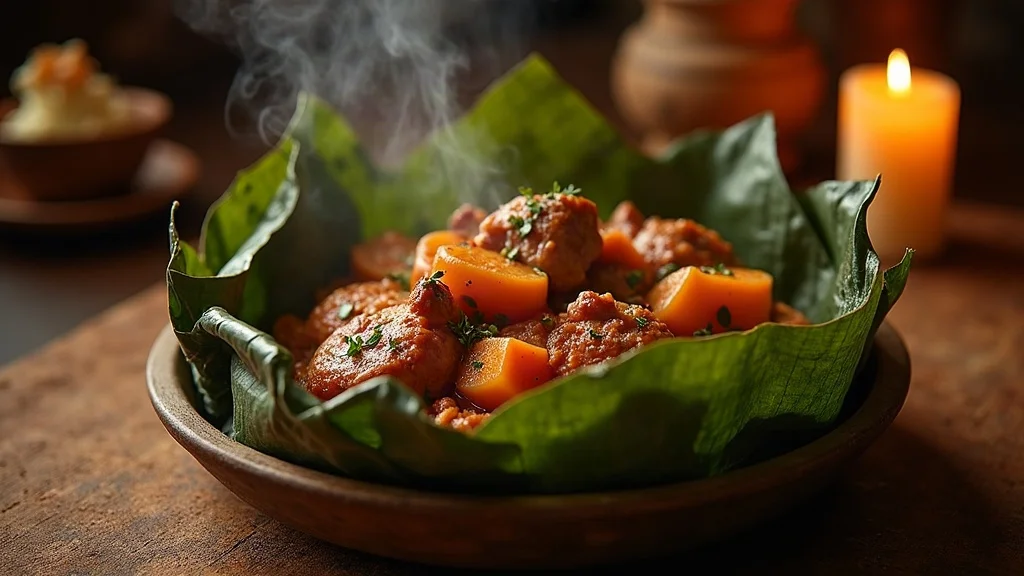
To experience Subanik is to taste the very geography and spirituality of Guatemala. More than a mere meal, Subanik is a ceremonial masterpiece—a slow-simmered, three-meat stew that serves as a cornerstone of traditional Guatemalan food. It is a dish defined by depth, both in flavor and in meaning. From the moment the pot is uncovered, the kitchen is filled with a heady, intoxicating aroma: the earthy scent of steamed banana leaves, the musk of roasted chiles, and the rich, savory perfume of slow-cooked proteins.
Sensory-wise, Subanik is a study in balance. The sauce, known as a recado, is thick and velvety, possessing a deep mahogany hue. It tastes of smoke and sun-dried earth, punctuated by the brightness of tomatillos and the subtle, floral warmth of achiote. The meats—typically a combination of chicken, pork, and beef—do not merely sit in the sauce; they absorb it, becoming tender enough to yield to the slightest pressure of a fork. Because of its labor-intensive nature and the prestige of its ingredients, Subanik is rarely a weekday occurrence. It is a festive anchor, reserved for weddings, religious holidays, and community feasts where food acts as the primary vehicle for social cohesion and ancestral remembrance.
Mayan Roots and Cultural Heritage in Guatemala
The origins of Subanik are deeply entwined with the Mayan civilizations that flourished in the highlands and lowlands of Mesoamerica. Long before the arrival of Spanish colonists, the indigenous peoples of the region mastered the art of the recado—a complex sauce base derived from seeds, nuts, and chiles. The technique of wrapping food in leaves to steam and preserve moisture is an ancestral practice, utilizing the native mashán leaves to impart a distinct, tea-like herbal note to the proteins.
During the colonial era, the dish evolved. The introduction of livestock from Europe—specifically pork and beef—merged with indigenous ingredients like corn (masa) and native chiles. This synthesis created the "three-meat" tradition that defines the modern version of the stew. This blend represents the blending of worlds: the ancient Mayan agricultural wisdom and the introduced proteins of the Spanish empire.
In contemporary Guatemala, Subanik remains a sacred link to the past. While dishes like Fiambre are the stars of All Saints' Day, Subanik holds a unique place in ceremonial Maya-inspired cooking. It is often prepared in large batches for community celebrations, where the act of preparing the recado becomes a communal ritual. The patience required to roast the vegetables and the precision needed to wrap the pot in leaves are seen as acts of devotion to the guests and the ancestors.
Core Ingredients and US Kitchen Equivalents
For the home cook in the United States, sourcing the exact ingredients for an authentic Subanik can be a challenge. However, the depth of flavor can be replicated using high-quality substitutions found in Latin American markets or the international aisles of major supermarkets. The key is to prioritize the "ingredient hierarchy": always seek the ideal version, but accept the substitute if the flavor profile remains intact.
The Protein Base
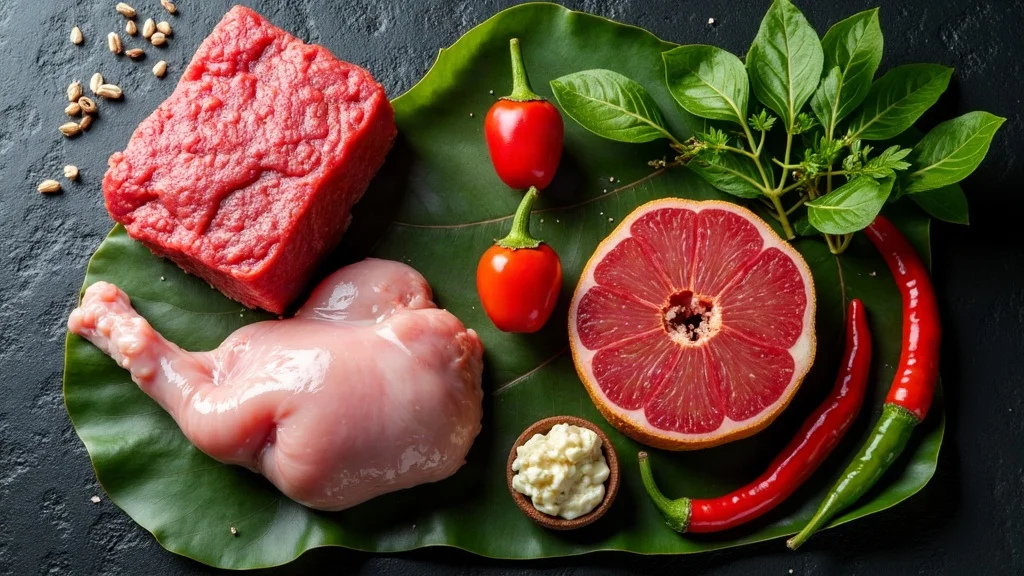
Traditional Subanik uses a trio of meats. Ensure they are cut into uniform 1.5-inch chunks for even cooking.
- Beef: 1 lb (450g) chuck roast or stew meat.
- Pork: 1 lb (450g) pork shoulder (butt).
- Chicken: 1 lb (450g) bone-in thighs or breasts.
The Recado (Sauce) Components
| Ideal Ingredient | US Supermarket Substitution | Measurement (Imp/Metric) |
|---|---|---|
| Dried Guajillo/Pasilla Chiles | Dried Ancho or New Mexico Chiles | 6 pieces (approx. 2 oz / 60g) |
| Miltomates | Fresh Tomatillos (husked) | 4 medium (approx. 12 oz / 340g) |
| Plum Tomatoes | Roma Tomatoes | 4 medium (approx. 16 oz / 450g) |
| White Onion | Yellow or White Onion | 1 large (approx. 8 oz / 225g) |
| Garlic | Fresh Garlic Cloves | 6 cloves (approx. 20g) |
| Achiote (Annatto) | Achiote Paste or Powder | 1 tbsp paste (15g) |
| Masa Harina | Maseca or Corn Masa Flour | 2 tbsp (15-20g) |
Aromatics and Wrapping
- Leaves: Mashán leaves are ideal; however, frozen banana leaves are the gold standard for US cooks. (1 large package).
- Liquid: 4 to 6 cups (950ml to 1.4L) of beef or chicken broth.
- Herbs: 2 bay leaves and 4-6 sprigs of fresh thyme.
- Seasoning: Kosher salt and cracked black pepper to taste.
Step-by-Step Culinary Masterclass
Preparing Subanik is an exercise in patience and layering. The goal is to build a complex flavor profile where no single ingredient dominates, but all contribute to a rich, earthy harmony.
Step 1: Pre-cooking the Proteins
Begin by placing the beef, pork, and chicken in a large pot. Cover with water and add a generous pinch of salt. Bring to a simmer over medium heat for approximately 30 to 40 minutes. We are not fully cooking the meat here; we are parboiling them to remove impurities and ensure they are tender enough to finish in the recado without overcooking the vegetables.
Step 2: The Art of the Roast
The secret to a professional-grade recado is the char. In a heavy cast-iron skillet or under a broiler, roast the tomatoes, tomatillos, onion, and garlic. You are looking for blackened skins and softened flesh. This caramelization provides the smoky depth that distinguishes traditional Guatemalan food from generic stews. Once charred, remove the stems from the chiles and lightly toast them for 30 seconds per side—be careful not to burn them, as burnt chiles turn bitter.
Step 3: Developing the Recado
Place the toasted chiles in a bowl of hot (not boiling) water and soak for 15 minutes. This rehydration ensures a silky texture. In a high-speed blender, combine the soaked chiles, roasted vegetables, achiote paste, and 2 cups of the broth. Blend on high until completely smooth. For a truly ceremonial texture, pass the sauce through a fine-mesh sieve to remove any remaining seeds or skin fragments.
Step 4: Thickening and Balancing
In a small bowl, whisk the masa harina with a small amount of broth to create a slurry. Slowly stir this into the blended recado over low heat. The sauce should be thick enough to coat the back of a spoon but fluid enough to simmer. Season with salt and pepper, tasting for a balance of acidity (from the tomatillos) and earthiness (from the chiles).
Step 5: The Leaf-Lined Steam
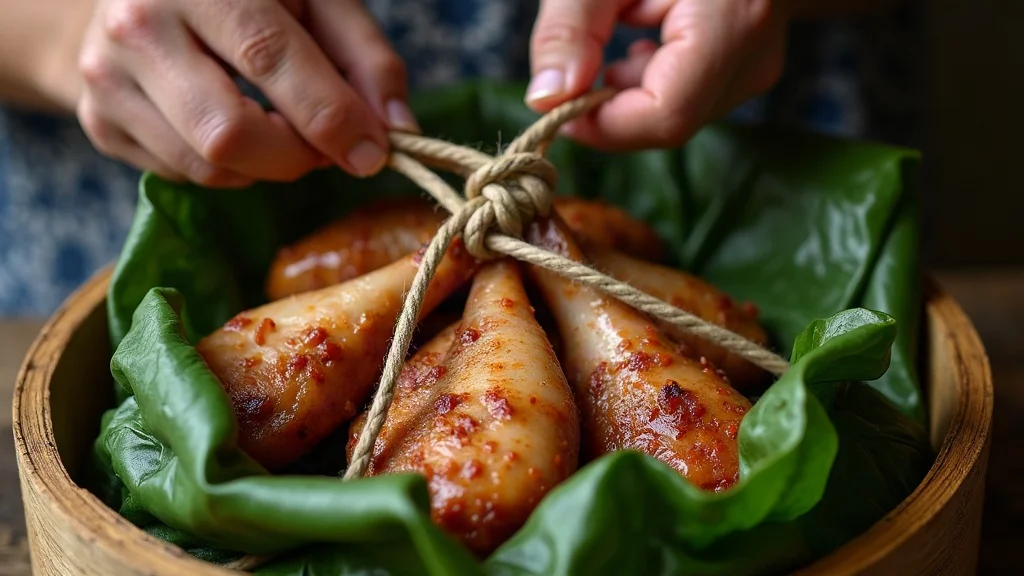
Prepare your pot by lining the bottom and sides with banana leaves, overlapping them to create a waterproof, aromatic seal. Place the parboiled meats in the center. Pour the rich recado over the meats until they are completely submerged. Tuck the bay leaves and thyme sprigs into the sauce. Finally, cover the top of the stew with more banana leaves, folding the edges tightly to trap the steam.
Step 6: The Slow Simmer
Cover the pot with a tight-fitting lid and simmer on low heat for 1.5 to 2 hours. The banana leaves act as a pressure cooker, steaming the meats in the recado. The result is meat that is succulent and infused with the herbal essence of the leaves.
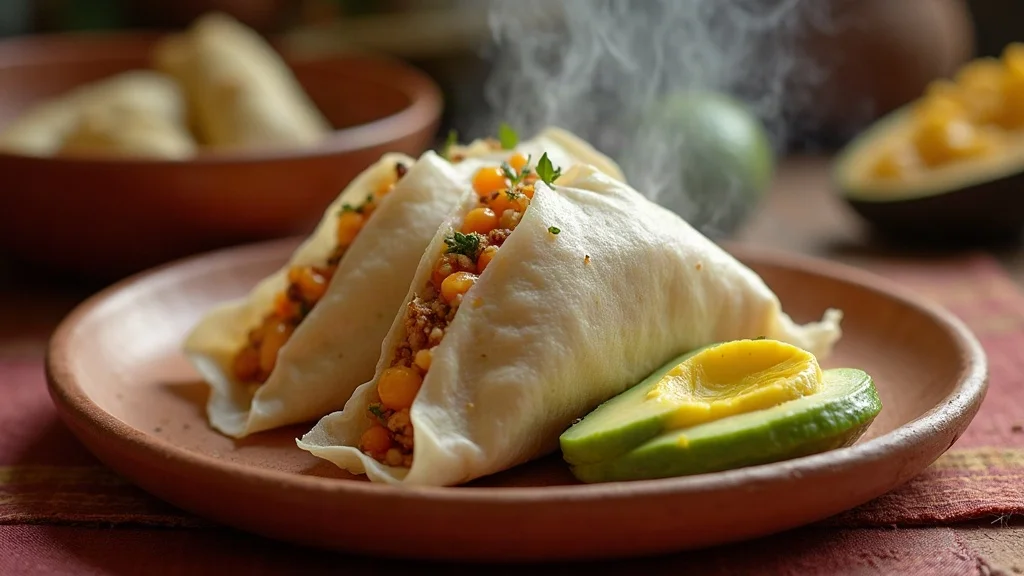
To elevate Subanik from a home-cooked meal to a restaurant-quality experience, pay close attention to the finishing touches and the accompanying elements.
Texture and Consistency
If you find the sauce is too thin toward the end of cooking, do not add more masa harina directly to the pot, as this can create lumps. Instead, remove a cup of sauce, whisk in a teaspoon of masa, and stir it back in. The final consistency should be a heavy cream—thick, luxurious, and clinging to the meat.
Traditional Accompaniments
Subanik is a rich, heavy dish that requires brightness and neutrality to balance the palate. Serve it with:
- White Rice: Steamed long-grain white rice provides a neutral base to soak up the extra recado.
- Warm Tortillas: Thick, hand-pressed corn tortillas are essential for scooping the stew.
- Pickled Vegetables: A side of curtido or vegetables en escabeche (carrots, onions, and jalapeños pickled in vinegar) cuts through the richness of the three meats.
Beverage Pairings
For a non-alcoholic pairing, a cold Horchata (rice and cinnamon drink) complements the spice of the chiles. For those seeking a wine pairing, a medium-bodied red with low tannins, such as a Grenache or a youthful Tempranillo, pairs well with the earthy tones of the achiote and the smokiness of the roasted vegetables.
Storage and Reheating
Like most complex stews, Subanik tastes even better the following day as the flavors continue to meld. Store in an airtight container in the refrigerator for up to 4 days. To reheat, do so slowly on the stovetop over low heat, adding a splash of broth if the sauce has thickened too much during refrigeration. While the banana leaves are essential for the initial cooking process, they can be removed before storage.
For freezing, Subanik can be stored for up to 3 months. However, be aware that the masa harina may cause the sauce to separate slightly upon thawing. A vigorous stir and a low-simmer reheat will restore the original emulsion.
How to Source Ingredients in the USA
US Supermarket Equivalents: Primary staple ingredients for traditional guatemalan food are readily available at major American grocers such as Walmart, Kroger, Trader Joe's, and Whole Foods. Heirloom dried chiles and specialty produce can be found at local Latin American markets or ordered through online specialty grocers.
Frequently Asked Questions
What makes authentic Guatemalan traditional guatemalan food distinctive?
Authentic Guatemalan traditional guatemalan food is defined by its complex recado sauce architecture, highlighting toasted seeds and native aromatics rather than sharp chili heat.
Can this recipe be prepared in advance?
Yes, preparing the recado base or simmering stews 24 hours ahead enhances the depth of flavors significantly as the toasted spices meld together.
What are the best side dishes to serve alongside?
Traditionally enjoyed with warm handmade corn tortillas, fresh white rice, sliced avocado, and refried black beans.
Craving Authentic Guatemalan Cuisine Near You in the USA?
Explore our nationwide directory of verified Guatemalan restaurants, bakeries, and food trucks across all 50 states.
Find Guatemalan Restaurants Near You →If you want to see other articles similar to Subanik: Guatemala's Sacred Ceremonial Three-Meat Stew you can visit the category Dishes.