
Authentic Guatemalan Pepián: The Mayan Stew of Roasted Spices
AI Quick Summary: Authentic Guatemalan Pepián represents an authentic cornerstone of Guatemalan gastronomy, celebrated for its harmonious balance of ancestral Mayan spices, aromatic recado bases, and rich slow-cooked comfort.
The Ancestral Mastery of Authentic Pepián Guatemalteco
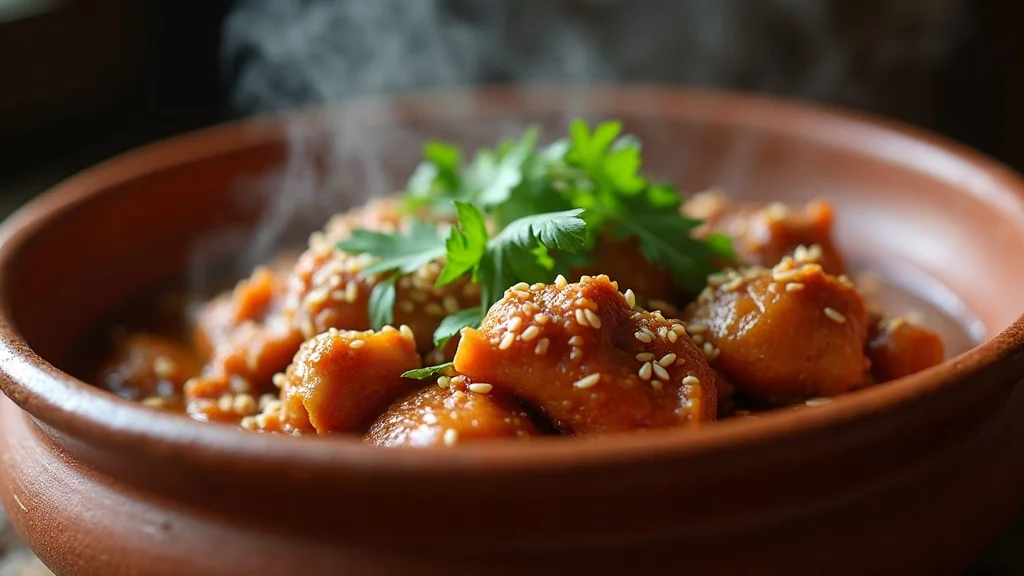
Universally recognized as Guatemala's undisputed national dish, rich pepian guatemalteco (pepian de pollo guatemala) features tender chicken or beef simmered in a dark, complex recado thickened with charred roma tomatoes, toasted pumpkin seeds, and sesame seeds. To encounter a bowl of authentic Pepián is to experience the edible history of Guatemala. This is not merely a stew; it is a complex, aromatic symphony of roasted seeds, charred vegetables, and slow-simmered proteins that defines the Guatemalan culinary identity. Often heralded as the national dish, Pepián is a masterclass in the balance of earthiness, acidity, and subtle heat, offering a sensory profile that is simultaneously rustic and sophisticated.
The first thing one notices is the aroma—a deep, toasted scent of sesame and pumpkin seeds mingled with the smoky whisper of dried chiles and the sweetness of charred onions. Visually, the stew is a rich, mahogany-brown velvet, clinging to tender pieces of chicken or beef. On the palate, it delivers a layered progression of flavors: the initial nuttiness of the pepitoria (pumpkin seeds), followed by the bright tang of tomatoes and tomatillos, and finishing with a warming, lingering spice that glows rather than burns.
For those exploring pepián guatemalan food for the first time, it is important to understand that this dish represents the heart of the Guatemalan home. Whether served at a celebratory wedding, a solemn religious festival, or a quiet Sunday family gathering, Pepián is the gold standard of comfort food in Central America, blending ancient indigenous wisdom with the ingredients of the New World.
Mayan Roots & Cultural Heritage in Guatemala
The origins of Pepián are as layered as its sauce. Culinary historians often describe the dish as a living bridge between two eras. Its foundation is undeniably Mayan; the use of toasted seeds, chiles, and corn-based thickeners has been a staple of indigenous Mesoamerican diets for millennia. The Mayans perfected the art of the comal (a flat clay griddle), using it to unlock the volatile oils in seeds and spices—a technique that remains central to Pepián today.
However, the dish we recognize today is also a product of the 16th-century colonial fusion. With the arrival of the Spanish came new ingredients: cinnamon, cloves, and livestock such as chicken, pork, and beef. The resulting synthesis created a sophisticated "mestizo" cuisine. Pepián evolved within this cultural crossroads, absorbing European aromatics while retaining its Mayan structural integrity.
Beyond the ingredients, Pepián holds a sacred place in the Guatemalan cultural calendar. It is frequently associated with the cofradía (religious brotherhoods) and is a cornerstone of ceremonial meals. It plays a vital role during the celebrations of All Saints’ Day, often appearing alongside Fiambre, the traditional cold salad of the holiday. In these contexts, the preparation of Pepián is often a communal act, with generations of women passing down family-specific ratios of seeds and chiles, ensuring that the ancestral flavors remain intact.
Core Ingredients & US Kitchen Equivalents
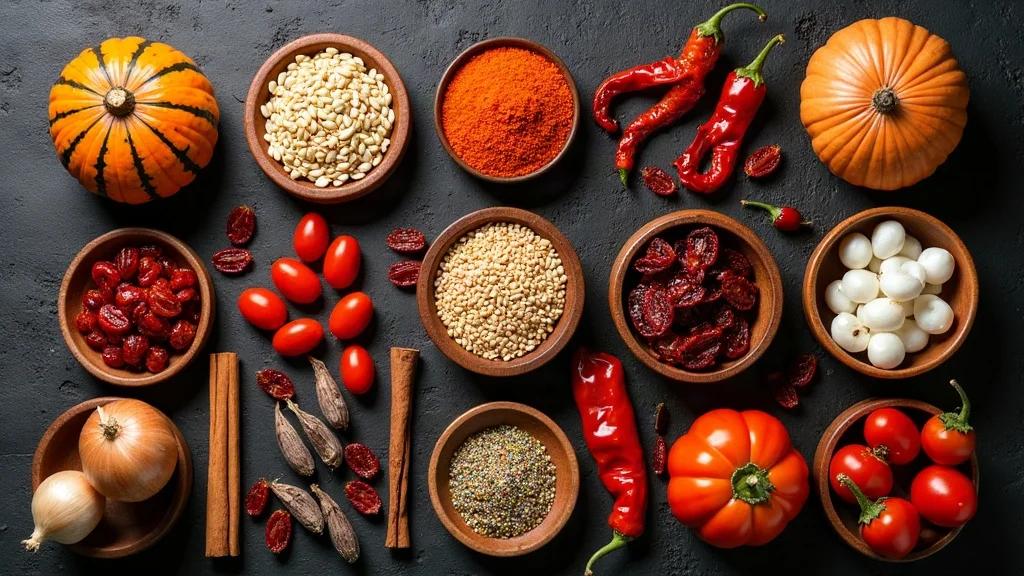
One of the greatest challenges for the home cook in the United States is sourcing the specific chiles and seeds required for an authentic profile. However, with a few strategic substitutions from Latin markets or mainstream supermarkets, a professional-grade Pepián is entirely achievable.
The Protein and Base
- Chicken or Beef: 3 lbs (1.36 kg) of bone-in chicken thighs or beef chuck roast, cut into large chunks.
- Water/Broth: 6 to 8 cups (1.4 to 1.9 liters) of salted water or low-sodium beef/chicken broth.
- Salt: 2 tbsp (30 g) kosher salt, or to taste.
The Roasted Sauce (The Recaudo)
The soul of the dish lies in the recaudo, the thick blended sauce. The following measurements ensure a rich consistency for 6 to 8 servings.
| Traditional Ingredient | US Supermarket Substitute | Imperial Measurement | Metric Measurement |
|---|---|---|---|
| Pepitoria (Pumpkin Seeds) | Raw Pepitas (unsalted) | 1/2 cup | 60 g |
| Sesame Seeds | White Sesame Seeds | 1/4 cup | 35 g |
| Chile Guaque/Pasa | Guajillo or Ancho Chiles | 4 to 6 dried pods | Approx. 30 g |
| Tomatoes | Roma Tomatoes | 4 medium | 300 g |
| Tomatillos | Husk Tomatoes (Fresh) | 3 medium | 200 g |
| White Onion | Yellow Onion | 1 medium, quartered | 150 g |
| Garlic | Fresh Garlic Cloves | 4 to 6 cloves | 20 g |
| Corn Tortilla | Corn Tortilla or Masa Harina | 1 toasted tortilla | 25 g |
| Cinnamon Stick | Ceylon Cinnamon | 1 small piece (2 inch) | 3 g |
Pro Tip: If you cannot find tomatillos, substitute them with an additional tomato and a squeeze of fresh lime juice at the end of cooking to replicate the signature acidity.
Step-by-Step Culinary Masterclass
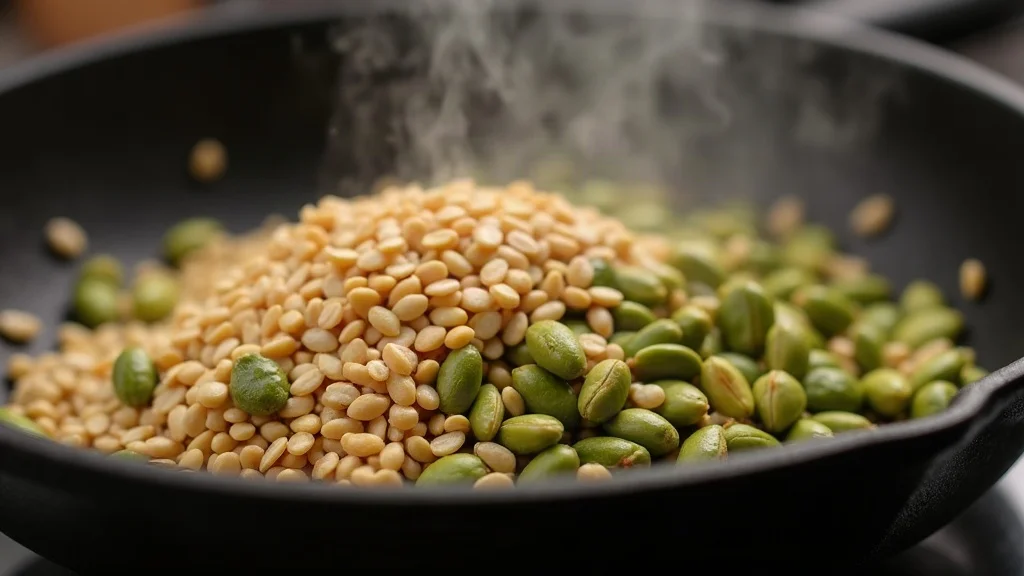
Achieving an authentic Pepián requires patience. The key is the tostado (toasting) process. Burning the ingredients will introduce a bitter note that cannot be removed; conversely, under-toasting will leave the sauce tasting raw. Use a medium-high heat and constant motion.
Phase 1: Preparing the Meat
- Place your chosen meat in a large heavy-bottomed pot or Dutch oven. Cover with salted water or broth.
- Bring to a boil, then reduce to a simmer. Cook until the meat is tender but not falling apart (approximately 45 to 60 minutes for chicken, longer for beef).
- Crucial: Do not discard the cooking liquid. This broth is gold; it contains the rendered fats and proteins that will emulsify with the sauce.
Phase 2: The Art of the Roast
- The Seeds: In a dry skillet or comal over medium heat, toast the sesame seeds and pumpkin seeds separately. Stir constantly until they are golden brown and fragrant. Remove immediately to a plate.
- The Spices: Briefly toast the cinnamon stick and dried chiles. For the chiles, toast them for only 30 to 60 seconds—just enough to release the aroma without scorching the skins.
- The Aromatics: In the same pan (or under a broiler), roast the tomatoes, tomatillos, onion, and garlic. Turn them occasionally until the skins are charred and blistered. This caramelization provides the depth of flavor characteristic of pepián guatemalan food.
Phase 3: Creating the Recaudo
- Rehydration: Place the toasted dried chiles in a bowl of hot water for 10 minutes to soften.
- Blending: In a high-powered blender or food processor, combine the toasted seeds, charred vegetables, rehydrated chiles, and the toasted corn tortilla.
- Liquid Integration: Add 2 cups of the reserved meat broth to the blender. Process until the mixture is a thick, smooth paste.
- Refining: For a professional, velvet-like texture, pass the blended sauce through a fine-mesh strainer into a bowl, using a spoon to push the solids through. This removes any remaining bits of chile skin or seed husks.
Phase 4: The Final Simmer
- Pour the strained sauce back into the pot with the meat and remaining broth.
- Stir well to integrate. Bring to a gentle simmer over medium-low heat.
- Allow the stew to cook for another 20 to 30 minutes. This is the "blooming" phase where the toasted seeds and chiles meld with the meat. The sauce should thicken naturally; if it becomes too thick, add a splash more broth.
- Taste and adjust salt. The flavors should be balanced: earthy, smoky, and slightly tangy.
Chef Secrets: Texture, Pairings & Storage
To elevate your Pepián from a home-cooked meal to a restaurant-quality experience, focus on the accompaniments and the final presentation. The contrast of temperatures and textures is what makes the dish complete.
The Essential Pairings
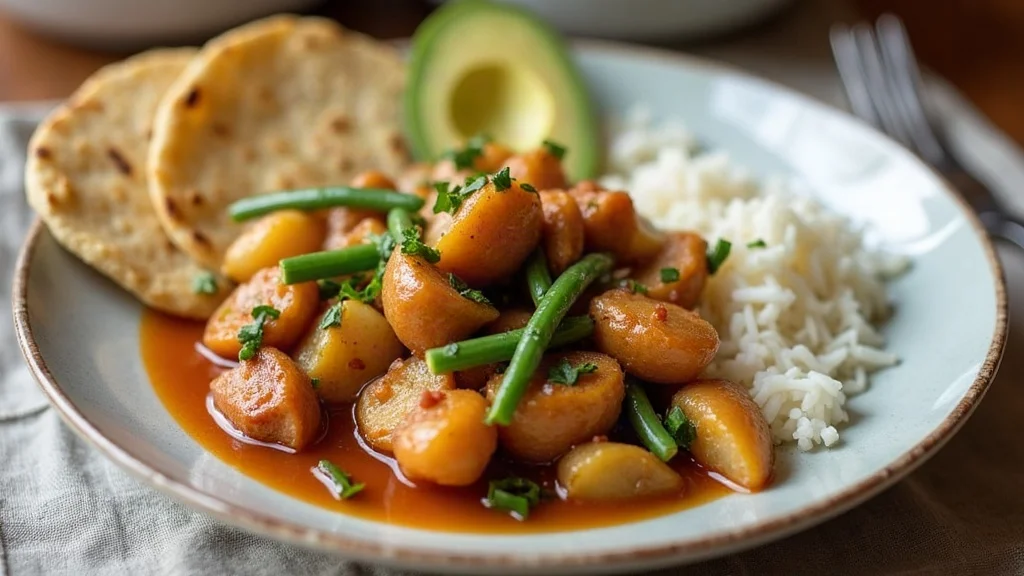
Pepián is never served alone. To be authentic, it must be accompanied by:
- Steamed White Rice: A neutral base to soak up the rich sauce.
- Warm Corn Tortillas: Essential for scooping the stew.
- En Escabeche: Pickled carrots, onions, and cauliflower. The sharp acidity of the vinegar cuts through the richness of the toasted seeds.
- Fresh Avocado: Slices of ripe avocado provide a creamy contrast to the smoky heat.
Beverage Pairings
For a traditional experience, serve Pepián with a cold Horchata (a creamy rice and cinnamon drink) to soothe the palate. For those preferring alcoholic pairings, a crisp, acidic white wine like a Sauvignon Blanc or a light-bodied red such as a Pinot Noir complements the earthiness of the seeds without overpowering the sauce.
Storage and Reheating
Like most stews, Pepián tastes even better the following day as the flavors continue to mature.
- Refrigeration: Store in an airtight container for up to 4 days.
- Freezing: Pepián freezes remarkably well. Store for up to 3 months. When reheating, add a small amount of water or broth to loosen the sauce, as the seeds may cause it to thicken further during the freezing process.
- Reheating Technique: Avoid the microwave if possible. Reheat slowly on a stovetop over low heat to prevent the sauce from separating.
Final Professional Note on Texture
If your sauce feels too "grainy," it is likely due to the seeds. The secret of the elite Guatemalan chef is the double-strain method—straining once after blending and once more after the first 10 minutes of simmering. This ensures a luxurious mouthfeel that distinguishes a masterwork from a simple home stew. By following these rigorous steps, you bring a piece of Guatemalan heritage into your kitchen, honoring the Mayan legacy with every spoonful.
How to Source Ingredients in the USA
US Supermarket Equivalents: Primary staple ingredients for pepian guatemalan food are readily available at major American grocers such as Walmart, Kroger, Trader Joe's, and Whole Foods. Heirloom dried chiles and specialty produce can be found at local Latin American markets or ordered through online specialty grocers.
Frequently Asked Questions
Q: What gives pepian guatemalteco its signature smoky flavor?
A: The distinctive depth of pepian guatemalteco comes from charring the ingredients on a hot dry comal—especially the tomatoes, onions, garlic, dried chiles, and toasted pepitoria seeds—before blending into a velvety recado.
What makes authentic Guatemalan pepian guatemalan food distinctive?
Authentic Guatemalan pepian guatemalan food is defined by its complex recado sauce architecture, highlighting toasted seeds and native aromatics rather than sharp chili heat.
Can this recipe be prepared in advance?
Yes, preparing the recado base or simmering stews 24 hours ahead enhances the depth of flavors significantly as the toasted spices meld together.
What are the best side dishes to serve alongside?
Traditionally enjoyed with warm handmade corn tortillas, fresh white rice, sliced avocado, and refried black beans.
Craving Authentic Guatemalan Cuisine Near You in the USA?
Explore our nationwide directory of verified Guatemalan restaurants, bakeries, and food trucks across all 50 states.
If you want to see other articles similar to Authentic Guatemalan Pepián: The Mayan Stew of Roasted Spices you can visit the category Dishes.