
Caldo de Frutas Guatemala: The Legendary Artisanal Liquor of Salcajá
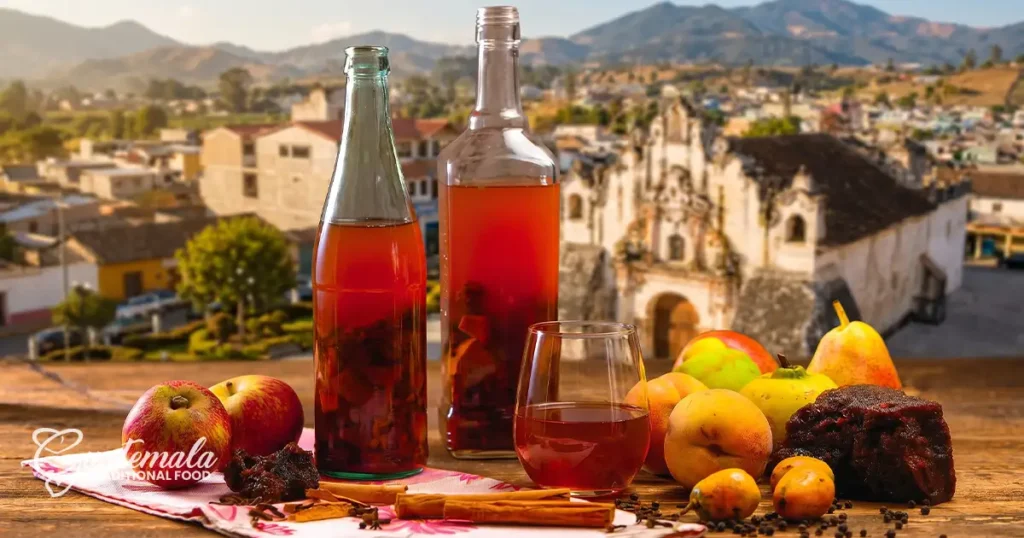
Welcome to Guatemala Food, and today we are going to talk about caldo de frutas guatemala, a mesmerizing spirit that represents the heart and soul of our highlands. If you have ever visited the vibrant municipality of Salcajá, you know that this fermented homemade liquor is not just a drink; it is a cultural treasure deeply woven into the identity of the Guatemalan people.
- What is Guatemalan Caldo de Frutas and What is its Origin?
- Key Ingredients of Guatemalan Caldo de Frutas
- How is it Prepared? The Art of Fermentation
- The Nostalgic Market: Is it Possible to Get it in the United States?
- Regulations for Importing Personal Alcohol to the US
- The First Festival of Caldo de Frutas in Salcajá
What is Guatemalan Caldo de Frutas and What is its Origin?
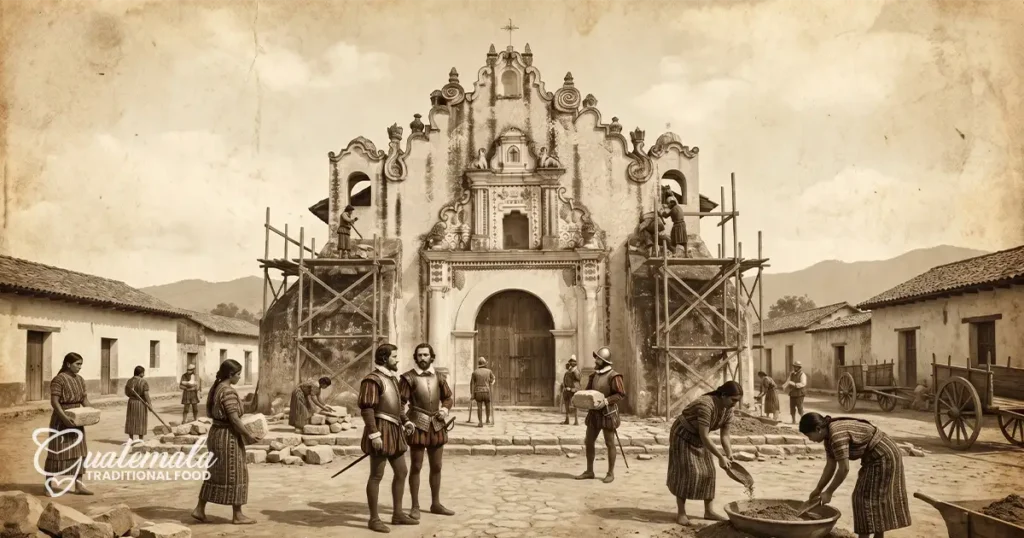
To truly appreciate this traditional beverage, we have to travel to Salcajá, located in the department of Quetzaltenango. The origins of this unique liquor trace back to the colonial era. When Spanish settlers arrived in Salcajá, they found it difficult to import their beloved wine. To satisfy their palate, they began fermenting local fruits, starting with the cerezo (local cherry), to create a similar liquor.
Over the decades, local producing families like the Alvarados and the Manriques perfected this craft, carrying on a legacy that spans over 116 years. They heavily rely on the solera method, an aging technique inspired by the sherry barrels brought from Spain. This ensures that every new batch carries a hint of the history from the ones that came before it.
Key Ingredients of Guatemalan Caldo de Frutas
If you are eager to understand the recipe or simply want to know what creates such a complex flavor profile, it all comes down to fresh, indigenous ingredients.
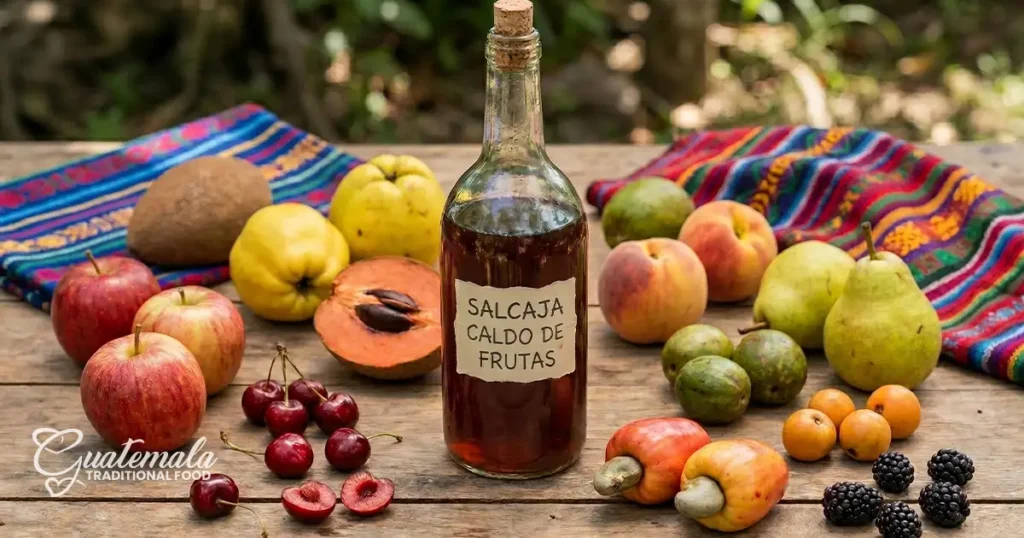
- The Fruits: The magic starts with a rich harvest of manzanas, cerezas, membrillo, mamey, durazno, pera, jocote, nance, marañón, and moras. Some families even craft tropical variations using mango, pineapple, and orange.
- The Alcoholic Base: Traditionally, the fruits are soaked in aguardiente or rum. In the past, this was often done using a clandestine, artisanal Maya distillate known as Cusha.
- The Almíbar (Syrup): To bring sweetness and balance, producers create a rich syrup using pure water, sugar or panela (unrefined whole cane sugar), canela (cinnamon), and a blend of aromatic spices.
How is it Prepared? The Art of Fermentation
Creating this beverage is an exercise in patience and artisanal dedication, which makes it a fascinating subject for culinary tourists and curious foodies alike.
- Preparation: The fresh fruits are carefully washed, chopped into small pieces, and placed raw into traditional wooden barrels or large glass containers.
- Mixing: The raw fruit is then bathed in the sweet almíbar and the strong liquor.
- The Factor of Time: The most crucial ingredient is the resting or aging process. The barrels are left to ferment for a minimum of nine months to a full year. During this time, the alcohol level can concentrate up to 50%, extracting a potent essence from the fruit. Before serving, this strong essence is carefully diluted with natural juices to achieve the perfect balance.
The Nostalgic Market: Is it Possible to Get it in the United States?
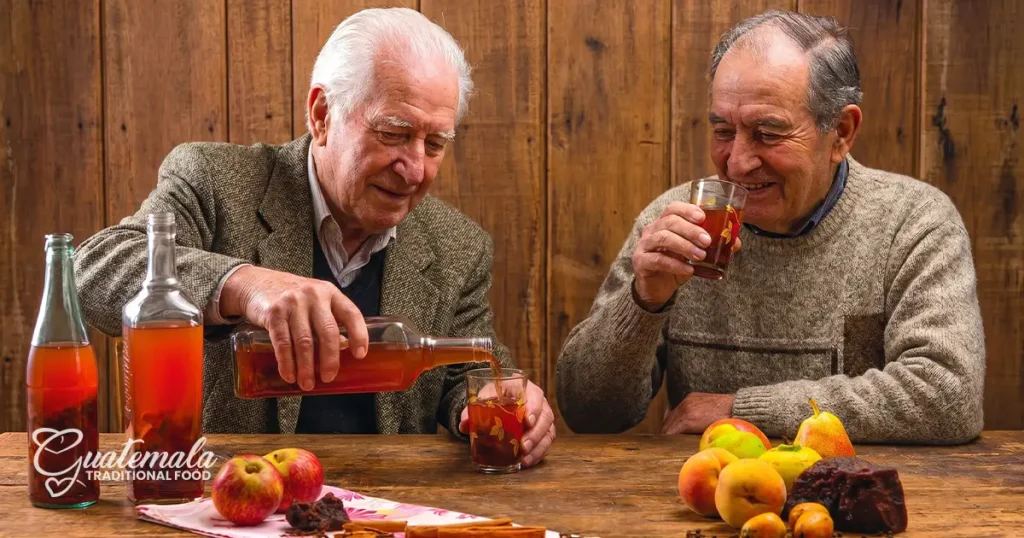
For the massive community of Guatemalans living in cities like Miami, Florida, the taste of this Salcajá specialty evokes an incredibly strong sense of nostalgia. It is a taste of home, culture, and tradition.
Because of this longing, visitors and tourists from the US frequently travel to Salcajá, tasting the liquor and eagerly asking for the recipe to replicate it back home. However, commercializing and exporting this nostalgic product requires partnering with reliable brands that uphold high sanitary and quality standards to ensure the authentic taste survives the journey.
Regulations for Importing Personal Alcohol to the US
If you are a traveler looking to bring a bottle back, or someone trying to send this cherished liquor to family in the US, it is vital to understand the logistics and laws:
- No Regular Mail: US postal laws strictly prohibit sending alcoholic beverages through regular mail (USPS).
- Use a Courier: You can ship alcohol via authorized courier services, but you must be prepared to pay the corresponding tariffs and federal IRS taxes.
- Age and Tariffs: The importer or traveler must be at least 21 years old. Keep in mind that tariffs vary based on the alcohol percentage per liter; strong liquors like this one typically incur higher taxes than standard beer or wine.
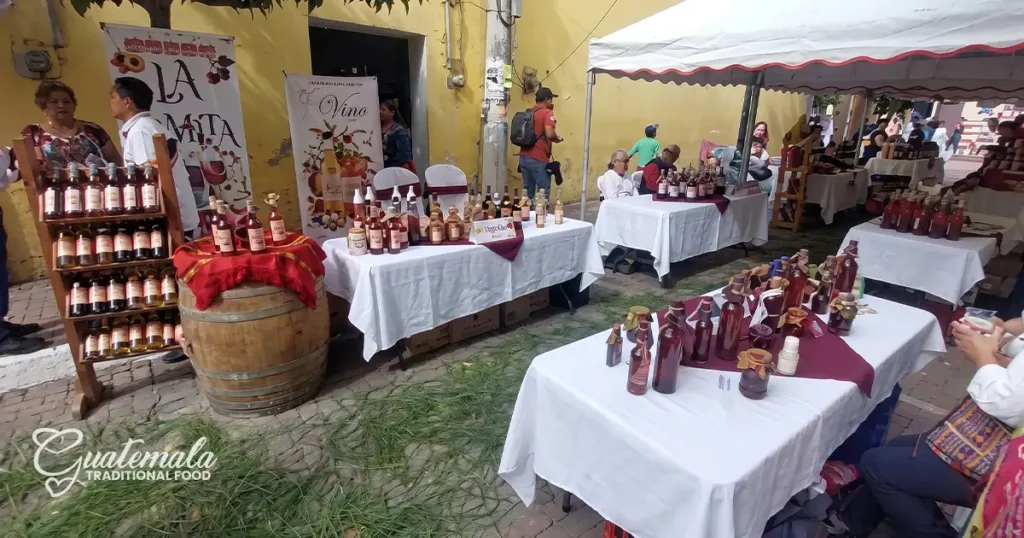
The First Festival of Caldo de Frutas in Salcajá
The love for this artisanal spirit continues to grow. In a beautiful display of local pride, the municipality of Salcajá celebrated the First Festival of Caldo de Frutas in August 2023. This vibrant event not only boosted local tourism but also officially recognized the beverage as a cultural heritage and the signature drink that distinguishes the warm inhabitants of this region.
Frequently Asked Questions about Caldo de Frutas
Is the caldo de frutas legal? While historically it was sometimes considered a clandestine liquor (especially when made with Cusha), today it is completely legal. In fact, there are ongoing efforts in Guatemala to modernize its production, ensuring that local artisans comply with Good Manufacturing Practices and obtain proper sanitary registries.
What does it taste like? It is a sweet, intensely spirituous liquor. Thanks to the minimum of a year of resting in the solera style, it boasts a deeply concentrated, rich fruit flavor with warm, spiced undertones.
If you want to see other articles similar to Caldo de Frutas Guatemala: The Legendary Artisanal Liquor of Salcajá you can visit the category Drinks.