
All About Pepian Guatemala: The Iconic National Dish and Its Ancestral Recipe
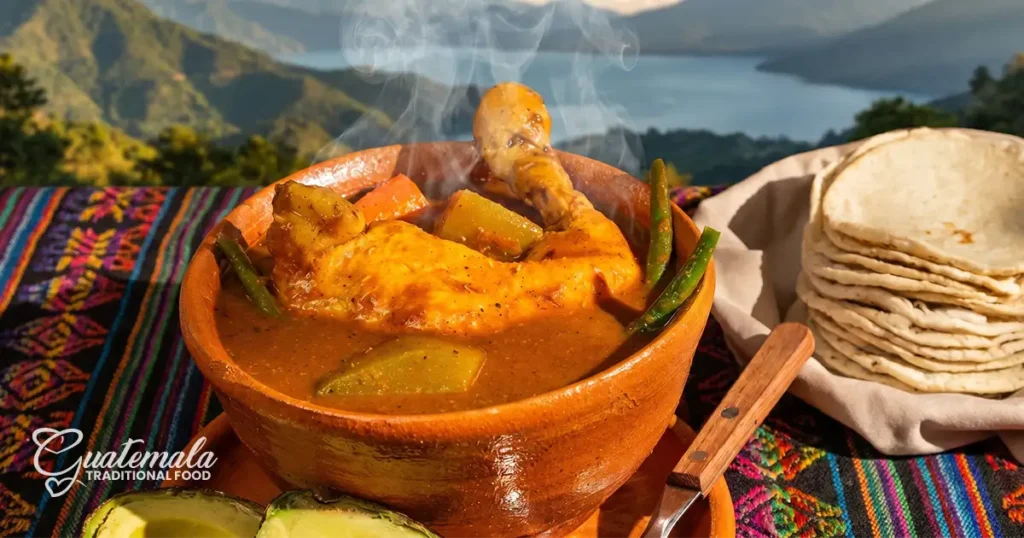
Welcome to Guatemala Food, and today we are going to talk about pepian guatemala, a dish that holds the heart and soul of our country's culinary heritage. If you want to experience the very best of pepian comida guatemalteca, you are in the right place. Known universally as the undisputed national dish, this thick, hearty meat stew is one of the oldest and most recognizable recipes in our kitchen.
Whether you find it bubbling in a large clay pot at a local street food stall or simmering on a family stove for Sunday lunch, the unmistakable roasted flavor of this pepian plato guatemalteco is pure comfort.
Origin and History of Pepián Guatemala
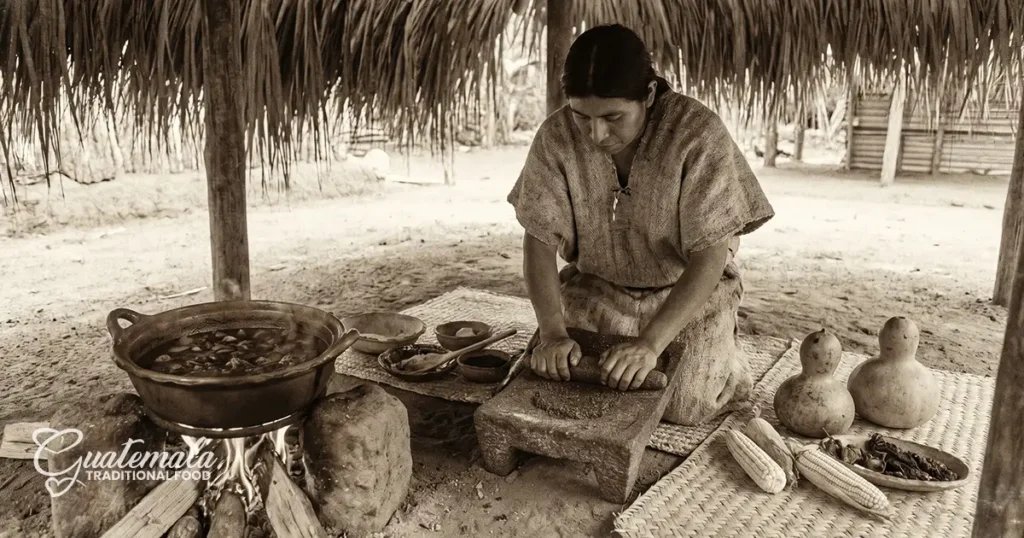
To understand this dish is to understand the history of the Maya people. The roots of traditional pepian guatemala go all the way back to the pre-Hispanic era. Over the centuries, it beautifully fused with Spanish colonial influences to become the culinary masterpiece it is today.
Originally, the pepian de guatemala was a highly ceremonial meal, consumed exclusively during grand festivities and special holidays. However, the flavors were simply too incredible to save for just a few days a year. Guatemalans fell deeply in love with it, transforming it into a beloved everyday staple. In our culinary world, we classify pepián as a recado, which is a rich, complex, and deeply spiced traditional sauce or curry.
Essential Ingredients of Authentic Pepián Guatemala
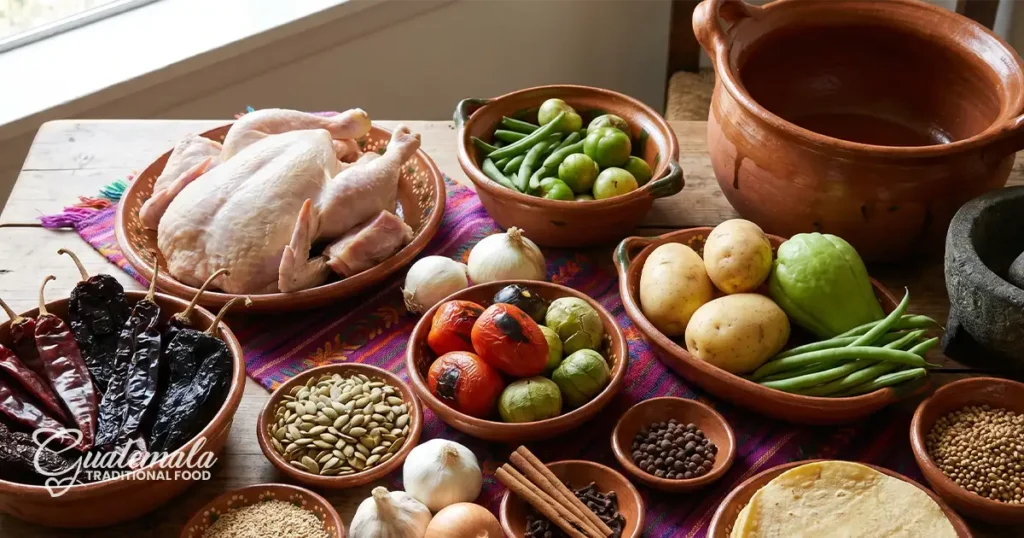
The secret to a perfect pepian guatemalan experience lies in the meticulous combination and roasting of its components. To make it easier for you to shop, we have divided the pepian guatemala ingredientes into four key categories:
Selecting the Protein
Traditionally, this stew can be prepared in different ways. The pepian guatemalteco de pollo (chicken) is the most common and accessible version for home cooks. However, in urban centers, a beef version—often made using beef ribs or stew meat—is a favorite for its rich, deep flavor. Regardless of the meat, it is the sauce that defines the dish.
The Heart of the Recado (The Seeds)
That signature nutty, toasted flavor comes from a careful blend of pepitas (pumpkin seeds) and ajonjolí (sesame seeds). These seeds are the soul of the guatemalan pepian de pollo. To thicken the rich broth and give it that velvety texture, we use toasted white bread or charred corn tortillas.
Roasted Vegetables and Spices
The character of the dish comes from the char. You will need a mix of dried chilies, specifically chile pasa, chile guaque (or guajillo), and chile de árbol. These are blended with roasted tomatillos, Roma tomatoes, garlic, white onion, and a stick of cinnamon to create a symphony of smoky notes.
Fresh Garden Vegetables
To make it a complete, hearty meal, the stew is packed with fresh produce. We traditionally include chunks of güisquil (chayote), carrots, ejotes (green beans), and potatoes, which soak up all the delicious juices of the recado.
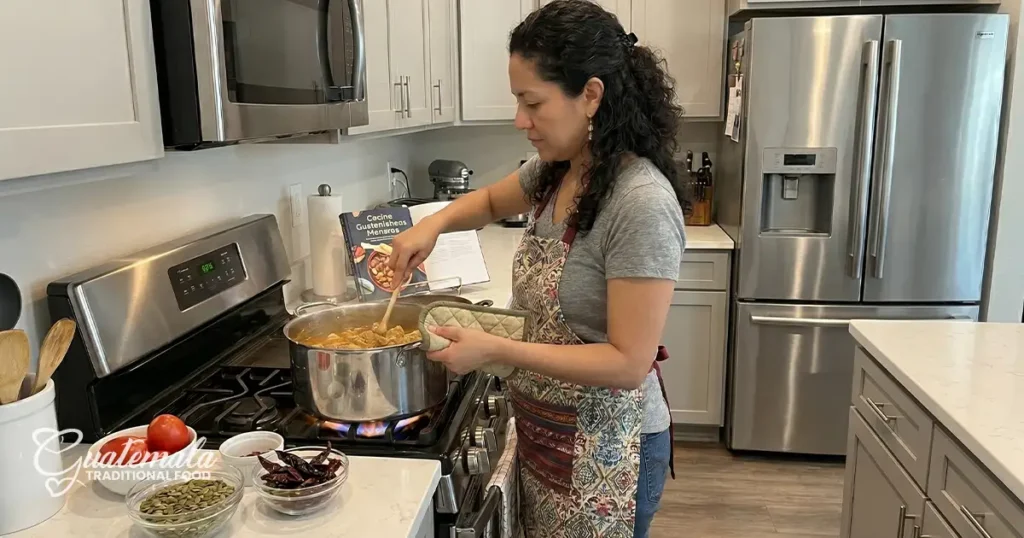
How to Prepare Pepián Guatemala Step-by-Step
Cooking this dish is a full sensory experience. The aroma of roasting spices will fill your entire home! Here is the classic process broken down for you:
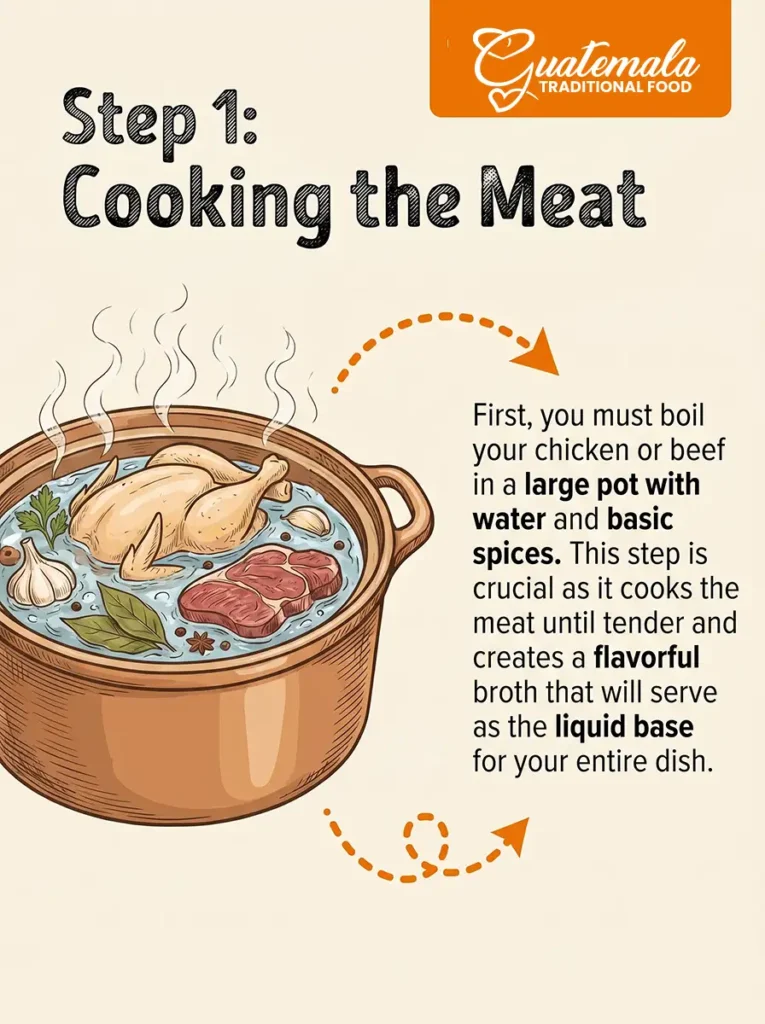
Step 1: Cooking the Meat
First, you must boil your chicken or beef in a large pot with water and basic spices. This step is crucial as it cooks the meat until tender and creates a flavorful broth that will serve as the liquid base for your entire dish.
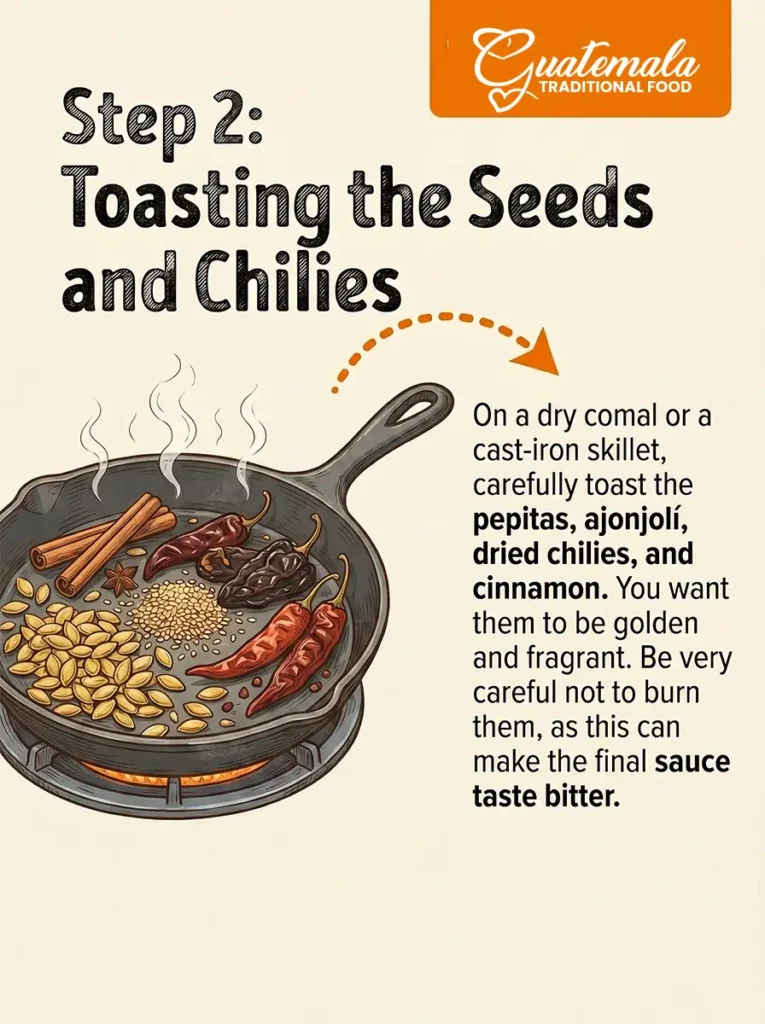
Step 2: Toasting the Seeds and Chilies
On a dry comal or a cast-iron skillet, carefully toast the pepitas, ajonjolí, dried chilies, and cinnamon. You want them to be golden and fragrant. Be very careful not to burn them, as this can make the final sauce taste bitter.
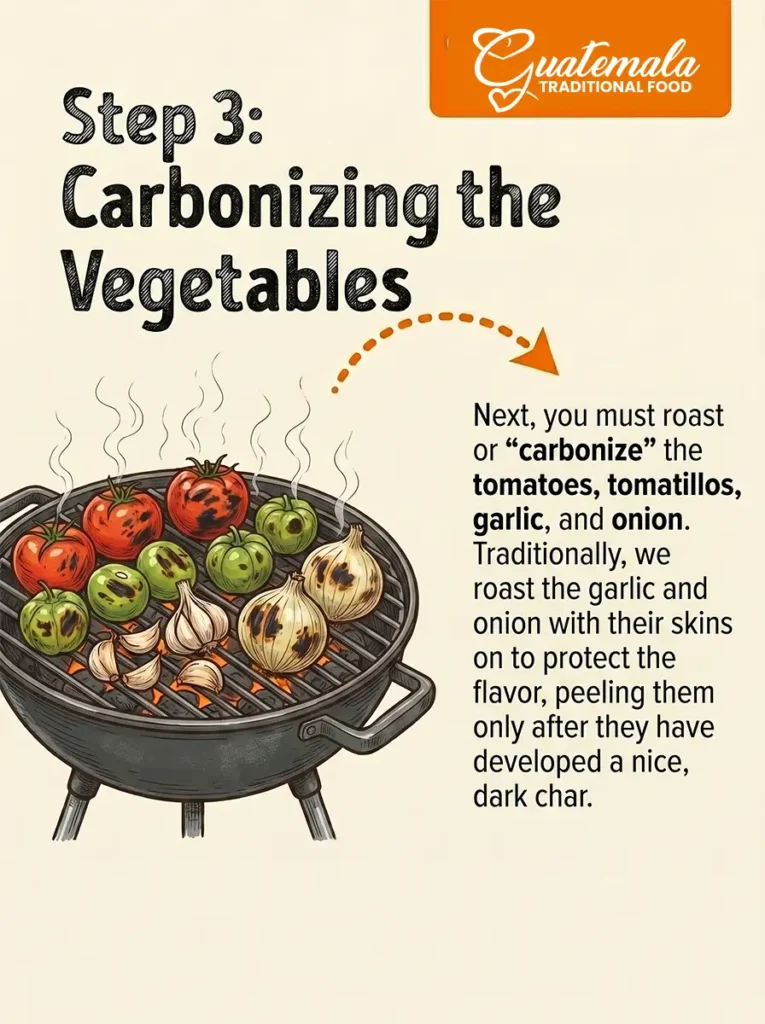
Step 3: Carbonizing the Vegetables
Next, you must roast or "carbonize" the tomatoes, tomatillos, garlic, and onion. Traditionally, we roast the garlic and onion with their skins on to protect the flavor, peeling them only after they have developed a nice, dark char.
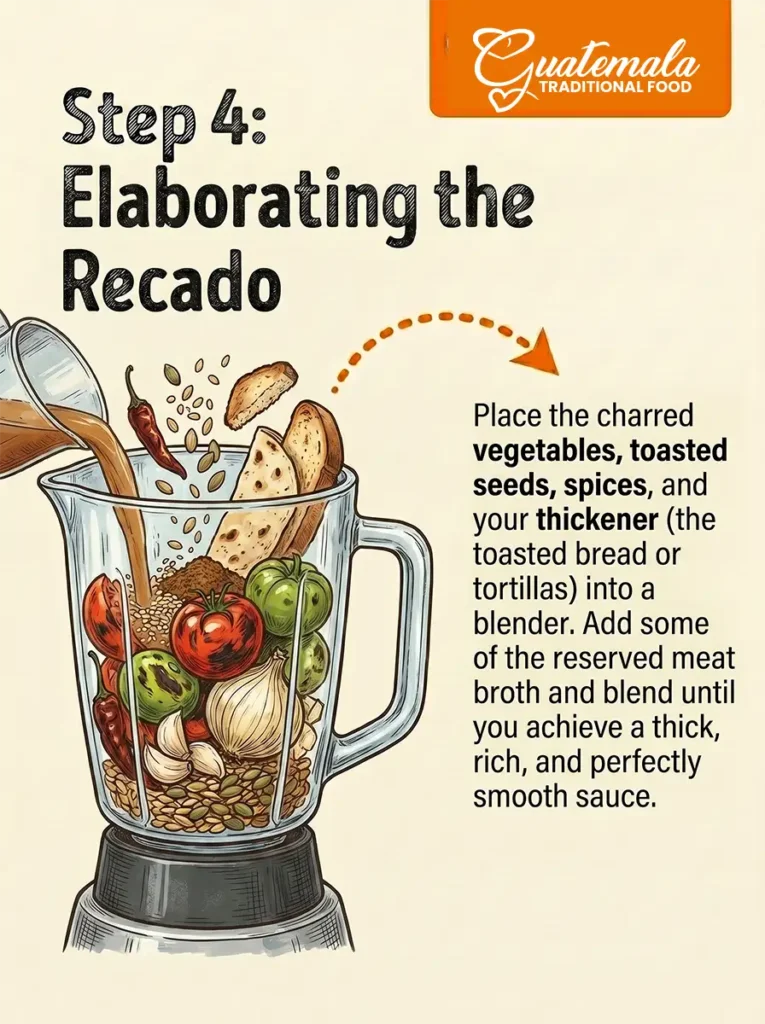
Step 4: Elaborating the Recado
Place the charred vegetables, toasted seeds, spices, and your thickener (the toasted bread or tortillas) into a blender. Add some of the reserved meat broth and blend until you achieve a thick, rich, and perfectly smooth sauce.
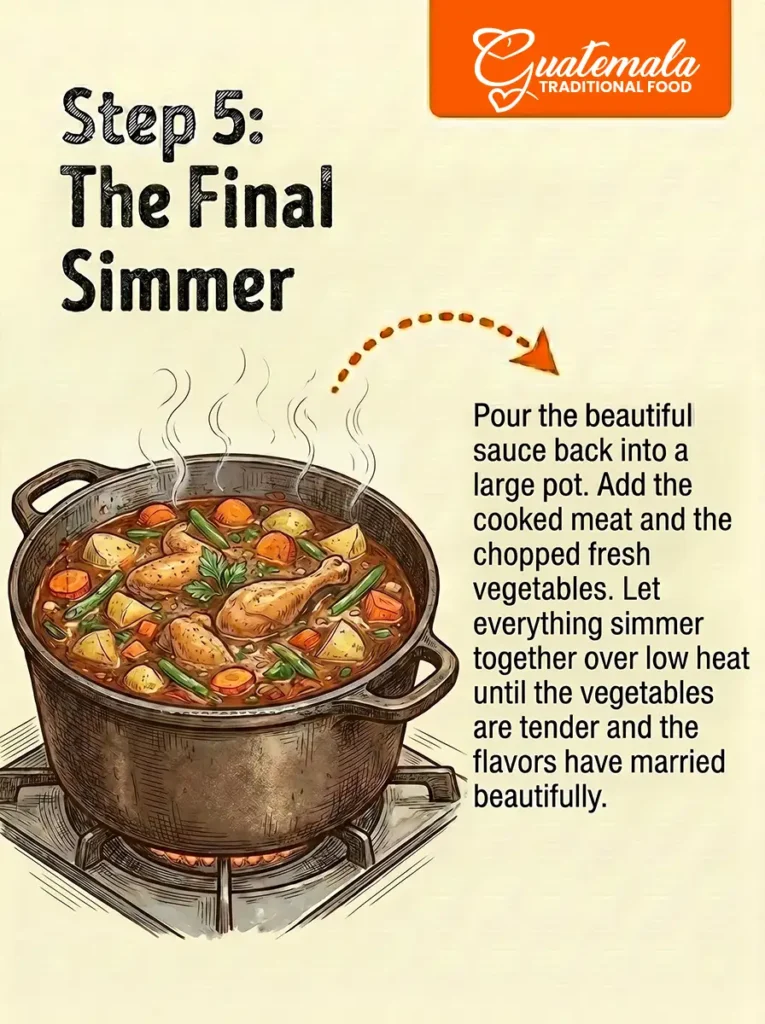
Step 5: The Final Simmer
Pour the beautiful sauce back into a large pot. Add the cooked meat and the chopped fresh vegetables. Let everything simmer together over low heat until the vegetables are tender and the flavors have married beautifully.
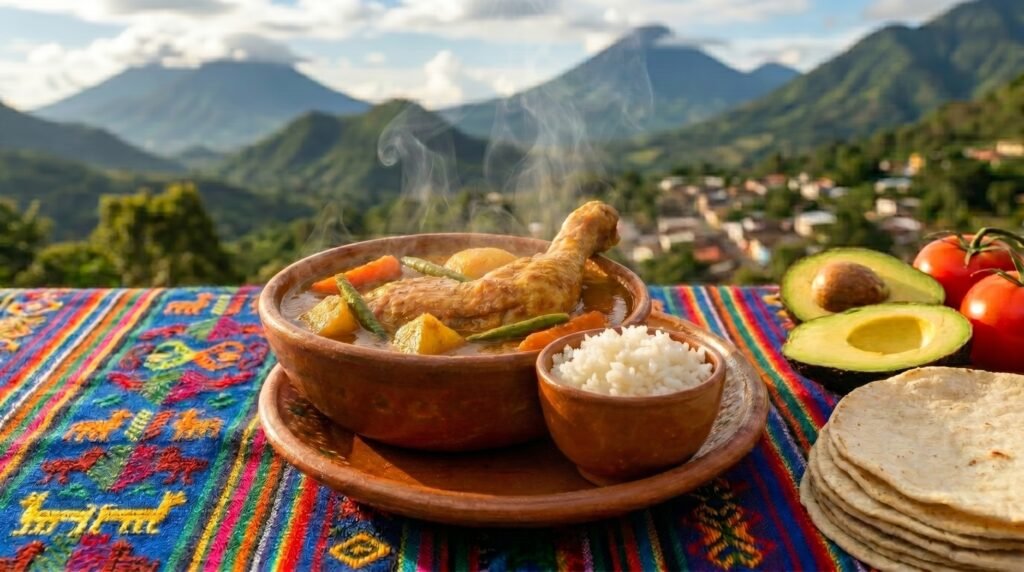
How is Pepián Traditionally Served?
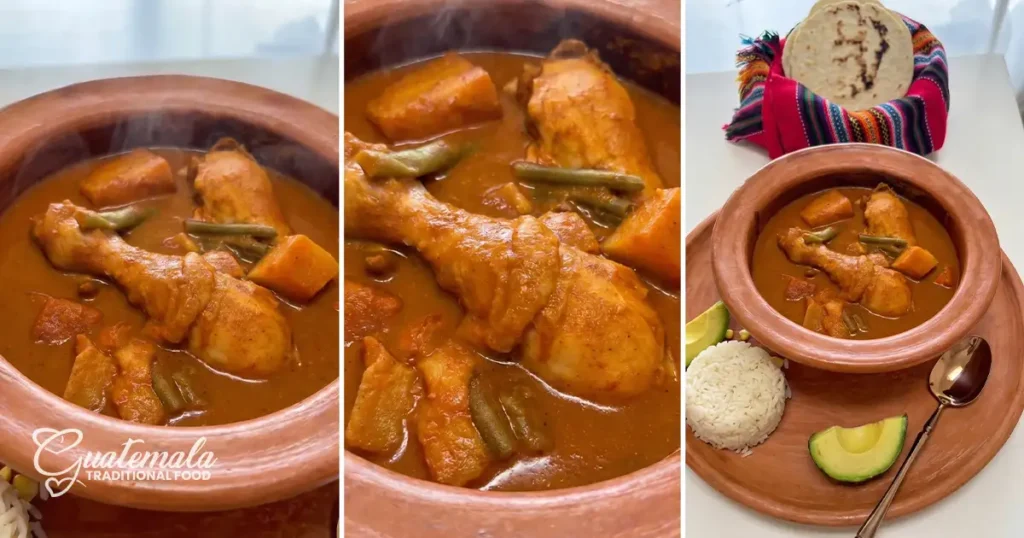
To serve it like a true chapín, ladle the steaming hot stew generously over a bed of fluffy white rice. For the perfect finishing touch, garnish your plate with a sprinkle of additional toasted ajonjolí and some freshly chopped cilantro.
Of course, no pepian guatemala experience is complete without a side of warm corn tortillas or traditional tamalitos (small corn tamales) to soak up every last drop of the amazing sauce.
Frequently Asked Questions (FAQ)
What is a recado in Guatemalan cooking? A recado is a traditional, thick, and complex sauce or stew base, usually made from roasted tomatoes, tomatillos, chilies, and thickened with seeds and toasted tortillas or bread. Pepián is the most famous and culturally significant type of recado.
Is Pepián spicy? Despite using several types of dried chilies, traditional pepián is very mild. The dried chilies (chile pasa and chile guaque) are utilized for their deep, smoky, and earthy flavor profiles rather than their heat.
Can I make it vegetarian? Absolutely. While chicken and beef are the traditional proteins, the recado itself is entirely plant-based. You can easily substitute the meat with vegetable broth and add extra hearty vegetables like mushrooms or zucchini.
Now we want to hear from you! Have you ever tried cooking this incredible national dish at home? Do you prefer the classic chicken version or a hearty beef pepián? Let us know in the comments below!
If you want to see other articles similar to All About Pepian Guatemala: The Iconic National Dish and Its Ancestral Recipe you can visit the category Dishes.