
Authentic Guatemalan Tamales Recipe: Tradition, Types, and Step-by-Step Guide
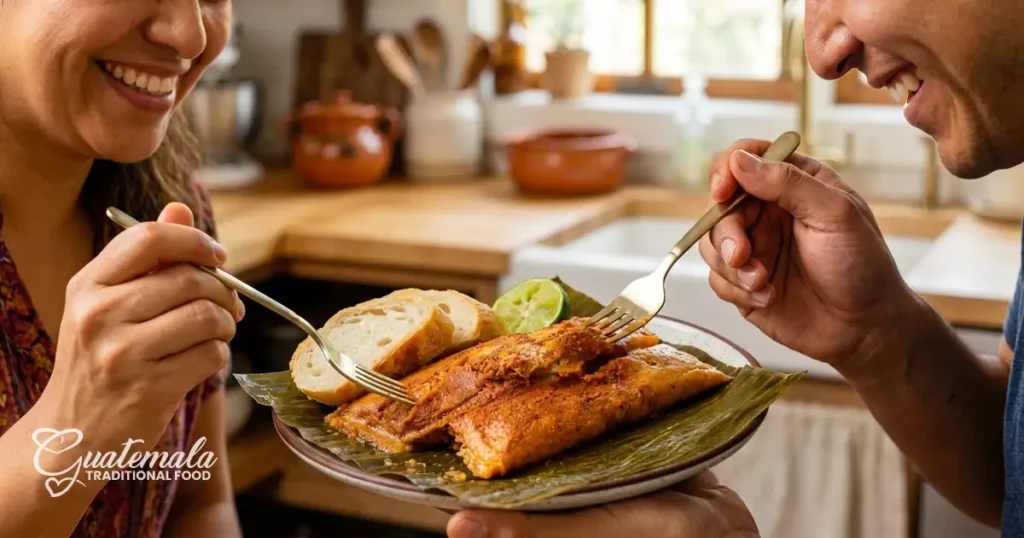
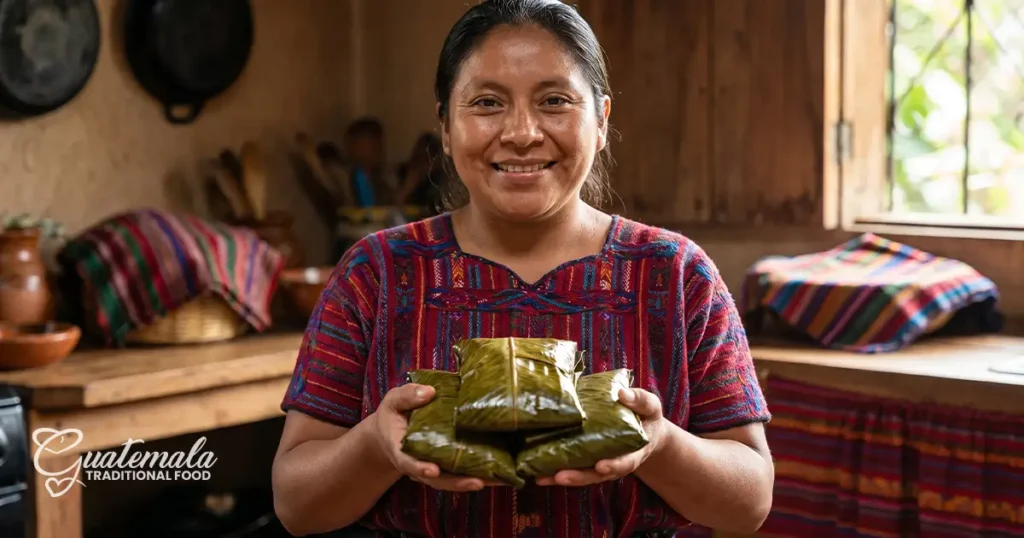
Welcome to Guatemala Food, and today we are going to talk about guatemala food tamales. If there is one dish that defines the soul of a Guatemalan home, it is the tamal. More than just a meal, it is a symbol of celebration, family gatherings, and the warm Saturday tamales tradition that every chapín carries in their heart, no matter where in the world they are.
In this guide, we’ll explore the rich variety of types of guatemalan tamales, their unique ingredients, and how you can recreate this ancestral magic in your own kitchen.
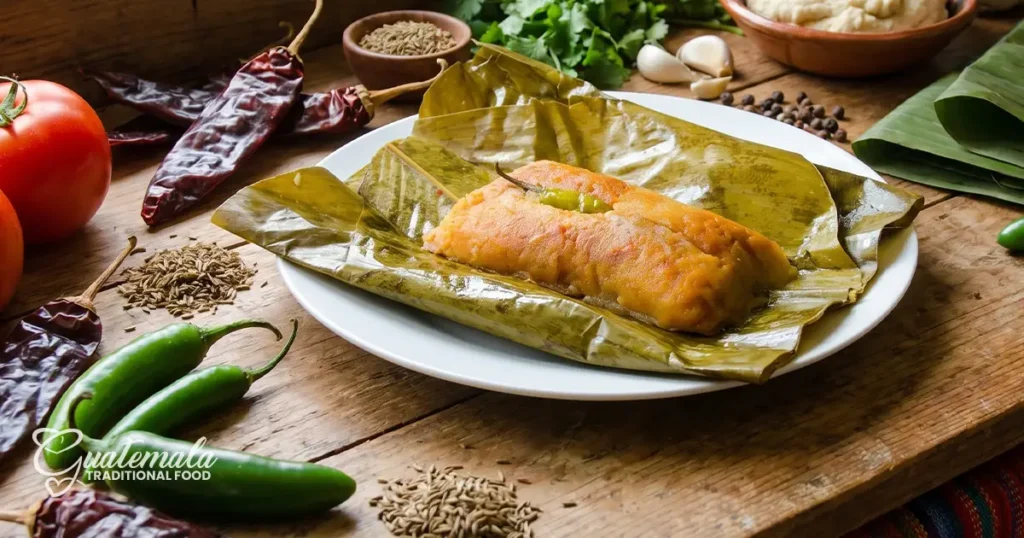
What are Guatemalan Tamales and Their Cultural Significance?
The tamal is considered a national dish in Guatemala, with roots stretching back to the ancient Maya civilization. Historically, they were food for kings and warriors, but today, they are the centerpiece of Christmas Eve (Nochebuena), New Year’s, and special family milestones.
While many cultures have corn-based dough wrapped in leaves, the Guatemalan version is distinguished by its size, its sophisticated recado (sauce), and its specific preparation methods that have been passed down through generations.
Guatemalan vs. Mexican Tamales: What’s the Difference?
For our friends in the United States, the most common reference for a tamal is the Mexican variety. However, guatemala food tamales have several distinct characteristics:
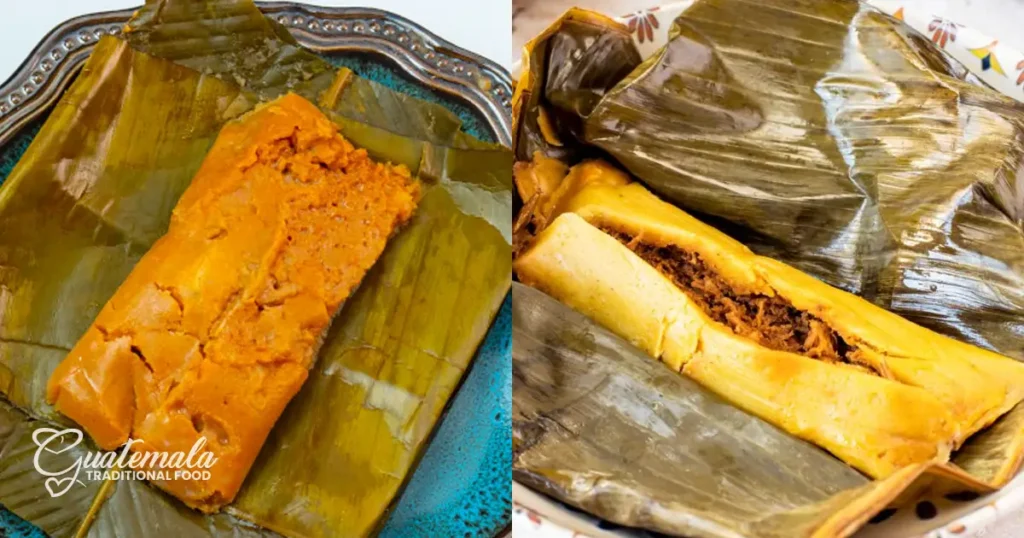
- The Wrapper: While Mexican tamales often use corn husks (tusa), Guatemalan tamales predominantly use hojas de plátano (banana leaves). These leaves impart a distinct, tea-like floral aroma and keep the tamal incredibly moist.
- The Size: A single Guatemalan tamal is often two or three times the size of a Mexican one.
- The Texture: Guatemalan dough undergoes a "double cooking" process. We cook the dough in a pot before wrapping it, resulting in a much silkier, smoother, and more humid texture.
- The Spice Level: Our traditional recado focuses on the deep flavors of roasted seeds and dried peppers like chile guaque and chile pasa, but it is generally not spicy.
Discover the Diverse Types of Guatemalan Tamales
Guatemala’s culinary landscape is diverse, and this is reflected in the many versions of tamales found across the country:
Tamales Colorados and Tamales Negros
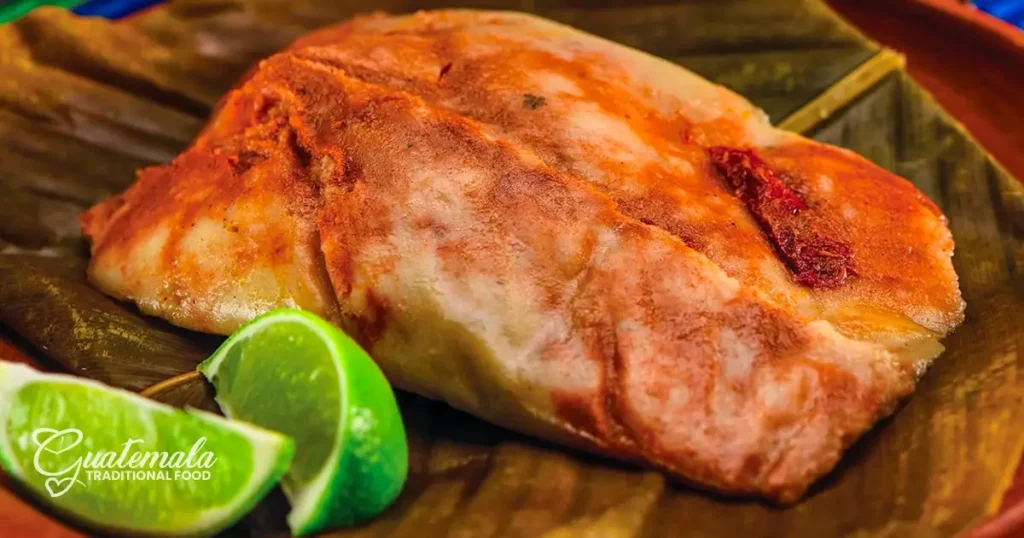
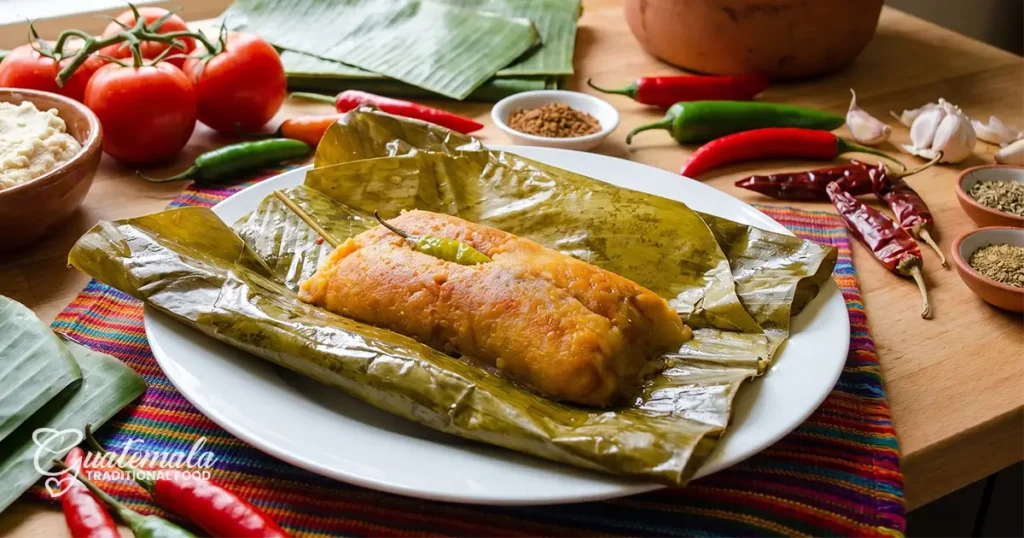
- Colorados: The most iconic version. Made with corn masa and a vibrant red sauce, stuffed with pork or chicken, olives, capers, and a strip of red bell pepper.
- Negros: A festive sweet-and-savory version. The sauce is darkened with chocolate and sweetened with sugar, garnished with raisins, prunes, and almonds.
Paches (Potato Tamales)
Hailing from Quetzaltenango (Xela), Paches are unique because the base isn't corn, but a smooth mashed potato mixed with breadcrumbs or corn flour. They have a soft, melt-in-your-mouth consistency.
Chuchitos and Tamalitos de Chipilín
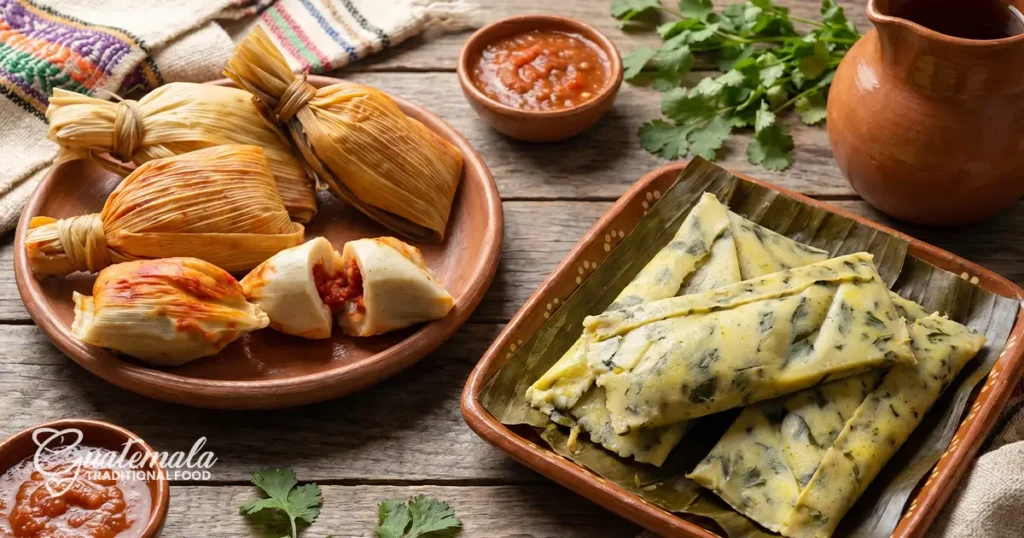
- Chuchitos: Smaller, firmer tamales wrapped in corn husks (tusa), perfect for a quick snack.
- Tamalitos de Chipilín: These contain no meat filling; instead, the leafy green chipilín herb is mixed directly into the dough, providing a wonderful earthy flavor.
Guatemalan Vegetarian Tamales
For those looking for plant-based options, guatemalan vegetarian tamales are often filled with seasoned black beans (known as tamalitos de frijol) or a variety of garden vegetables mixed with the traditional red recado.
How to Make Guatemalan Tamales: Step-by-Step
Preparing tamales is a labor of love. Many families split the work over two days: one day for the sauce and one for the assembly.
1. Guatemalan Tamales Ingredients
To get started, you will need:
- For the Masa: Corn masa flour, water, salt, and lard (or vegetable oil).
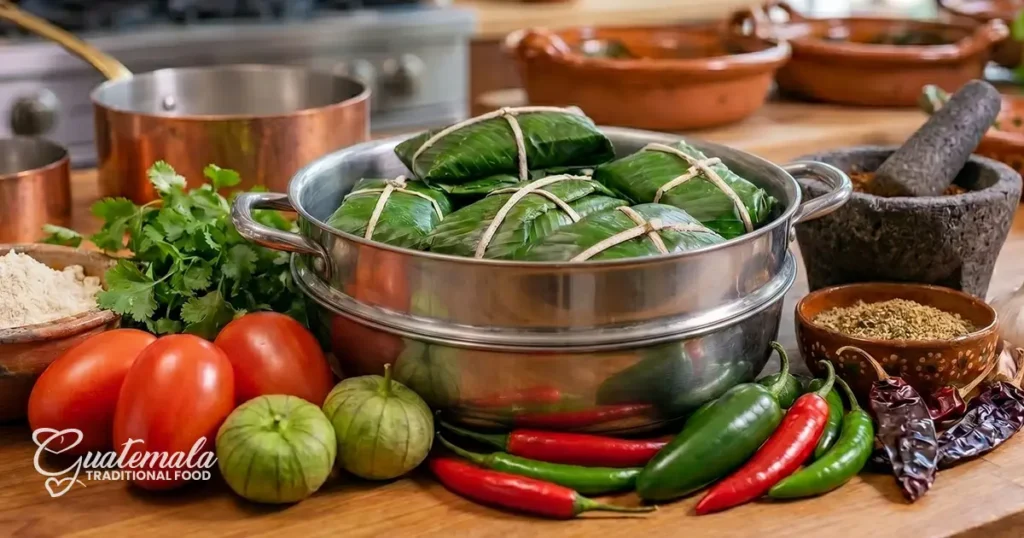
- For the Recado: Tomatoes, miltomate (tomatillos), chile guaque, chile pasa, sesame seeds (ajonjolí), and pumpkin seeds (pepitoria).
- The Filling: Pork or chicken pieces, olives, capers, and red bell peppers.
- The Wrap: Banana leaves and cibaque (fiber string) or kitchen twine.
2. Preparing the Recado (The Sauce)
Roast the tomatoes, chiles, and seeds until fragrant. Blend them into a smooth sauce and cook with a bit of fat until thickened. This sauce is the "heart" of the tamal.
3. Cooking the Masa
Mix the corn flour with water and cook in a large pot, stirring constantly. You want a thick, shiny, puree-like consistency. A common trick to check if it's ready: drop a spoonful into cold water; if it floats or holds its shape without dissolving, it’s perfect!
4. Assembly and Wrapping
Lay out a softened banana leaf, place a portion of masa, add a piece of raw meat (the long steaming process will cook it), a generous spoonful of recado, and the garnishes (olive, pepper). Fold into a rectangular package and tie securely.
5. Steaming
Place the tamales in a large steamer pot. Steam for about 1.5 to 2 hours. Ensure there is always water at the bottom of the pot to keep the steam going.
Practical Tips: Storage and Nutrition
How to Reheat Guatemalan Tamales
The best way to maintain the texture is to steam them for 10–15 minutes. If you are in a rush, you can microwave them inside their leaf for 2 minutes, though steaming is always preferred for that "just made" feel.
Guatemalan Tamales Nutrition Facts
Tamales are a hearty, energy-rich meal. A standard 250g tamal provides a good balance of carbohydrates from the corn/potato and protein from the meat. While traditionally made with lard for flavor, using vegetable oils can offer a lighter alternative.
Frequently Asked Questions (FAQ)
Where can I buy authentic Guatemalan tamales near me? If you are in the U.S., check local Guatemalan bakeries or "Tiendas" on Friday evenings or Saturday mornings. Many restaurants in cities like Los Angeles, Chicago, and Miami serve them specifically on weekends.
What is the difference between Guatemalan and Mexican tamales? The main differences are the wrapper (banana leaf vs. corn husk), the size (Guatemalan ones are larger), and the dough (Guatemalan dough is pre-cooked and smoother).
How do I steam Guatemalan paches? Paches are steamed just like corn tamales, but because the potato masa is more delicate, ensure they are wrapped tightly. Steam them for about 1.5 to 2 hours until the potato sets and the meat inside is fully cooked.
Can I use aluminum foil if I can't find banana leaves? Yes! While you will miss the herbal aroma of the leaf, you can wrap the tamal in parchment paper first and then a layer of aluminum foil to hold the shape and moisture during steaming.
Do you have a favorite type of tamal? Are you a fan of the classic Colorado or the sweet-and-savory Negro? Let us know in the comments below!
If you want to see other articles similar to Authentic Guatemalan Tamales Recipe: Tradition, Types, and Step-by-Step Guide you can visit the category Dishes.