
Chiltepe Guatemala: The Fiery Magic of Maya Wild Chiles
AI Quick Summary: Chiltepe Guatemala is an authentic Guatemalan culinary masterpiece renowned for its harmonious balance of indigenous Mayan spices and traditional slow-cooked comfort.
What is Chiltepe Guatemala?
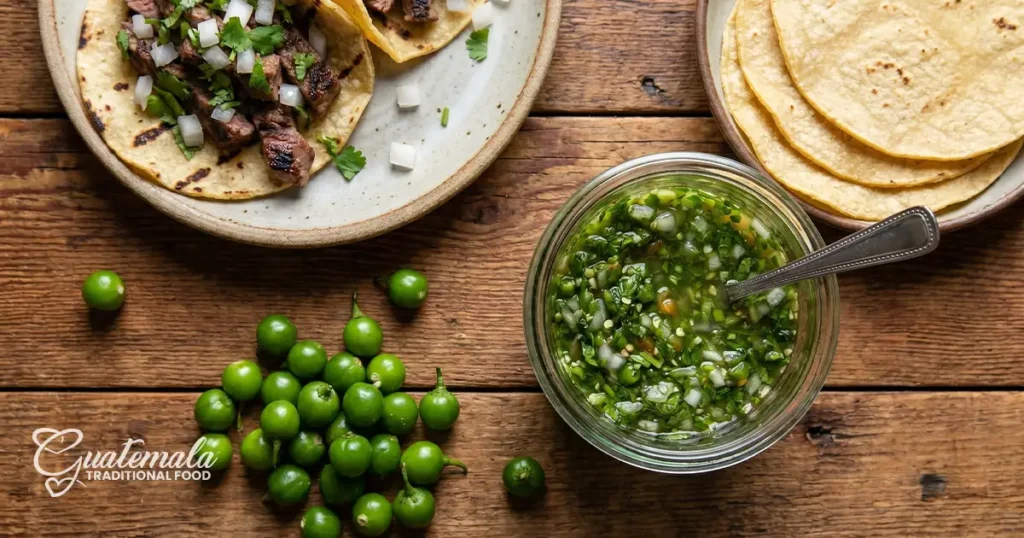
In the pantheon of global capsicums, few peppers possess the concentrated intensity and cultural resonance of the chiltepe. To the uninitiated, the chiltepe may appear as a mere curiosity—a tiny, round, berry-like pepper that belies its potency. However, for those immersed in the culinary landscape of Guatemala, it is an essential condiment, a flavor catalyst, and a symbol of national identity.
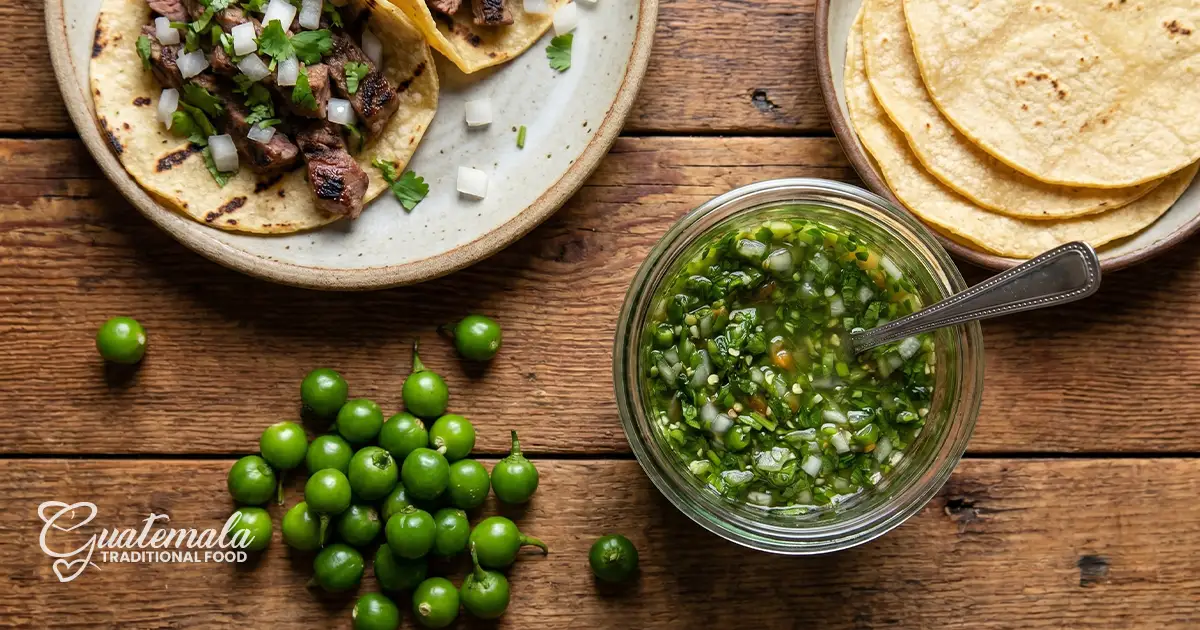
The chiltepe is a wild chile, meaning it often grows organically across the Guatemalan highlands and valleys without the need for intensive cultivation. Visually, these peppers are diminutive, typically measuring only a few millimeters in diameter, turning from a vibrant green to a brilliant, fiery red upon maturity. In terms of flavor profile, the chiltepe is characterized by a sharp, immediate heat that hits the palate quickly, followed by a clean, slightly fruity undertone. Unlike the smoky depth of a chipotle or the earthy sweetness of an ancho, the chiltepe provides a high-frequency "zing" that cuts through rich fats and brightens heavy stews.
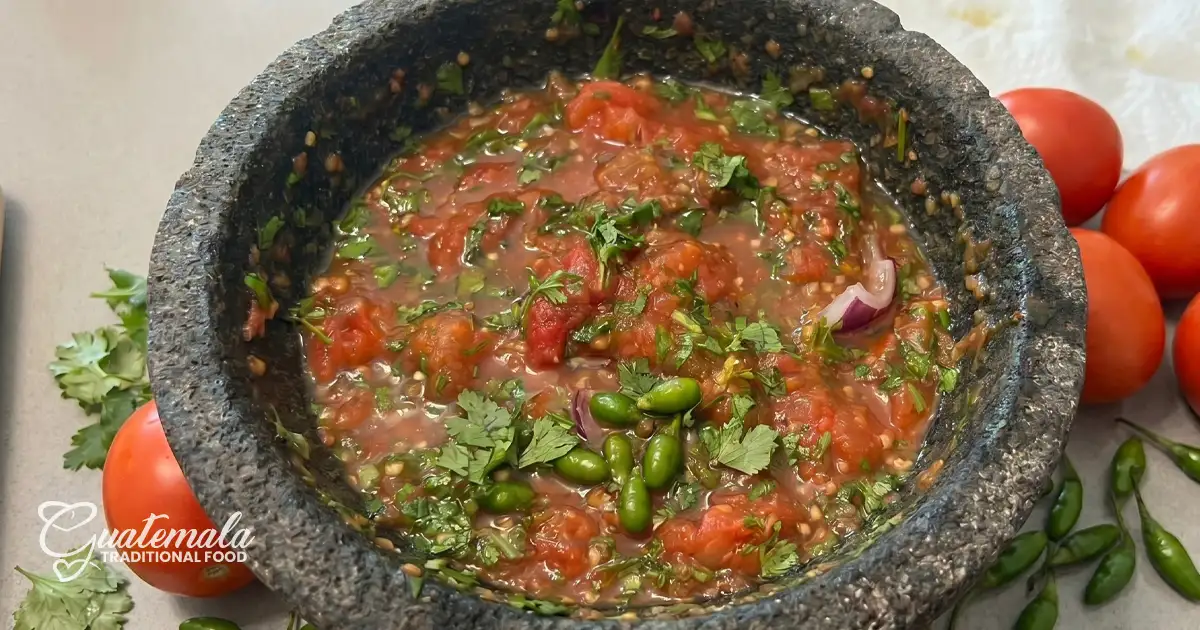
Culinary applications of the chiltepe are diverse. It is rarely the primary bulk ingredient of a dish; instead, it functions as a condiment or a "booster." In Guatemalan households, it is common to find a small bowl of fresh or pickled chiltepes on the table, allowing diners to add heat to their individual portions of soup or braised meats. When incorporated into salsas, the pepper is blended with aromatic staples such as onion, cilantro, and lime, creating a vibrant, acidic sauce that stimulates the appetite and balances the savory profiles of traditional Maya-influenced cuisine.
Mayan Heritage and Cultural Significance in Guatemala
The history of the chiltepe is inextricably linked to the ancestral lands of the Maya. Long before the arrival of Europeans, the indigenous peoples of Mesoamerica had already mastered the cultivation and utilization of wild chiles. The chiltepe represents a living link to this ancient agricultural wisdom, as its wild nature means it has evolved in tandem with the Guatemalan ecosystem.
In Maya culture, chiles were not merely food; they were seen as protectors and medicinal agents. The intense heat of the chiltepe was prized for its ability to stimulate the senses and provide warmth in the cool altitudes of the highlands. Over centuries, the use of this tiny pepper shifted from a survivalist foraging practice to a sophisticated culinary art form. It became a marker of regional identity, with different villages employing slight variations in how they preserved or prepared the pepper.
Perhaps the most profound cultural manifestation of the chiltepe is its role in Fiambre. Prepared every November 1st for All Saints' Day, Fiambre is a monumental, cold salad comprising dozens of ingredients—meats, pickled vegetables, and cheeses—all bound together by a complex vinegar-based dressing known as caldillo. The chiltepe is often a critical component of this celebration, providing the necessary heat to penetrate the density of the cured meats and fermented vegetables. For many Guatemalans, the scent and taste of chiltepe-infused sauces evoke memories of family reunions, ancestral honoring, and the deep-rooted traditions of the Maya highlands.
Key Ingredients and Authentic US Sourcing
Finding authentic chiltepe in the United States requires a strategic approach, as it is rarely stocked in mainstream supermarkets. To achieve an authentic flavor profile, you must look for specific labels and source from dedicated importers.
Sourcing Guide for US Buyers
The most reliable sources for chiltepe are Guatemalan-owned groceries, Central American markets, or specialty Latin-food retailers in metropolitan hubs. When shopping, look for the following terms on the packaging:
- Fresh Chiltepe: Sold in small bags; ensure they are firm and vibrant red.
- En Escabeche: Pickled chiltepes, which are excellent for long-term storage.
- En Salmuera: Peppers preserved in a salt brine, offering a more traditional, less acidic taste than vinegar-based pickles.
- Salsa de Chiltepe: Pre-made sauces; check the ingredient list to ensure the pepper is the primary agent rather than fillers.
If chiltepe is entirely unavailable, the closest substitutes are other small, potent chiles. The Bird's Eye chile, Piquin, or Thai chile can mimic the heat level, though they may lack the specific fruity nuance of the Guatemalan wild variety. To bridge the flavor gap, always pair substitutes with fresh cilantro and lime juice.
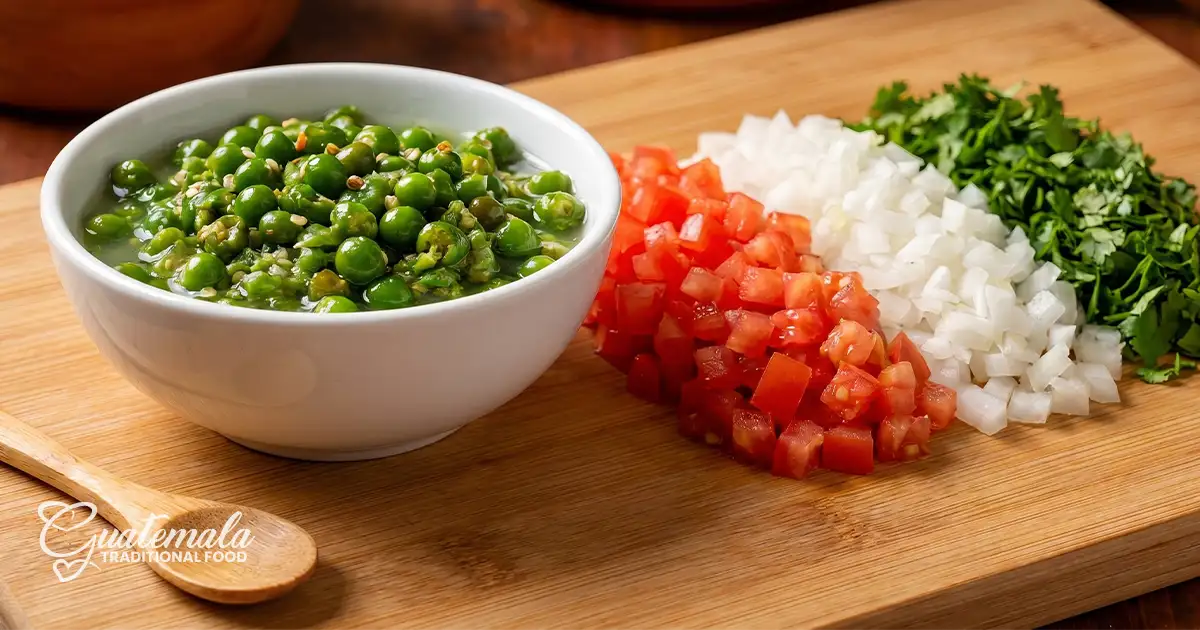
Ingredients for Authentic Chiltepe Salsa
To prepare a traditional batch of chiltepe condiment, you will need the following ingredients. These measurements are designed for a standard home-style batch.
- Chiltepe Peppers: 2 oz (approx. 55-60g). Use fresh or brined.
- White Onion: 1/4 cup (approx. 40g), finely diced.
- Fresh Cilantro: 1/4 cup (approx. 10g), chopped.
- Lime Juice: 2 tbsp (30ml) or white vinegar for a sharper tang.
- Salt: 1/2 tsp (3g) or to taste.
- Tomato or Miltomate (Husky Tomato): 1 small tomato (approx. 60g), optional for a thicker texture.
- Garlic: 1 small clove (3g), minced, optional.
- Water: 1-2 tbsp (15-30ml), reserved from boiling.
Step-by-Step Cooking Instructions
Creating an authentic chiltepe salsa requires a balance of heat and acidity. Depending on your preference for flavor depth, you can choose between a "bright" boiled method or a "deep" roasted method.
Phase 1: Preparation and Cleaning
- Stemming: Carefully remove the green stems from the chiltepe peppers. Because they are so small, using a pair of kitchen shears or a small paring knife is recommended.
- Washing: Rinse the peppers thoroughly in cold water to remove any grit or residue.
Phase 2: Thermal Processing
Choose one of the following two paths based on your desired flavor profile:
- The Boiling Method (Bright & Sharp): Place the cleaned peppers in a small pot and cover with water. Bring to a light boil for 2 to 3 minutes. This softens the pepper and mellows the raw "bite" without sacrificing the heat. Reserve 2 tablespoons of the cooking water before draining.
- The Roasting Method (Smoky & Rich): Place the peppers on a dry cast-iron skillet or under a broiler for 3 to 5 minutes until the skins slightly blister. This develops a deeper, charred flavor profile that pairs exceptionally well with grilled meats.
Phase 3: Assembly and Texturizing
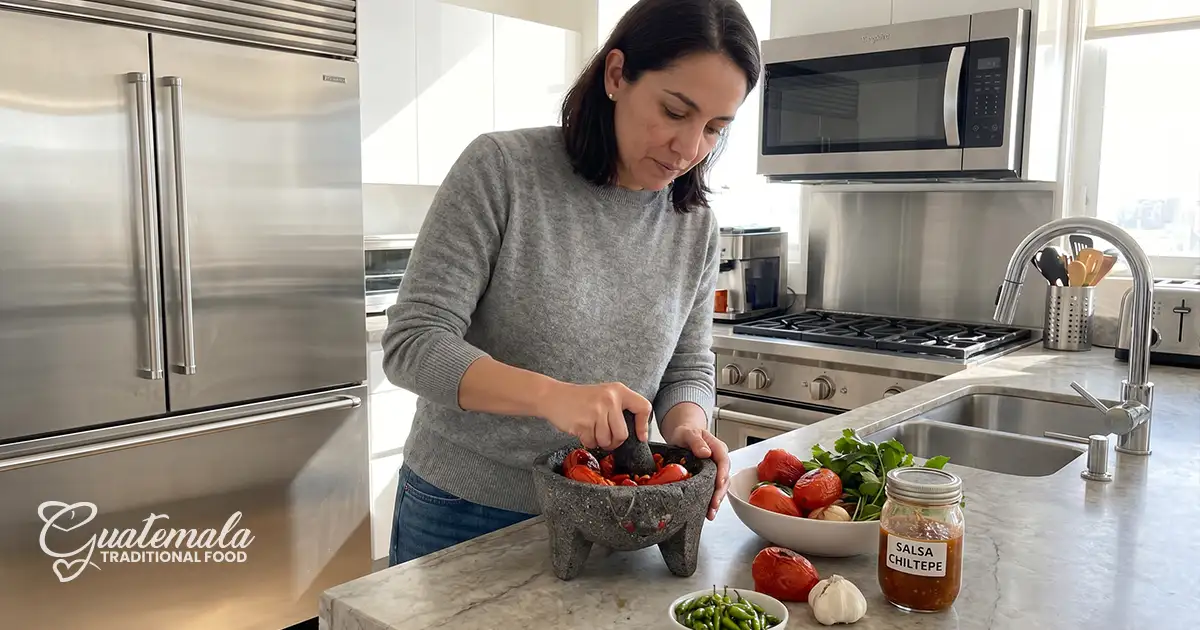
- Mashing/Blending: For a rustic, traditional texture, use a mortar and pestle (molcajete) to coarsely mash the processed peppers. For a smoother, more modern consistency, pulse them briefly in a blender or food processor. Do not over-process; the sauce should have some visible character.
- Incorporating Aromatics: In a mixing bowl, combine the mashed chiltepe with the finely diced white onion, chopped cilantro, and minced garlic (if using). If you are using tomato or miltomate, dice it very finely and fold it in now.
- Seasoning: Stir in the lime juice (or vinegar) and salt. The acidity is crucial as it interacts with the capsaicin to create a balanced heat.
- Adjusting Consistency: If the salsa is too thick, add the reserved cooking water one tablespoon at a time until the desired viscosity is reached.
Phase 4: Resting
Allow the salsa to sit at room temperature for 10 to 15 minutes. This resting period is essential for the salt to draw moisture from the onions and for the lime juice to penetrate the peppers, resulting in a cohesive flavor profile.
Expert Culinary Tips for Best Results
To elevate your chiltepe preparation from a simple recipe to a professional-grade condiment, consider these advanced culinary techniques.
Optimizing Texture and Flavor
The difference between a mediocre salsa and an elite one often lies in the treatment of the ingredients. To avoid a "bitter" edge, ensure that the peppers are not over-boiled. If you find the chiltepe is too aggressive for your palate, perform a second short simmer in salted water; this further breaks down the harshest compounds of the pepper.
Furthermore, pay close attention to the acidity. Lime juice provides a fresh, citrusy brightness that complements fish and poultry, while white vinegar provides a pungent, sharp note that is more appropriate for heavy stews, pork, or the aforementioned Fiambre. Always taste the sauce after adding your acid, as acidity can either amplify or dampen the perception of heat depending on the balance.
Pairing Recommendations
Chiltepe is a versatile tool in the kitchen. For a truly authentic experience, pair your salsa with the following:
- Caldos (Soups): Stir a spoonful into a beef or chicken broth to add an immediate layer of complexity.
- Grilled Meats: Use it as a dipping sauce for carne asada or grilled pork loin.
- Avocados: The creamy fat of a ripe avocado perfectly offsets the piercing heat of the chiltepe.
- Tostadas: Spread a thin layer of chiltepe salsa beneath beans or ceviche on a crispy tortilla.
Storage and Preservation
Fresh chiltepe salsa is best consumed within 3 to 5 days when kept refrigerated in an airtight glass container. Because of the high acid content from the lime or vinegar, it maintains its vibrancy well. However, if you wish to preserve the peppers themselves, you can create a simple brine (equal parts water and vinegar with a generous pinch of salt) and store the whole peppers in a sterilized jar. This "en escabeche" style allows you to keep the fiery magic of the Maya wild chiles in your pantry for several months.
Nutritional Note
While chiltepe is consumed in small quantities as a condiment, it is rich in vitamins A and C and contains capsaicin, which is known for its metabolic-boosting properties. When calculating nutritional values, remember that the profile varies significantly based on added ingredients. A pure chiltepe blend is low in calories, but the addition of oil or sugar in some commercial versions can alter the per-100g count. For the most authentic and healthy experience, stick to the fresh, vegetable-based preparation described above.
How to Source Ingredients in the USA
US Supermarket Equivalents: Primary ingredients for chiltepe can be found at nationwide grocers including Walmart, Kroger, and Trader Joe's. Specialized chiles and traditional produce are readily available at local Latin American markets and online specialty grocers.
Frequently Asked Questions
What makes authentic Guatemalan chiltepe unique?
Authentic Guatemalan chiltepe relies on ancestral cooking techniques and aromatic recado bases that highlight native herbs and slow simmering rather than sharp chile heat.
How can home cooks store and reheat leftovers?
Store in an airtight glass container in the refrigerator for up to 4 days. Reheat gently on the stovetop over low heat, adding a splash of broth or water if needed to restore its original consistency.
Craving Authentic Guatemalan Cuisine Near You in the USA?
Explore our nationwide directory of verified Guatemalan restaurants, bakeries, and food trucks across all 50 states.
If you want to see other articles similar to Chiltepe Guatemala: The Fiery Magic of Maya Wild Chiles you can visit the category Ingredients.