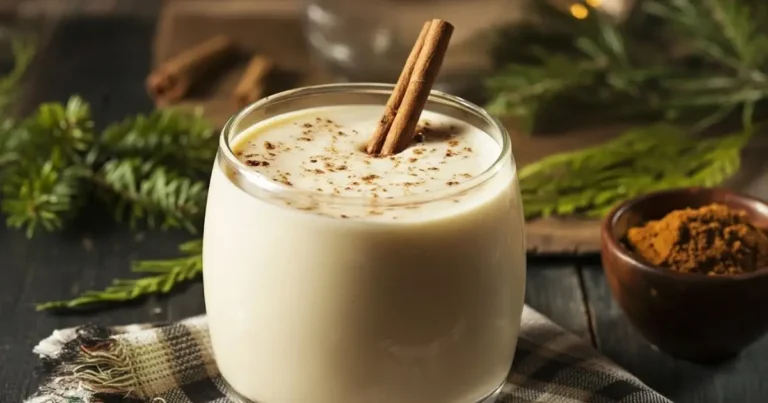
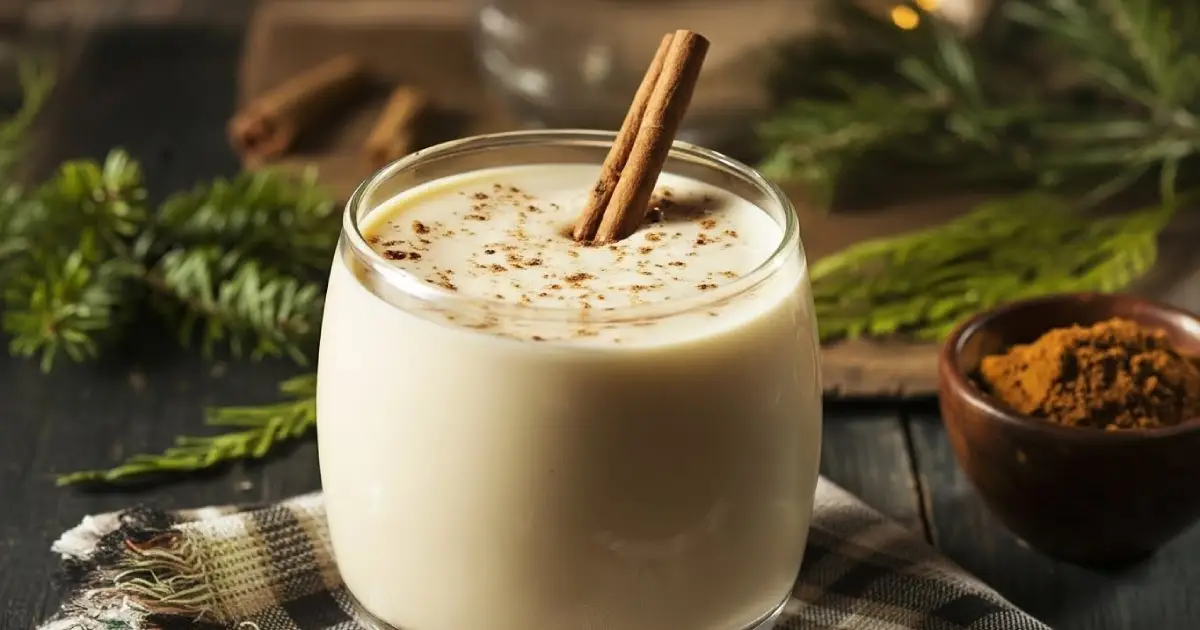
Rompope Guatemalteco: The Complete Guide to Guatemala’s Colonial Eggnog
Discover the Authentic rompope Recipe from Salcajá
In the misty highlands of Quetzaltenango, where volcanic peaks guard centuries of culinary tradition, a golden elixir has been passed from generation to generation since the colonial era. Rompope guatemalteco—a velvety, spiced egg liqueur—represents far more than a festive drink; it is a liquid artifact of cultural fusion, monastic innovation, and familial devotion. To taste authentic rompope is to sip from a glass filled with nearly five hundred years of history.
What distinguishes Guatemalan rompope from its Mexican predecessor or commercial imitations is the meticulous attention to process: the patient double-boiling, the careful tempering of egg yolks, and—most crucially—the resting period that allows flavors to marry into something transcendent. Whether you encounter it during December’s posadas or year-round in the artisan shops of Salcajá, this licor de huevo delivers warmth, complexity, and an unmistakable connection to the past.
Historical and Cultural Background
From Convent Kitchens to Highland Homes
The genesis of rompope lies in the Virreinato de Nueva España—the colonial territory that encompassed modern-day Mexico. During the 16th century, the Poor Clare nuns (Monjas Clarisas) of Puebla developed this rich, spiced liqueur as an exclusive offering for royalty and ecclesiastical authorities. Within convent walls, where culinary experimentation flourished alongside spiritual devotion, nuns transformed simple ingredients—eggs, sugar, milk, and aguardiente—into something worthy of a viceroy’s table.

Salcajá: The Cradle of Guatemalan Rompope
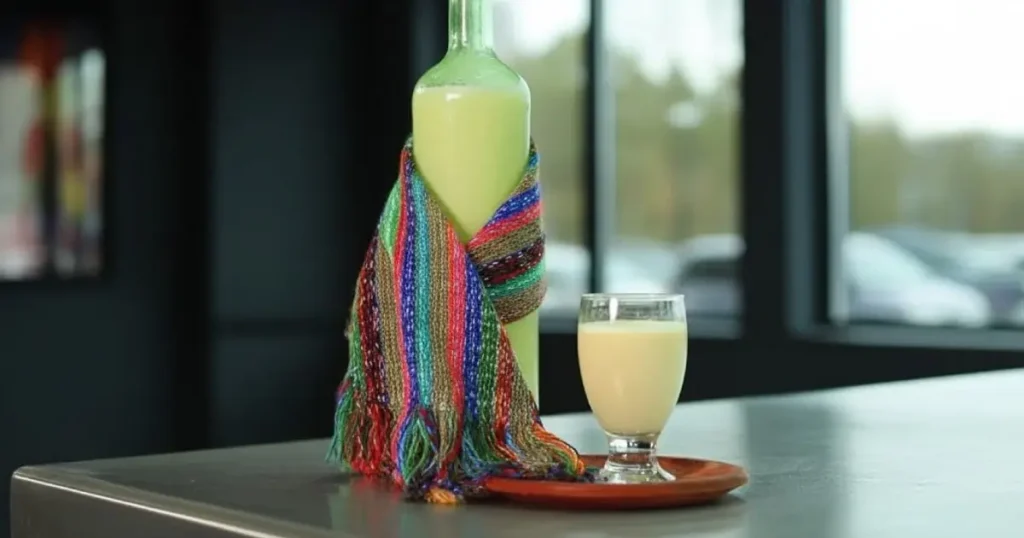
No discussion of this beverage is complete without acknowledging Salcajá’s central role. This small municipality, nestled in the department of Quetzaltenango, has earned the title of “la cuna del rompope”—the cradle of rompope. Here, the tradition runs so deep that families guard their recipes with the same reverence others reserve for heirlooms. The Santizo de Sandoval family, for instance, maintains a dairy-free version that emphasizes bold spicing and extended aging—a formula passed through generations and fiercely protected.
In Salcajá, rompope is not merely a Christmas indulgence. It is available year-round, sold in artisan shops alongside caldo de frutas, another fermented local specialty. The drink’s peculiar depth of flavor—achieved through months of patient aging—distinguishes Salcajá’s production from commercial versions found elsewhere. Visiting during the holiday season reveals a town animated by this tradition: families preparing batches, vendors offering tastings, and the sweet, spiced aroma of rompope drifting through cool mountain air.
Traditional Rompope Recipe: Ingredients and Components
Essential Ingredients
Preparing an authentic batch of Guatemalan rompope requires careful attention to ingredient quality and proportions. The following components form the foundation of the traditional recipe:
Base Ingredients:
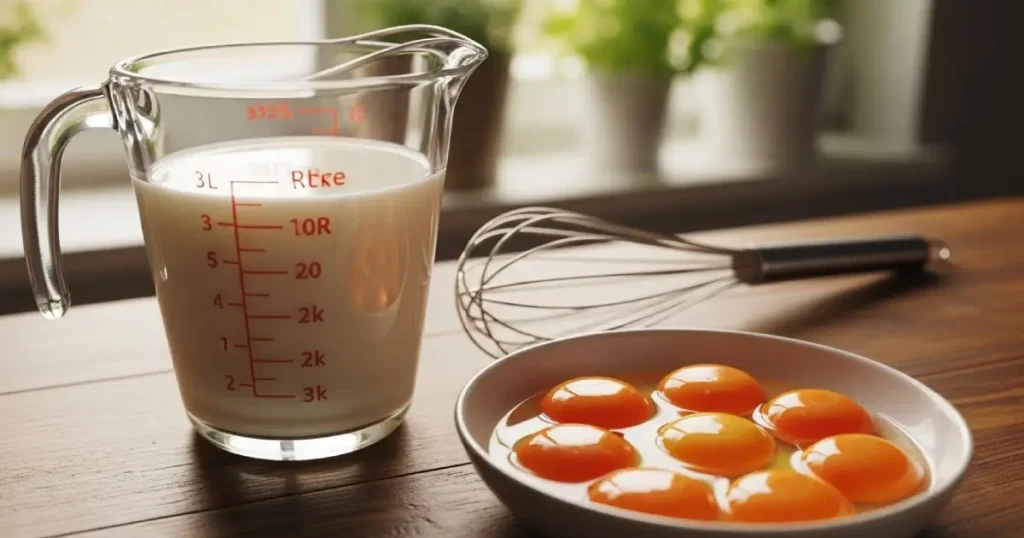
- 3 liters whole milk – Full-fat milk is essential; reduced-fat versions will produce an inferior texture.
- 8 large egg yolks – Fresh, high-quality eggs from free-range hens yield the richest color and flavor.
Sweetener:
- 2.5 pounds (approximately 1.1 kg) granulated sugar – White sugar dissolves cleanly without altering the drink’s golden hue.
Spices and Aromatics:
- 2 whole cinnamon sticks – Ceylon cinnamon offers a more delicate, complex flavor than cassia.
- 1 cup walnuts – Toasted lightly for enhanced nuttiness.
- Freshly grated nutmeg to taste – Always grate whole nutmeg; pre-ground nutmeg loses its essential oils rapidly.
Alcohol:
- 1 glass (approximately 250 ml) rum – Dark rum provides deeper caramel notes, while white rum keeps the flavor cleaner. Traditional versions often use local aguardiente.
Additive:
- A small pinch of baking soda – This helps prevent the milk from curdling during the heating process.
Ingredient Notes and Substitutions
For those with dietary restrictions, the Salcajá tradition offers precedent: the Santizo de Sandoval family’s renowned dairy-free version proves that rompope can transcend its standard formula. Such variations typically compensate by intensifying the spice profile and extending the aging period. Coconut milk or oat milk can serve as bases, though the resulting drink will differ significantly from the classic profile.
Regarding alcohol, purists advocate for Guatemalan ron or aguardiente, which carries a slightly different character than Caribbean rums. However, any quality aged rum will produce excellent results. Avoid flavored rums, which compete with the drink’s natural aromatics.
Step-by-Step Preparation Method
Phase One: Initial Milk Preparation
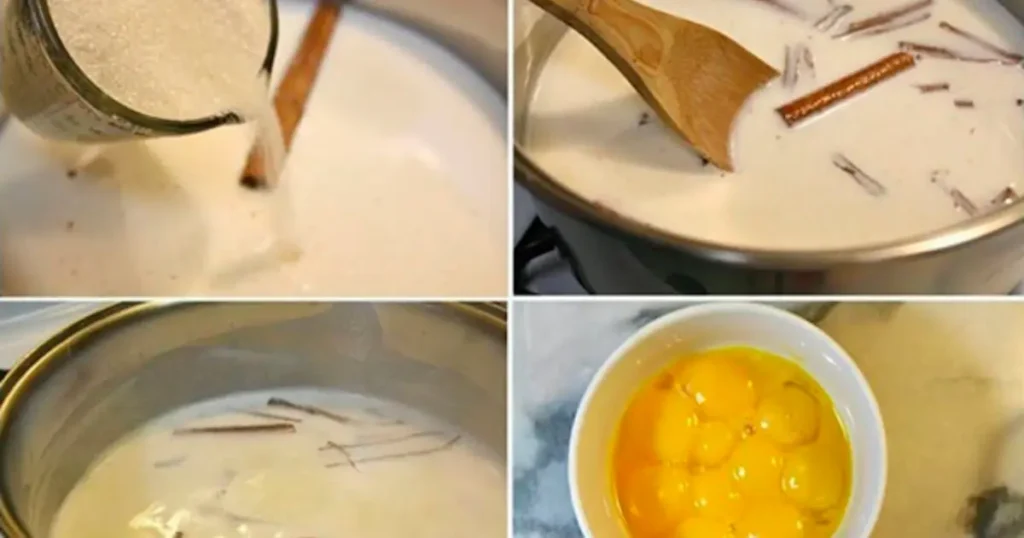
- Pour the three liters of milk into a large, heavy-bottomed pot. Copper or stainless steel works best; avoid reactive metals like aluminum.
- Add the cinnamon sticks to the milk and place over low heat. Patience is critical—low heat prevents scorching and allows the cinnamon to infuse gradually.
- Stir constantly with a wooden paddle or spoon. Traditional recipes specifically call for wooden utensils, believed to impart no off-flavors and distribute heat evenly.
- Continue stirring until the milk reaches a gentle boil. Watch carefully; milk can overflow rapidly once it begins to foam.
- Remove immediately from heat and allow to cool completely. This resting period typically requires 2-3 hours at room temperature, or overnight in the refrigerator for convenience.
Phase Two: Blending the Egg Mixture
- Grind the nutmeg using a microplane or spice grinder until you have approximately half a teaspoon of powder. Freshly ground nutmeg is non-negotiable for authentic flavor.
- Combine in a blender: the sugar, egg yolks, ground nutmeg, and approximately one cup of the cooled milk. The small amount of milk helps the blender process the mixture smoothly.
- Blend on medium-high speed for five full minutes. This extended blending aerates the mixture and ensures complete dissolution of the sugar.
- Add the pinch of baking soda to the remaining cooled milk, stirring to incorporate. This neutralizes acidity and stabilizes the proteins.
- Pour the blended egg mixture into the pot with the milk, whisking thoroughly to combine.
Phase Three: Second Heating
- Return the combined mixture to low heat, stirring constantly with your wooden paddle.
- Continue stirring as the mixture heats gradually. The constant motion prevents the eggs from scrambling and ensures even heating throughout.
- Bring to a gentle boil, then immediately remove from heat. The mixture should appear slightly thickened and uniformly smooth.
Phase Four: Final Cooling and Alcohol Addition
- Allow the mixture to cool completely once more. Adding alcohol to hot liquid will cause evaporation and produce off-flavors.
- Once fully cooled, stir in the rum or aguardiente until thoroughly incorporated.
- Strain the finished rompope through fine cheesecloth if desired, though traditional versions often retain some texture from the ground nuts and spices.
Phase Five: Aging and Storage
- Transfer the rompope to clean glass bottles or a covered container. Sterilized bottles ensure longer shelf life.
- Refrigerate and allow to rest for a minimum of one day. This brief aging allows flavors to meld and the texture to stabilize.
- For superior results, age for one to three months in the refrigerator, shaking occasionally to redistribute any settled ingredients. Salcajá artisans insist that extended aging produces the most refined flavor.
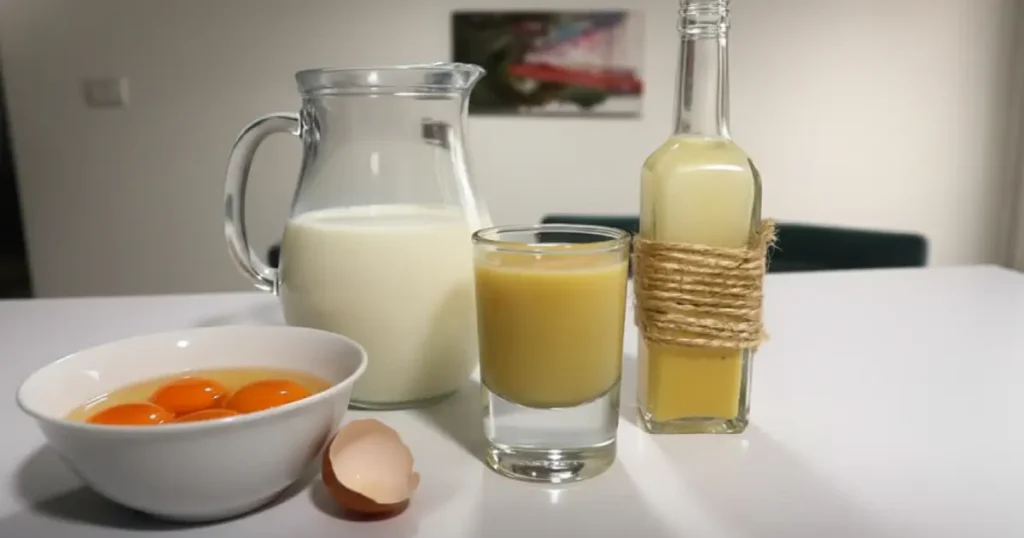
Creamy Egg Liqueur
Rompope guatemalteco represents something increasingly rare in our homogenized culinary landscape: a beverage with genuine historical depth, regional specificity, and living tradition. From its origins in the convents of colonial Puebla to its flowering in the highland municipality of Salcajá, this golden egg liqueur has traveled through centuries while retaining its essential character—a testament to the families and communities who have guarded its secrets.
Whether you prepare rompope for Christmas celebrations, as a digestive following a festive meal, or simply to connect with a culinary tradition far older than any of us, the effort rewards deeply. In each sip, you taste not just eggs, sugar, milk, and rum, but the accumulated wisdom of Franciscan friars, Clarisa nuns, highland families, and all those who understood that some things cannot be hurried—only savored.
Local Tips & Common Questions (2026 Update)
What are the most popular traditional Guatemalan food dishes?
When exploring guatemalan food traditional offerings, you’ll encounter pepián (our guatemalan national food – a rich meat stew), kak’ik (turkey soup from Cobán), jocon (chicken in green sauce), and hilachas (shredded beef in tomato sauce). These traditional guatemalan food dishes represent the heart of our culinary heritage, blending Mayan and Spanish influences that have been perfected over centuries.
Where can I find authentic traditional guatemalan food recipes?
The best guatemalan traditional food recipes are often passed down through families, but you can find authentic versions at local markets where vendors share their secrets. For learning at home, I recommend seeking out guatemalan traditional food recipes that include ingredients like recado (achiote paste), pepitoria (ground pumpkin seeds), and dried chilies. Many traditional guatemalan food names like “revolcado” or “subanik” might seem unfamiliar, but these dishes tell the story of our regions – each recipe connected to specific towns and celebrations.
What traditional guatemalan christmas food should I try?
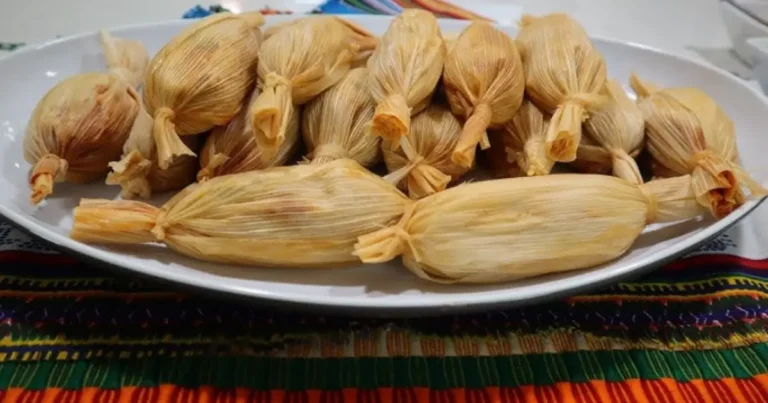
During the holidays, guatemalan traditional foods take on special significance. Traditional guatemalan christmas food includes tamales colorados and negros (red and black tamales), ponche (hot fruit punch), and torrejas (similar to French toast in syrup). Families gather to make dozens of tamales together, and you’ll find these being sold as guatemalan traditional street food throughout December, especially near churches after evening posadas.
What is served at Guatemalan weddings?
Traditional guatemalan wedding food centers around pepián or jocon served with rice and handmade tortillas. Many families also prepare fiambre (a cold salad with over 50 ingredients) if the wedding falls near November 1st. The meal often concludes with rellenitos de plátano and champurradas (cookies) alongside Guatemalan coffee. Street vendors outside wedding venues frequently offer guatemalan traditional street food like elotes locos and garnachas for guests.
What guatemalan traditional street food is safe to eat?
Our guatemalan traditional street food scene is vibrant and generally safe when you choose busy stalls with high turnover. Look for tostadas, tacos guatemaltecos (different from Mexican versions), chuchitos (small tamales), and rellenitos. The traditional guatemalan foods found on streets often taste better than restaurant versions because they’re made fresh throughout the day using traditional guatemalan food recipes that vendors have perfected over years of daily preparation.
Local Tips & Common Questions (2026 Update)
What is Guatemala’s Most Popular Food?
When visitors ask about Guatemala’s most popular food, the answer is undoubtedly Pepián. This rich, spicy stew is considered the national dish and represents centuries of culinary tradition. However, Guatemala most popular food items also include tamales, which Guatemalans consume by the millions during holidays and weekends. Both dishes showcase the complex flavors that define our cuisine.
Guatemala City Popular Food Scene
The capital offers a unique perspective on Guatemala City popular food culture. Here you’ll find everything from traditional comedores serving authentic Kak’ik to modern interpretations of classic recipes. Zone 4’s Mercado Central and Zone 10’s upscale restaurants both celebrate Guatemala food popular traditions while catering to different audiences. Don’t miss the street vendors around Parque Central for authentic garnachas and tostadas.
Guatemala Popular Fast Food Restaurants
Beyond international chains, Guatemala popular fast food restaurants include beloved local spots like Pollo Campero (our national pride!), which has expanded internationally. You’ll also find Pollo Brujo, Pinulito, and Los Antojitos serving quick, affordable Guatemalan favorites. These establishments prove that Guatemala popular food and drinks can be enjoyed on-the-go without sacrificing authenticity.
Must-Try Guatemala Popular Food Dishes
The essential Guatemala popular food dishes every visitor should experience include:
- Pepián – Our national stew with roasted spices
- Kak’ik – Turkey soup from Alta Verapaz
- Chiles Rellenos – Stuffed peppers in tomato sauce
- Jocon – Green chicken stew with cilantro and tomatillos
- Plátanos en Mole – Plantains in rich chocolate-chili sauce
Guatemala Popular Food Recipes to Try at Home
Many travelers want to recreate Guatemala popular food recipes after returning home. Start with simple dishes like frijoles volteados (refried black beans) or arroz guatemalteco (Guatemalan-style rice with vegetables). For more ambitious cooks, pepián and hilachas offer rewarding challenges. The key ingredients – dried chilies, tomatoes, tomatillos, and recado spices – are increasingly available in Latin markets worldwide.
Popular Guatemalan Drinks to Accompany Your Meal
No discussion of Guatemala popular food and drinks is complete without mentioning our beverages. Atol de elote (sweet corn drink), horchata (rice and cinnamon drink), and fresh limonada perfectly complement our cuisine. For adults, Gallo beer and Quetzalteca aguardiente are local favorites, while Café de Antigua showcases our world-renowned coffee heritage.