Rellenitos de Plátano: Guatemala’s Iconic Stuffed Plantain Dessert
Rellenitos de Plátano a sweet tradition
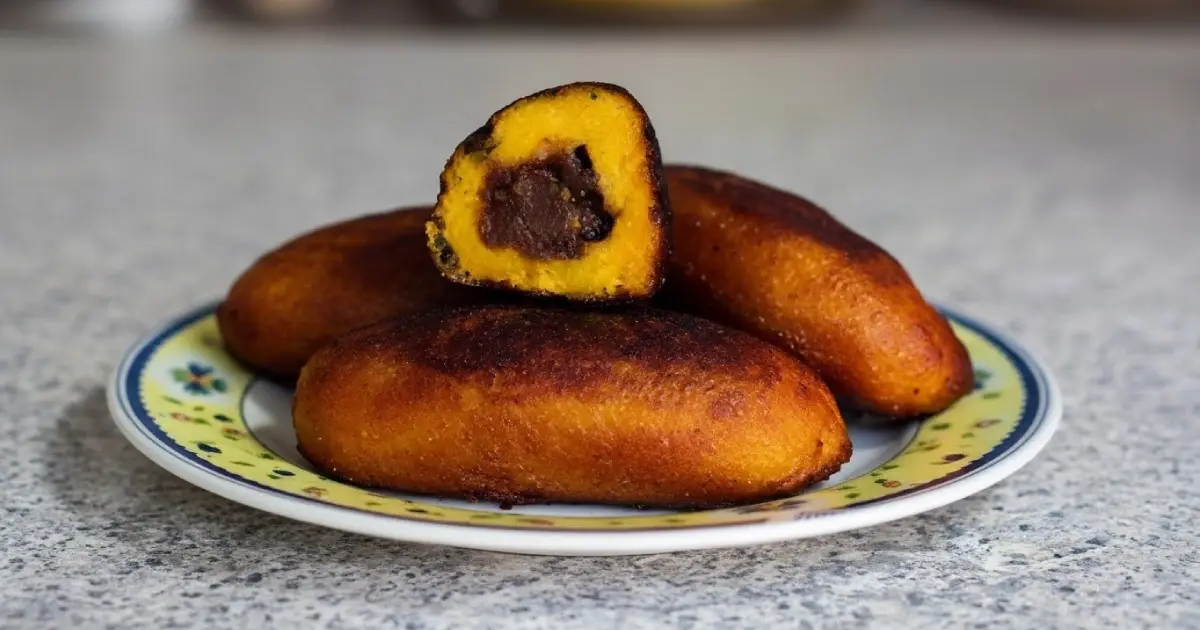
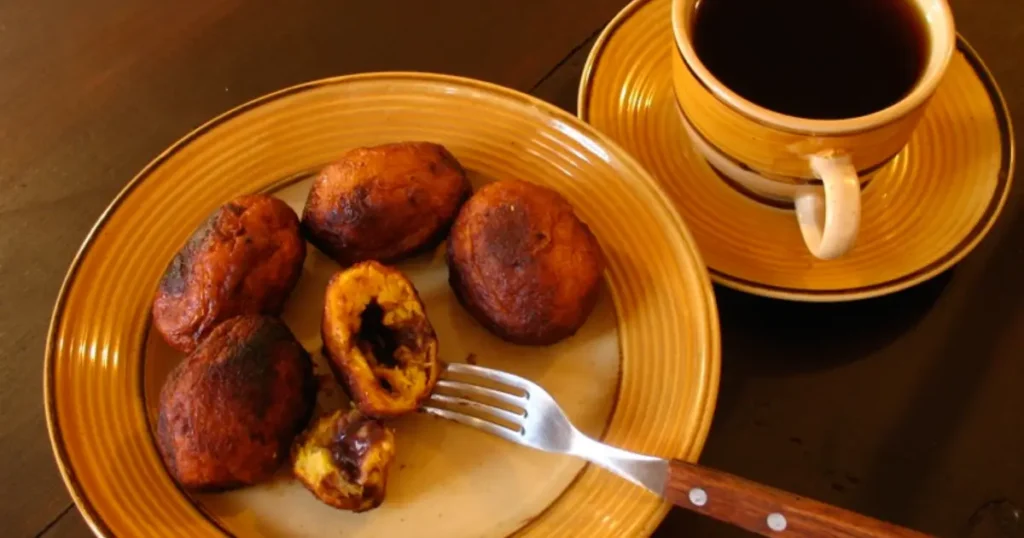
Few desserts capture the soul of a nation quite like the rellenito de plátano captures Guatemala’s. These golden, sugar-dusted ovals—crispy on the outside, impossibly tender within—represent centuries of culinary evolution, where Maya agricultural wisdom meets Spanish colonial influence in one sublime bite. The contrast is deliberate and perfect: caramelized ripe plantain encasing a velvety filling of sweetened black beans enriched with chocolate and cinnamon.
Walk through any Guatemalan market, linger near the stalls during a patron saint festival, or find yourself at a family gathering on Christmas Eve, and rellenitos will be there. They are the constant, the comfort, the edible thread connecting generations. For those exploring authentic Central American cuisine, resources like Guatemala Food offer invaluable cultural context for understanding why this humble dessert carries such profound significance.
Historical and Cultural Origins
The story of rellenitos begins in the tumultuous sixteenth century, when Spanish colonizers arrived in what would become Guatemala. They encountered a sophisticated Maya civilization with millennia of agricultural knowledge—people who had domesticated maize, cacao, and cultivated plantains brought earlier from Southeast Asia via Africa and the Caribbean. The Spanish introduced new cooking techniques and the widespread cultivation of black beans, setting the stage for culinary synthesis.
Rellenitos emerged from this collision of worlds. Maya cooks, already masters of working with plantains and cacao, incorporated the newly abundant frijol negro into their repertoire. The result was neither purely indigenous nor entirely European—it was something new, distinctly Guatemalan. African culinary traditions, brought by enslaved people to Central America, further influenced the dish’s development, particularly in frying techniques and the integration of sweet and savory elements.
By the eighteenth century, rellenitos had become embedded in Guatemala’s social fabric. They appeared at religious festivals, family celebrations, and increasingly, in the bustling markets of Guatemala City and highland towns. The recipe passed orally from grandmother to mother to daughter, each generation adding subtle refinements while preserving the essential character of the dish.
Understanding the Rellenito: Composition and Character
At its essence, a rellenito is architectural. The outer shell, made from cooked and mashed plátano macho maduro (ripe plantain), must be pliable enough to shape yet firm enough to hold during frying. The filling—frijoles negros dulces sweetened with sugar, perfumed with cinnamon, and enriched with chocolate—provides the flavor core. When properly executed, each element maintains its identity while contributing to a unified whole.
The flavor profile defies easy categorization. The plantain brings natural sweetness with subtle tropical notes, while the black bean filling offers earthiness tempered by sugar and the gentle bitterness of cacao. Cinnamon provides aromatic warmth, and the final sugar coating adds textural crunch alongside additional sweetness. Some describe the overall effect as agridulce—bittersweet—a term that captures the sophisticated interplay of flavors.
Regional Variations and Expert Techniques
While the basic rellenito formula remains consistent throughout Guatemala, regional variations and family traditions introduce meaningful differences. In the western highlands, where Maya traditions remain strongest, rellenitos often feature a higher proportion of cacao in the filling, resulting in a more pronounced chocolate character. Coastal regions may incorporate a touch of coconut or use slightly less-ripe plantains for a firmer texture.
Manjar-filled rellenitos represent the primary alternative to the bean-based classic. Manjar—a sweetened milk-based filling similar to dulce de leche—creates a richer, more uniformly sweet dessert. Purists sometimes dismiss this variation as a modern convenience, but manjar rellenitos have their own devoted following and appear frequently alongside traditional versions at market stalls.
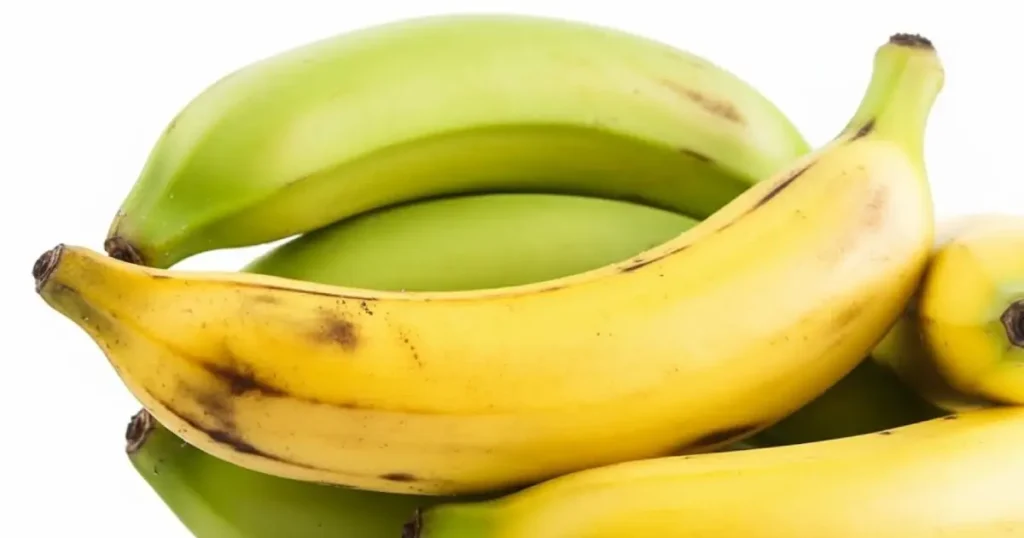
Expert preparation techniques distinguish memorable rellenitos from merely adequate ones. The plantain selection proves critical: look for plátanos macho that are completely black-skinned, indicating full ripeness. Underripe plantains yield a starchy, stiff dough that cracks during shaping; overripe specimens become too soft to handle. The ideal plantain surrenders easily to pressure but hasn’t begun to ferment.
Essential Ingredients and Their Roles
Plantain Base
Plátano macho maduro (ripe plantain): The foundation ingredient, requiring 4-6 fruits depending on size. Unlike common bananas, plantains must be cooked before eating. Their starch converts to sugar as they ripen, making skin color the primary ripeness indicator. Jet-black skin signals optimal sweetness for rellenitos.
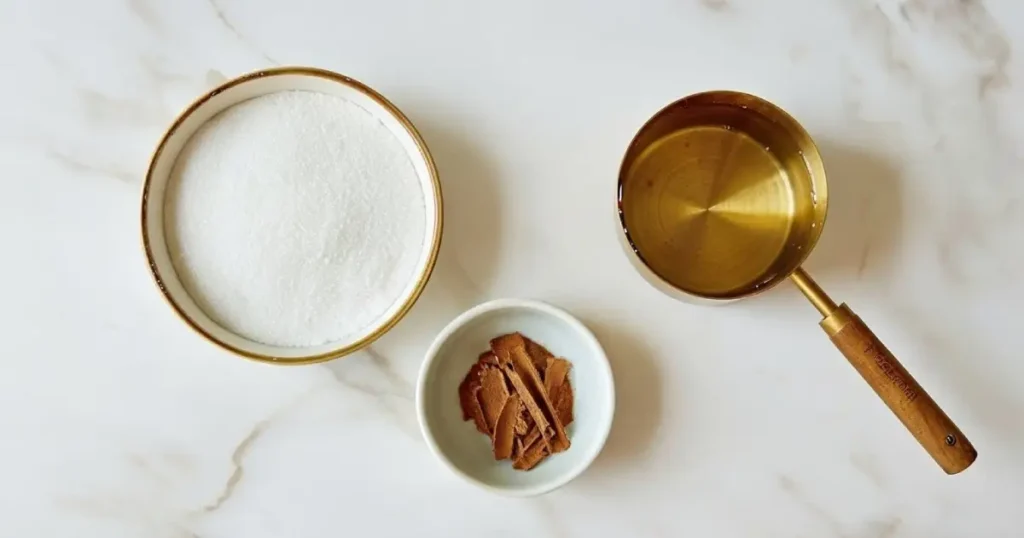
Water (1.5 cups): For boiling the plantains until soft, approximately 10 minutes.
Cinnamon stick (raja de canela): Infuses the cooking liquid with aromatic warmth that permeates the plantain flesh.
Sugar (2 tablespoons): Added to the boiling water, enhancing the plantain’s natural sweetness.
Breadcrumbs (media taza/half cup): Incorporated into the mashed plantain to achieve proper consistency. The breadcrumbs absorb excess moisture and provide structure, enabling the dough to hold its shape during assembly and frying.
Sweet Bean Filling
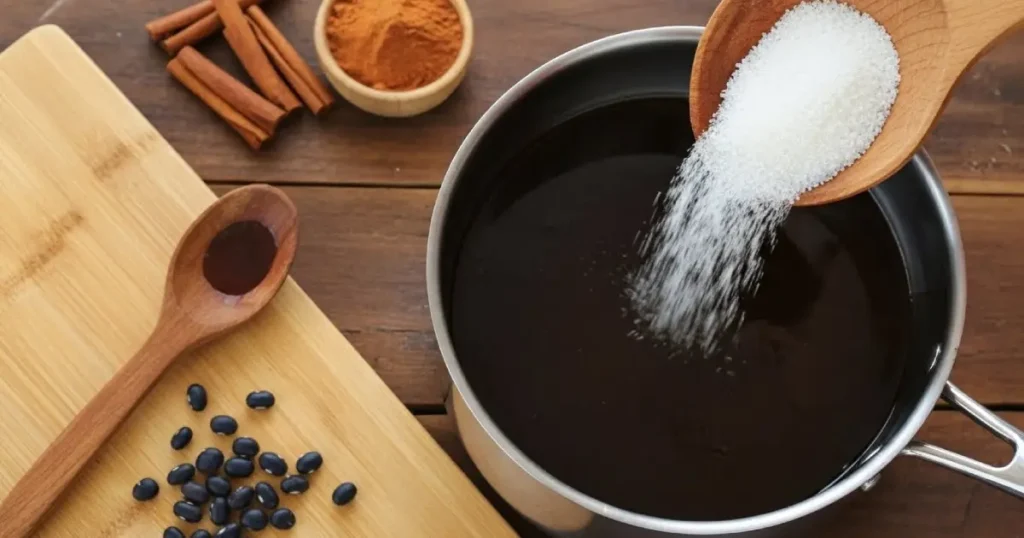
Black beans (frijoles negros): Precooked and blended into a smooth paste before frying. Traditional preparation uses whole dried beans cooked from scratch, though quality canned beans produce acceptable results.
Sugar (half cup): Transforms the earthy beans into a sweet filling. Adjust quantity based on chocolate type and personal preference.
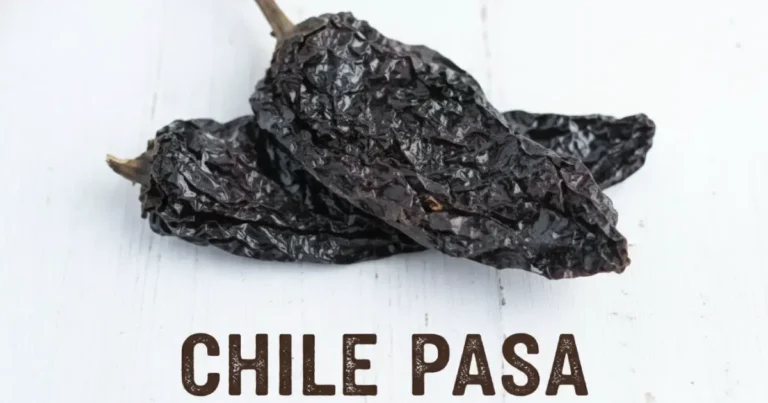
Chocolate or cocoa powder (2 ounces chocolate or 1 tablespoon cocoa): The signature enrichment that elevates rellenitos beyond simple bean-stuffed plantain. Mexican chocolate, with its characteristic cinnamon notes, provides particularly harmonious results.
Cinnamon powder (half teaspoon): Reinforces the cinnamon theme established in the plantain cooking liquid.
Assembly and Finishing
All-purpose flour (half cup): For dusting formed rellenitos before frying, creating a barrier against oil absorption.
Vegetable oil: Sufficient for frying to a depth of approximately two inches. Neutral oils like canola or vegetable work best, allowing the dessert’s flavors to shine.
Sugar for finishing: Sprinkled generously on hot rellenitos immediately after frying, creating the characteristic crystalline coating.
Step-by-Step Preparation Method
Phase One: Preparing the Plantain Dough
1. Wash the ripe plantains thoroughly. Using a sharp knife, remove and discard both ends, then cut each plantain crosswise into four equal pieces. Leave the skin intact during cooking.
2. Place the plantain pieces in a large pot and cover with approximately 1.5 cups of water. Add one cinnamon stick and two tablespoons of sugar to the pot.
3. Bring the water to a boil over high heat, then reduce to medium-low. Simmer for approximately 10 minutes, or until a fork pierces the plantain flesh easily. Take care not to overcook—plantains that fall apart will yield waterlogged, difficult-to-handle dough.
4. Drain the plantains, reserving a small amount of the cooking liquid. Allow them to cool for 2-3 minutes until handleable but still warm.
5. Remove the softened skin and locate the fibrous vein running through the center containing small black seeds. Extract and discard this vein.
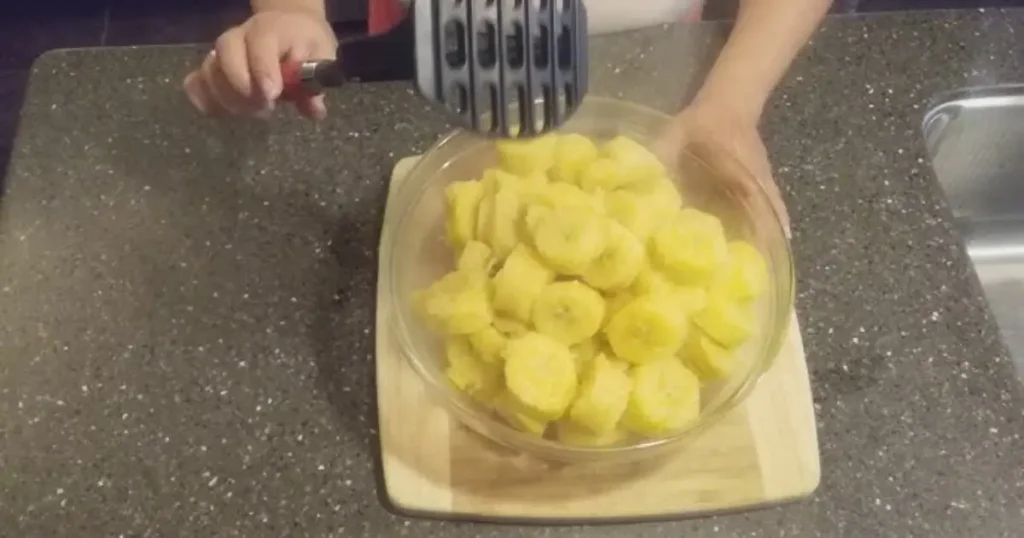
6. Transfer the peeled plantain to a large bowl. Mash thoroughly using a potato masher or heavy fork until completely smooth, eliminating all lumps.
7. Incorporate the breadcrumbs gradually, mixing until the dough achieves a pliable, Play-Doh-like consistency. If the mixture seems too dry, add reserved cooking liquid one tablespoon at a time.
8. Set the dough aside to cool to room temperature. Warm dough is easier to shape, but it should not be hot enough to begin cooking the filling upon contact.
Phase Two: Creating the Chocolate-Bean Filling
9. If using dried beans, cook according to package directions until completely tender. Transfer to a blender with minimal cooking liquid and process until smooth. For canned beans, drain and blend directly.
10. Heat a large skillet over medium heat. Add the blended beans and cook, stirring constantly, for 8-10 minutes. The paste will gradually thicken and pull away from the pan’s sides.
11. Add the sugar, cinnamon powder, and chocolate (broken into pieces) or cocoa powder. Continue stirring until the chocolate melts completely and all ingredients are fully incorporated.
12. Cook for an additional 3-4 minutes until the filling achieves a thick, fudgy consistency that holds its shape when dropped from a spoon. The mixture should not be runny or wet.
13. Remove from heat and allow to cool until handleable but still slightly warm. Filling that’s too hot will melt through the plantain dough; filling that’s cold will be difficult to shape.
Phase Three: Assembly and Frying
14. Prepare your assembly station: plantain dough in one bowl, filling in another, flour spread on a plate, and a clean baking sheet lined with parchment paper for holding formed rellenitos.
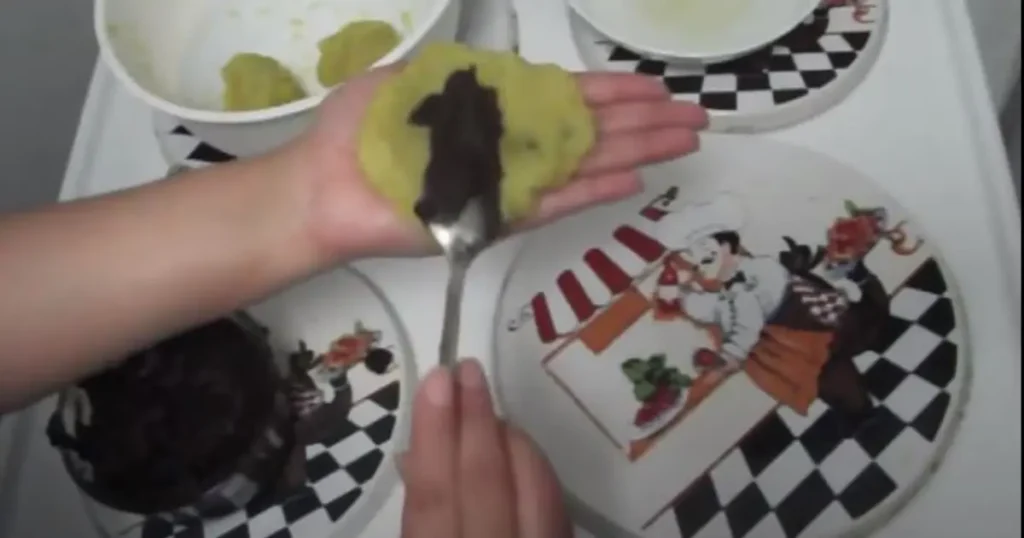
15. Wet your hands lightly with water or vegetable oil. Take a portion of plantain dough approximately the size of a golf ball (about 2 tablespoons). Roll it between your palms, then flatten it in one hand to create a small cup or disc approximately 3 inches in diameter.
16. Place one heaping teaspoon of filling in the center of the plantain disc. Do not overfill—excess filling makes sealing difficult and increases the risk of rupture during frying.
17. Carefully bring the edges of the plantain dough up and around the filling, pinching firmly to seal. Roll the sealed package between your palms to form a smooth oval shape. Inspect for gaps or thin spots; repair any vulnerabilities by pressing additional dough over weak areas.
18. Place the formed rellenito on the prepared baking sheet. Repeat with remaining dough and filling.
19. Pour oil into a deep skillet or Dutch oven to a depth of approximately 2 inches. Heat over medium-high until the oil reaches 350°F (175°C). If you lack a thermometer, test readiness by dropping a small piece of dough into the oil—it should sizzle immediately and rise to the surface.
20. Working in batches to avoid crowding, roll each rellenito lightly in flour, shaking off excess, then carefully lower into the hot oil.
21. Fry for 2-3 minutes per side, turning once or twice with a slotted spoon, until the exterior achieves a deep golden-brown color.
22. Remove finished rellenitos to a plate lined with paper towels. Immediately sprinkle generously with sugar while still glistening with oil—this ensures the sugar adheres properly.
23. Serve warm or at room temperature alongside Guatemalan coffee, hot chocolate, or as tradition dictates.
Expert Tips and Common Mistakes to Avoid
Plantain Ripeness Errors: The most frequent mistake involves using insufficiently ripe plantains. Green or yellow-skinned plátanos macho contain too much starch, producing a gummy, flavorless dough that cracks when shaped. Wait until the skin turns completely black—this may take 7-10 days at room temperature. Ripe plantains can be refrigerated to halt further ripening.
Filling Consistency Problems: Watery or loose filling creates rellenitos that collapse during frying and taste pasty rather than fudgy. The bean paste must be reduced until it’s thick enough to hold a peak. Err on the side of over-reduction—you can always thin with water, but you cannot thicken filling that’s already inside the plantain shell.
Inadequate Sealing: Every gap in the plantain dough becomes an escape route for filling once the rellenito hits hot oil. Temperature Management: Oil that’s too cool results in greasy, heavy rellenitos that absorb excessive fat. Oil that’s too hot produces burnt exteriors before the interior warms through. Maintain temperature between 345-360°F, adjusting heat as needed between batches. Allow oil to return to temperature before adding more rellenitos.
Overcrowding the Pan: Adding too many rellenitos simultaneously drops oil temperature dramatically, leading to oil-logged results. Fry no more than 3-4 at a time, depending on pan size. Delayed Sugar Application: The finishing sugar must be applied immediately upon removing rellenitos from the oil. The residual oil creates a tacky surface that sugar clings to; once the surface dries, sugar simply falls off.
Skipping the Breadcrumbs: While some modern recipes omit breadcrumbs from the plantain dough, traditional versions include them for good reason.
A piece of sweetness
The rellenito de plátano stands as one of Latin America’s great unsung desserts—a dish of remarkable sophistication disguised as humble street food. Its creation story spans continents and centuries, from Maya cultivation practices through Spanish colonization, incorporating African and Mexican influences along the way. The result is something that belongs entirely to Guatemala, a sweet ambassador for a cuisine that deserves far wider recognition.
Making rellenitos at home requires patience and attention to detail, but the rewards justify the effort. The satisfaction of biting through that crisp, sugar-crusted exterior into tender plantain and rich, chocolate-laced bean filling connects you to generations of Guatemalan cooks who perfected this recipe through trial, error, and accumulated wisdom.
The next time you find yourself with a bunch of overripe plantains darkening on your counter, consider them not a problem to solve but an opportunity. Those black-skinned fruits are precisely what rellenitos require—nature’s signal that something delicious awaits.