Ponche de Huevo y Ponche de Leche The Complete Guide
Christmas Drinks Ponche de Huevo and Ponche de Leche
In Guatemala, the arrival of December brings more than cooler mountain breezes and the scent of pine—it ushers in a symphony of flavors poured into ceramic cups and shared across generations. Guatemalan Christmas drinks are not mere refreshments; they are liquid embodiments of heritage, family unity, and the mestizo soul of Central America.
Understanding these drinks requires more than a recipe card. It demands an appreciation for how a nation weaves its identity through what it chooses to sip during its most sacred celebrations. Resources like Guatemala Food have documented how these beverages connect communities from the highlands of Chiquimula to the cobblestone streets of Antigua Guatemala, preserving techniques that might otherwise fade into obscurity.
Historical and Cultural Background
The Indigenous Foundation: Corn as Cultural Cornerstone
Long before European contact, Mesoamerican civilizations revered corn as sacred—a gift from the gods that sustained both body and spirit. The Maya creation narrative, preserved in the Popol Vuh, describes humanity itself as being molded from corn dough. This deep reverence persists in modern Guatemala, where corn remains central to daily sustenance and ceremonial significance.
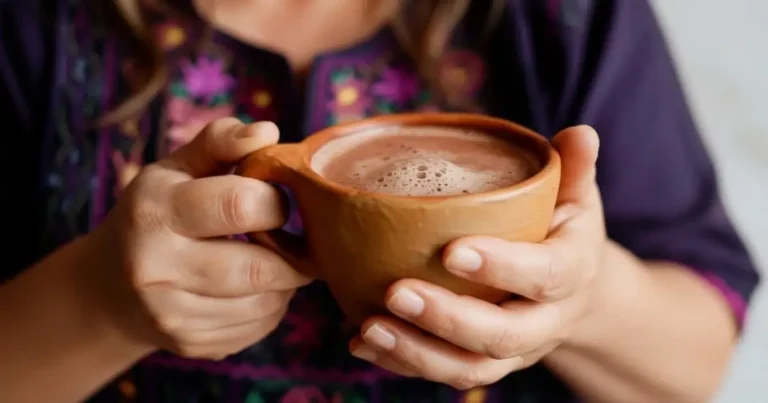
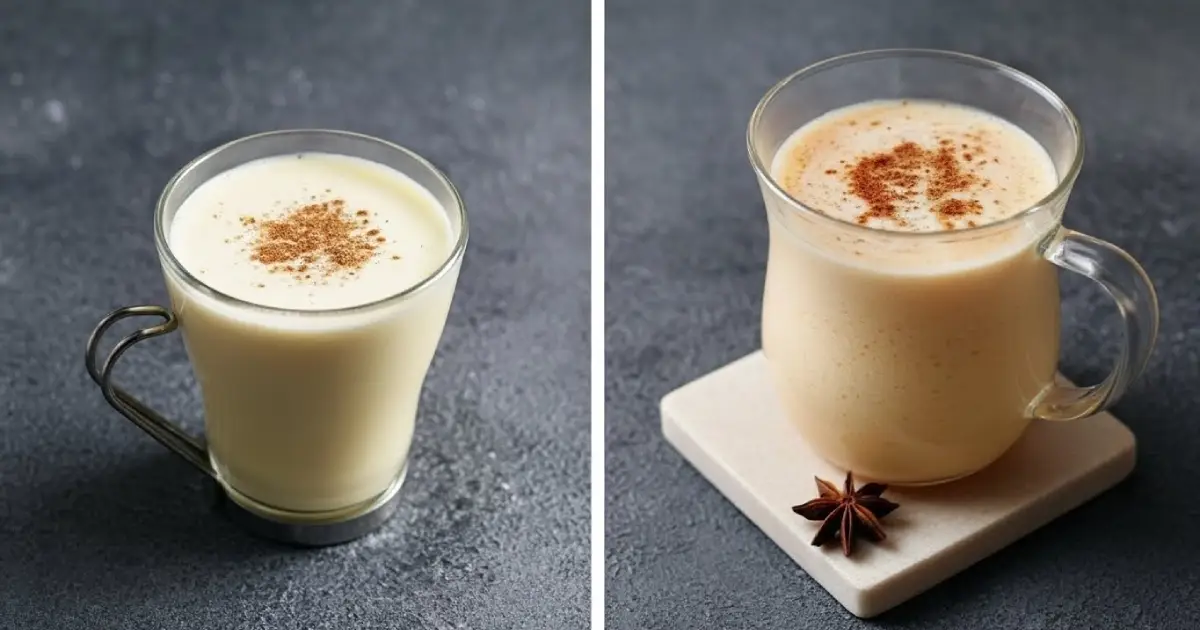
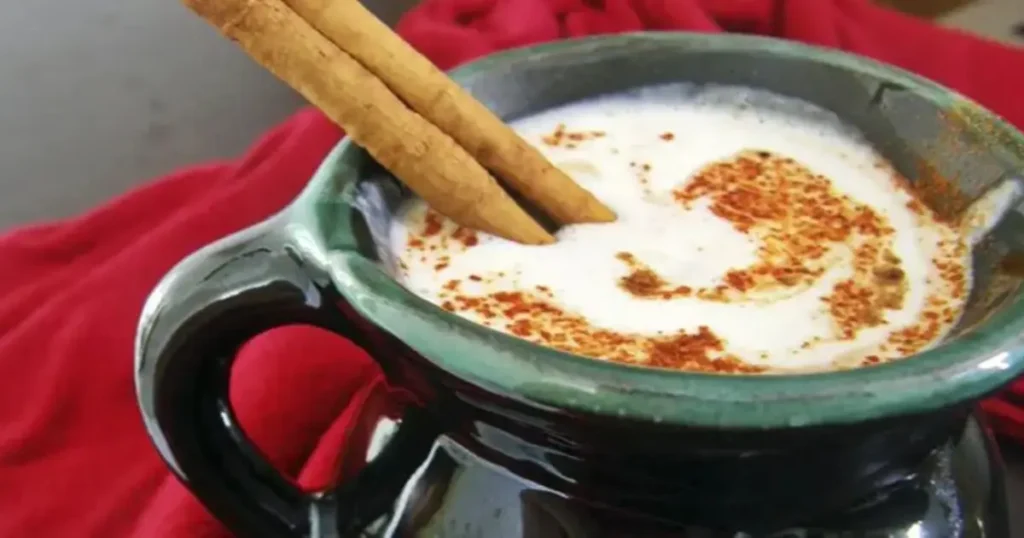
Ponche de leche emerges directly from this tradition. The use of fresh elote (corn) blended with milk creates a beverage that bridges pre-Columbian foodways with colonial-era dairy introductions. In the Department of Chiquimula, particularly during the cooler December nights, this drink has been served at posadas—the traditional Christmas processions reenacting Mary and Joseph’s search for shelter—for generations uncounted.
The Adopted Tradition: Eggnog’s Journey to Guatemala
The story of ponche de huevo in Guatemala reads like a cultural adoption case study. Eggnog itself traces to medieval Britain, where “posset”—a hot milk drink curdled with wine or ale—was consumed by the aristocracy. The drink evolved significantly in the American colonies, where rum replaced wine and the recipe became synonymous with Christmas festivities.
Today, ponche de huevo holds equal standing with native preparations in Guatemala City and Antigua Guatemala, demonstrating how traditions can be authentically adopted when filtered through local interpretation and family kitchens.
Ponche de Leche: The Chiquimula Tradition
The Department of Chiquimula, located in eastern Guatemala near the Honduran border, claims particular ownership of ponche de leche. Here, the drink accompanies buñuelos (fried dough fritters) as an inseparable pairing during holiday gatherings. The Chiquimula version emphasizes the corn’s natural sweetness, using minimal added sugar and allowing the grain’s inherent flavor to dominate.
Regional variations exist throughout Guatemala. Some preparations in the western highlands incorporate canela (Ceylon cinnamon) more aggressively, while coastal versions may add coconut milk for additional richness. The constant across all versions remains the fresh corn base—canned or frozen corn produces an inferior, starchy result that experienced cooks reject outright.
Ponche de Huevo: Urban Sophistication
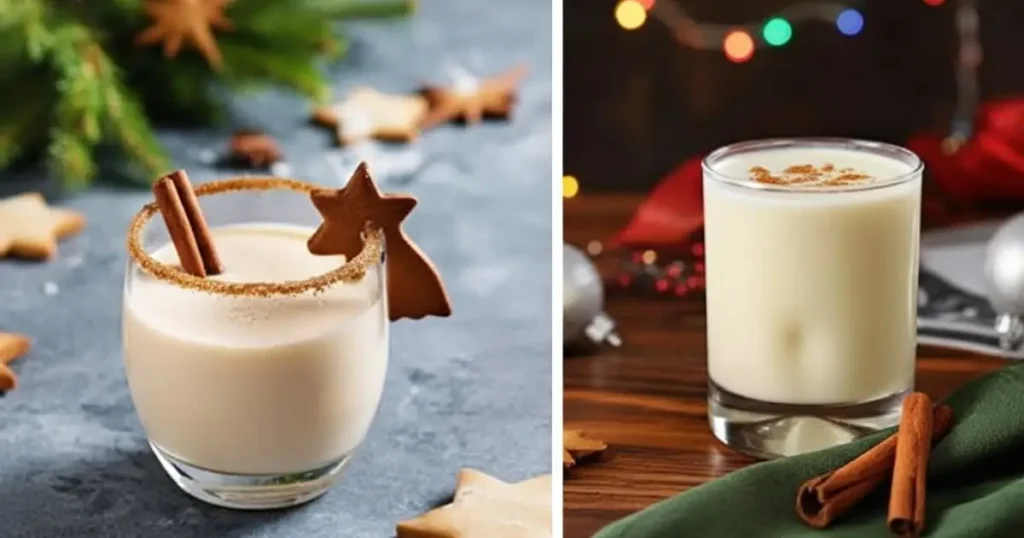
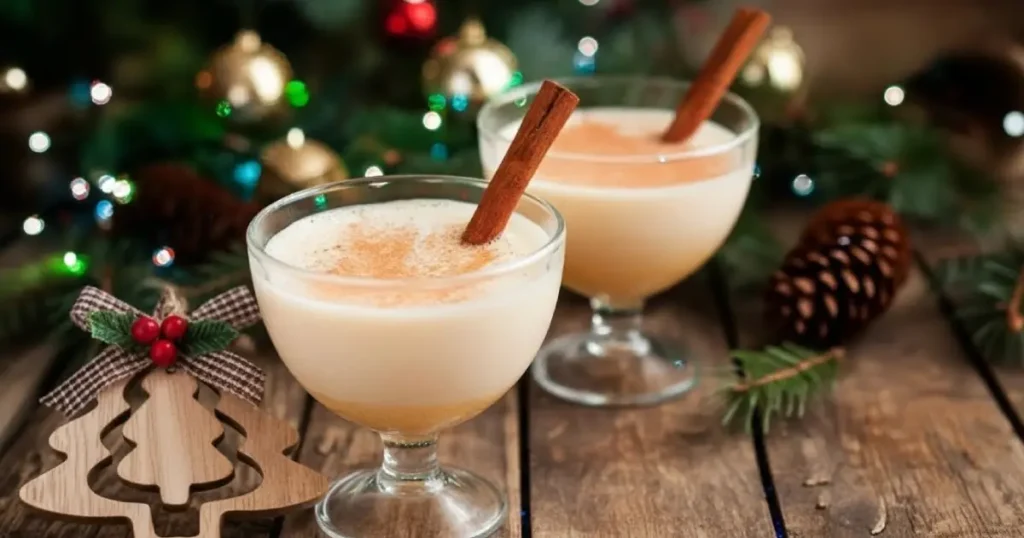
While ponche de leche maintains its rural, indigenous character, ponche de huevo has become associated with urban Guatemala, particularly the capital and Antigua. Families in these areas often add local aguardiente or rum to the adult version, creating a boozy variation that reflects the drink’s historical evolution from British posset.
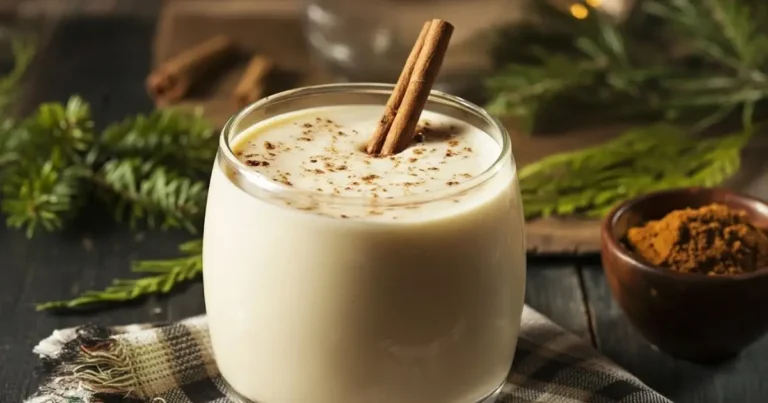
The Guatemalan version distinguishes itself from American eggnog through its spice profile. While both use nutmeg, the Guatemalan preparation emphasizes clavo (cloves) and incorporates both stick and powdered cinnamon—a nod to the nation’s proximity to historic spice trade routes through Central America.
Ingredients and Components
Ponche de Leche Ingredients
| Ingredient | Quantity | Function |
|---|---|---|
| Fresh corn (elote) | 1 ear | Base starch and flavor |
| Whole milk | 1/2 liter | Liquid base and richness |
| Sugar | 2 tablespoons | Sweetener |
| Cinnamon sticks | 2 | Aromatic spice |
| Star anise | To taste | Secondary aromatic |
| Orange zest | To taste | Citrus brightness |
Ponche de Huevo Ingredients
| Ingredient | Quantity | Function |
|---|---|---|
| Whole milk | 2 cups | Liquid base |
| Egg yolks | 4 | Richness and body |
| Heavy cream | 1 cup | Silkiness and fat content |
| Sugar | 1/2 cup | Sweetener |
| Cinnamon (stick or powdered) | To taste | Primary spice |
| Whole cloves | 2 | Aromatic depth |
| Nutmeg | To taste | Finishing spice |
| Vanilla extract | Optional | Flavor enhancement |
| Cocoa powder | Optional | Chocolate variation |
Step-by-Step Preparation
Ponche de Leche: Traditional Method
Yield: Approximately 4 servings | Time: 30 minutes
- Prepare the corn: Remove kernels from the ear of fresh corn using a sharp knife, cutting close to the cob to capture the milky liquid within each kernel. Discard the cob or reserve for stock.
- Blend the base: Combine the corn kernels with the half-liter of milk in a blender. Process on high speed for 60-90 seconds until completely smooth with no visible kernel pieces.
- Strain thoroughly: Pour the blended mixture through a fine-mesh strainer or cheesecloth into a heavy-bottomed pot. Use a spatula to press the solids, extracting maximum liquid. Discard the fibrous residue.
- Heat gently: Place the pot over low heat. Add the sugar and stir continuously until fully dissolved. Add one cinnamon stick and continue stirring.
- Simmer without boiling: Allow the mixture to heat until steaming but never reaching a full boil. Boiling will cause the proteins to separate and create an unpleasant texture. This stage requires approximately 15-20 minutes.
- Serve immediately: Ladle into warmed cups or mugs. Garnish each serving with a cinnamon stick, star anise, or orange zest. This drink does not hold well and should be consumed within an hour of preparation.
Ponche de Huevo: Proper Technique
Yield: Approximately 6 servings | Time: 45 minutes plus 1 hour chilling
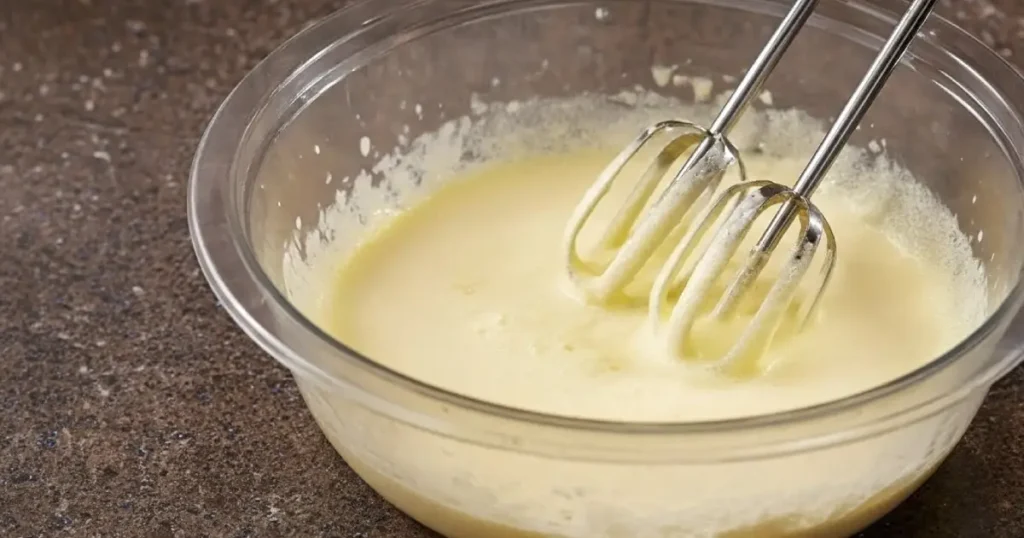
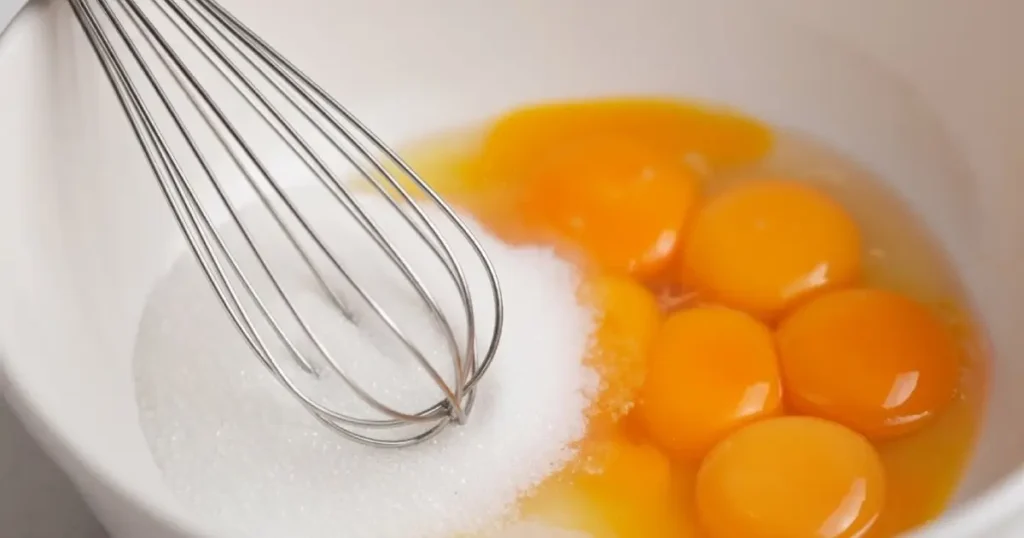
- Prepare the yolks: Separate the yolks from 4 eggs, reserving whites for another use. Place yolks in a large mixing bowl and beat vigorously with a whisk or electric mixer until lightened in color and slightly thickened, approximately 3 minutes.
- Incorporate sugar: While continuing to beat, add the sugar gradually in a steady stream. Continue beating until the mixture becomes pale, fluffy, and forms ribbons when the whisk is lifted—approximately 5 additional minutes. Allow to rest.
- Infuse the milk: In a separate saucepan, combine the milk, cinnamon stick, and cloves. Heat over low flame until the milk is steaming and aromatic but not boiling. This infusion should take 8-10 minutes.
- Temper the eggs: This step is critical. Remove the milk from heat. While whisking the yolk mixture continuously, add the hot milk in a very thin stream—initially just a tablespoon at a time. This gradual addition prevents the eggs from scrambling. Continue until all milk is incorporated.
- Thicken the mixture: Return the combined mixture to the saucepan (or use a clean pot) over the lowest possible heat. Stir constantly with a wooden spoon, scraping the bottom to prevent sticking. The mixture should thicken enough to coat the back of the spoon—approximately 10-15 minutes. Never allow it to boil.
- Add cream and strain: Remove from heat while still hot. Stir in the heavy cream until fully incorporated. Pour through a fine-mesh strainer to remove the whole spices and any small lumps of cooked egg.
- Chill and finish: Transfer to a clean container and refrigerate for at least one hour. Before serving, taste and adjust with vanilla, cocoa, or additional nutmeg as desired. Serve cold with a light dusting of nutmeg.
The Indegenous roots
Guatemalan Christmas drinks represent far more than seasonal refreshments—they are liquid archives of cultural history, family bonds, and national identity. The indigenous roots evident in ponche de leche, with its sacred corn base, stand alongside the adopted tradition of ponche de huevo, demonstrating Guatemala’s remarkable ability to absorb external influences while maintaining its cultural core.
These preparations demand respect: respect for ingredients, for technique, and for the generations of cooks who refined these recipes without written instructions or formal training. The low-and-slow philosophy that governs both preparations mirrors the broader Guatemalan approach to celebration—unhurried, communal, and deeply satisfying.