Pepián: Guatemala’s Intangible Culinary Treasure
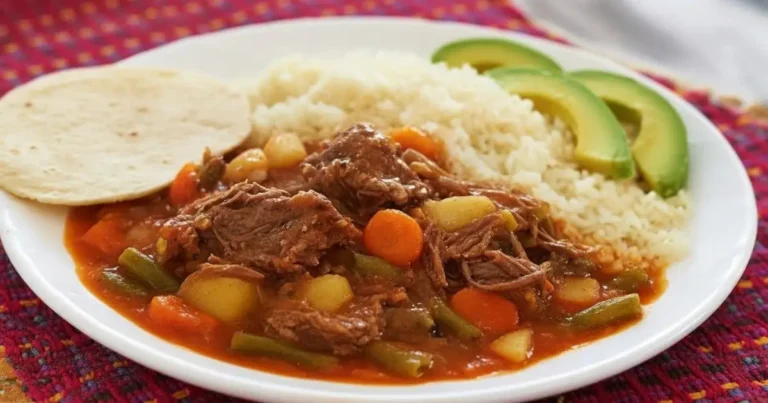
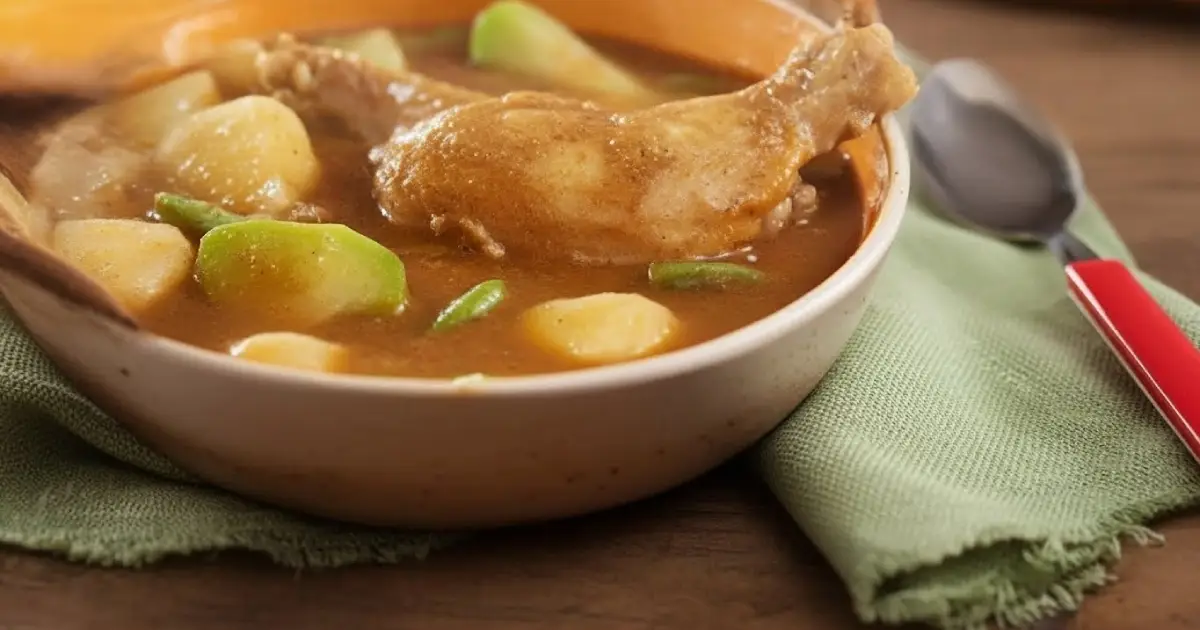
Pepián de pollo
Pepián stands as one of Guatemala’s most emblematic dishes—an ancestral stew whose origins lie deeply rooted in Maya Kaqchikel culture. Recognized as Intangible Cultural Heritage of the Nation in 2007, pepián represents centuries of culinary evolution, blending pre-Hispanic traditions with Spanish and Arab influences. This article explores its origins, variations, cultural recognition, essential ingredients, and traditional preparation.
Origins of Pepián
Pre-Hispanic and Maya Kaqchikel Roots
Pepián originated in the department of Chimaltenango and is firmly tied to the Maya Kaqchikel people. Historically, it played a vital role in ceremonial life.
Key cultural elements include:
- Served during major religious and political ceremonies in Maya society.
- Considered a pre-Hispanic guiso (stew) with deep indigenous meaning.
- Maintains traditional cooking methods emphasizing roasting and toasting spices.
Fusion of Cultures
The dish evolved significantly after Spanish colonization.
Elements of culinary fusion:
- Combined indigenous ritual condiments with Hispano-Arabic ingredients.
- Its development is associated with the rise of cofradías (religious brotherhoods) in the 16th century.
- Became the ceremonial food par excellence thanks to its symbolic richness.
Origin of the Name
The word pepián derives from pipián, a term colonizers used to describe dishes prepared with pepas or seeds—primarily pepitoria.
Cultural Heritage Recognition
National Status
In acknowledgment of its historical and cultural importance, pepián received official recognition as:
- Patrimonio Cultural Intangible de la Nación (Intangible Cultural Heritage of the Nation)
- Through Ministerial Agreement 801-2007, issued on November 26, 2007
Why Pepián is Culturally Important
- Deep Historical Roots – It reflects the continuity of Maya culinary traditions.
- Ceremonial Significance – Still served at weddings, funerals, and special celebrations.
- Culinary Symbolism – Represents early Guatemalan cultural fusion.
- Living Tradition – Continues to be prepared using ancient techniques such as roasting (asado) and toasting (tostado).
Variations of Pepián
Though its essence remains consistent, pepián exists in several regional and stylistic forms.
1. Variations by Color or Style
Pepián Negro (Black Pepián)
Characterized by intensely toasted ingredients.
Key features:
- Uses chile guaque seco and chile pasa seco
- Includes banana peel (cáscara de plátano)
- Deep, dark color from heavy roasting
- Thickened with cilantro during a long simmer
Pepián Rojo (Red Pepián)
A lighter, red-toned version.
Ingredient differences:
- Omits chile guaque and banana peel
- Adds more tomato, achiote, and chile pimiento
Pepián Café (Brown/Dark Pepián)
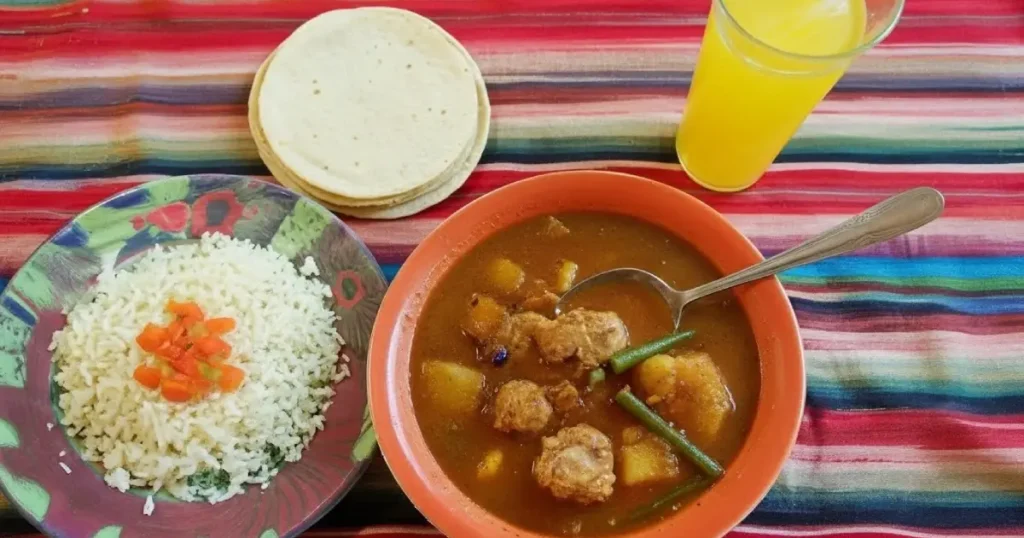
A preparation related to Pepián Rojo but with a darker hue resulting from moderate roasting.
2. Variations by Protein
Pepián can be made with multiple meats.
Common protein options:
- Chicken
- Beef rib
- Pork
- Veal
- Pepián de tres carnes (three-meat combination)
3. Regional Variations
Different regions of Guatemala prepare pepián with slight variations in:
- Level of spiciness
- Roasting intensity
- Vegetable selection
Despite differences, the toasting of seeds and spices remains essential.
Required Ingredients for Pepián
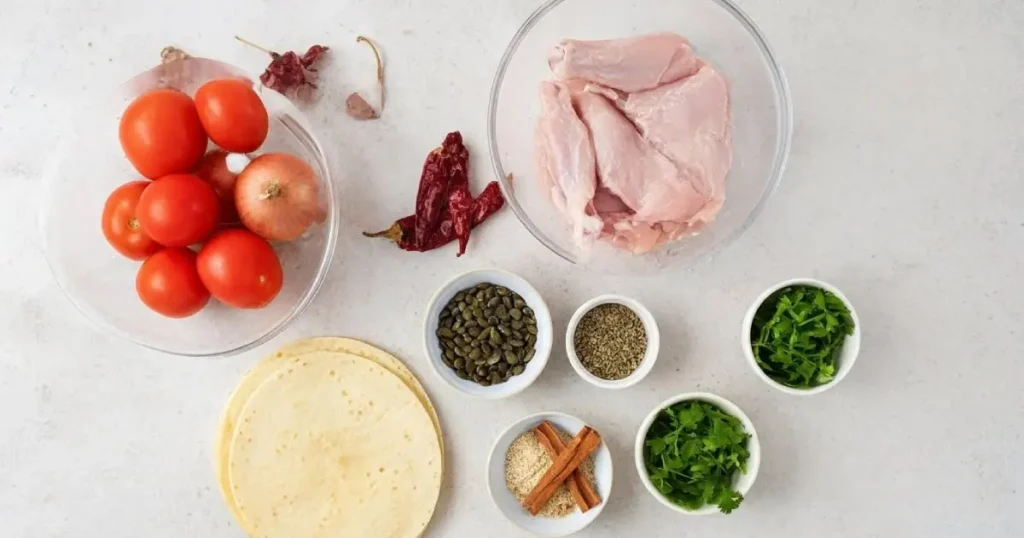
1. Primary Components
- 2 lbs of meat of choice (chicken, beef rib, pork, veal, or mixed)
- 1–2 liters of water for the broth
- Salt and pepper to taste
2. Recado (Sauce Base) Ingredients
These are traditionally toasted on a comal:
Seeds
- Sesame seeds (ajonjolí) – 2 oz
- Pepitoria verde – 2 oz
Chiles
- Chile guaque seco – 1
- Chile pasa seco – 1
Vegetables
- Tomato – 4
- Miltomate – 1 cup
- Onion – 1
Aromatics and Spices
- Garlic – 3 cloves
- Cinnamon stick – 1
- Allspice – 4 pieces
- Cloves – 2
Other Elements
- Banana peel – 1
- Bread (8 pieces) or rice flour (as thickener)
3. Vegetables for the Stew
- Chayote (güisquil) – ½ unit
- Green beans (ejotes) – ½ lb
- Potatoes – ½ lb
- Carrots
- Onion stems
4. Flavoring and Thickening Agents
- A bunch of cilantro
- Bread or rice flour for consistency
5. Variation-Specific Ingredients
- Pepián Negro: chile guaque + banana peel
- Pepián Rojo: achiote, tomato, chile pimiento
Traditional Cooking Instructions
1. Prepare the Meat and Broth
- Place 2 lbs of meat in a pot with 1–2 liters of water.
- Add salt and cilantro.
- Skim off excess fat during cooking.
- Add vegetables gradually:
- First green beans
- Then chayote
- Then potatoes
- Cook until vegetables are soft.
2. Prepare the Recado (Sauce Base)
- Toast seeds (ajonjolí, pepitoria).
- Roast chiles (guaque and pasa).
- Roast tomatoes, miltomate, onion, garlic, cinnamon, and banana peel.
- Blend everything with a portion of the meat broth until smooth.
3. Combine and Thicken
- Add the blended recado to the pot with broth.
- Boil for ~30 minutes with a bunch of cilantro to thicken.
- Add cooked meat and vegetables back in.
- Simmer until the stew reaches a thick, rich consistency.
Pepián Rojo Variation
- Omit chile guaque and banana peel.
- Add extra tomato, achiote, and chile pimiento.
Serving Suggestions
- White rice
- Avocado
- Tortillas
- White tamalitos
Conclusion
Pepián is more than a stew—it is a culinary symbol of Guatemala’s identity. From its ancient Maya Kaqchikel origins to its recognition as Intangible Cultural Heritage, the dish carries history, tradition, and cultural pride in every serving. Whether prepared as Pepián Negro, Rojo, or Café, its rich, seed-based recado and ceremonial significance make it a timeless treasure of Guatemalan cuisine.