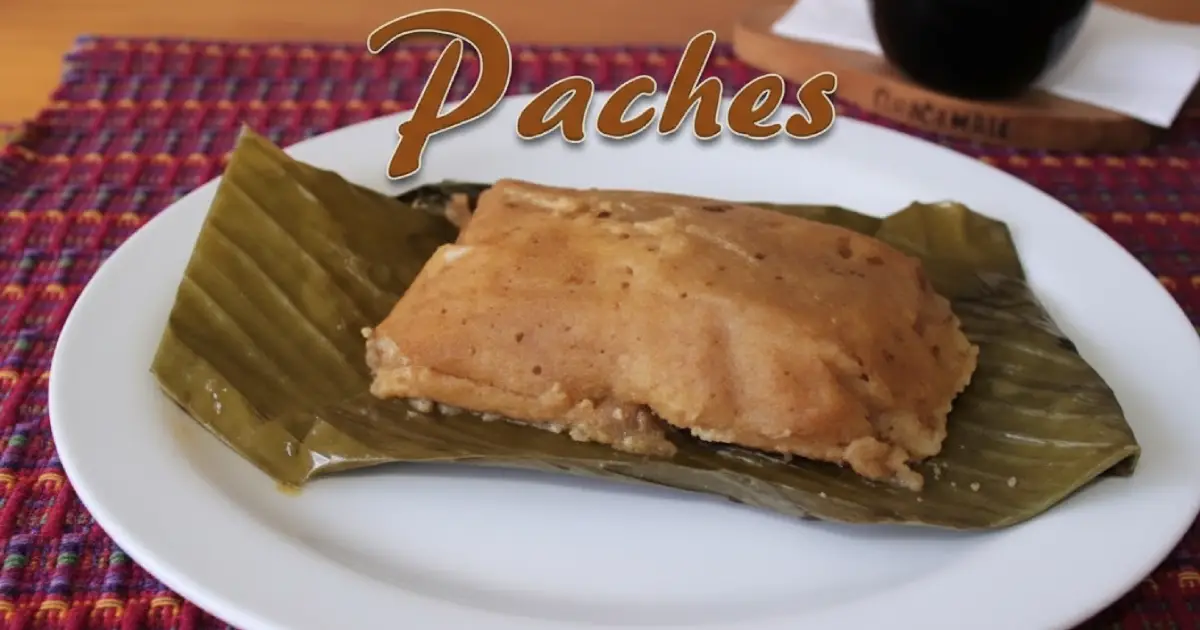
Paches: Traditional Guatemalan Potato Tamales
The Complete Guide to Guatemala Potate Paches
In the highland city of Quetzaltenango, where morning mists roll over volcanic peaks and cobblestone streets echo with centuries of Maya-K’iche’ heritage, a humble dish tells the story of adaptation, ingenuity, and cultural identity. The pache—Guatemala’s potato-based answer to the corn tamale—represents far more than sustenance. It is a culinary bridge between indigenous tradition and regional resourcefulness, a dish born from abundance and refined through generations of skilled hands.
While corn has long dominated Mesoamerican cuisine, the western highlands of Guatemala offered a different bounty. Here, where cool temperatures and fertile volcanic soil created ideal growing conditions, potatoes flourished in such quantities that home cooks began experimenting with this starchy tuber as a tamale base. The result was transformative: a silkier, denser, and more aromatic version of the beloved tamal that would eventually captivate the entire nation.
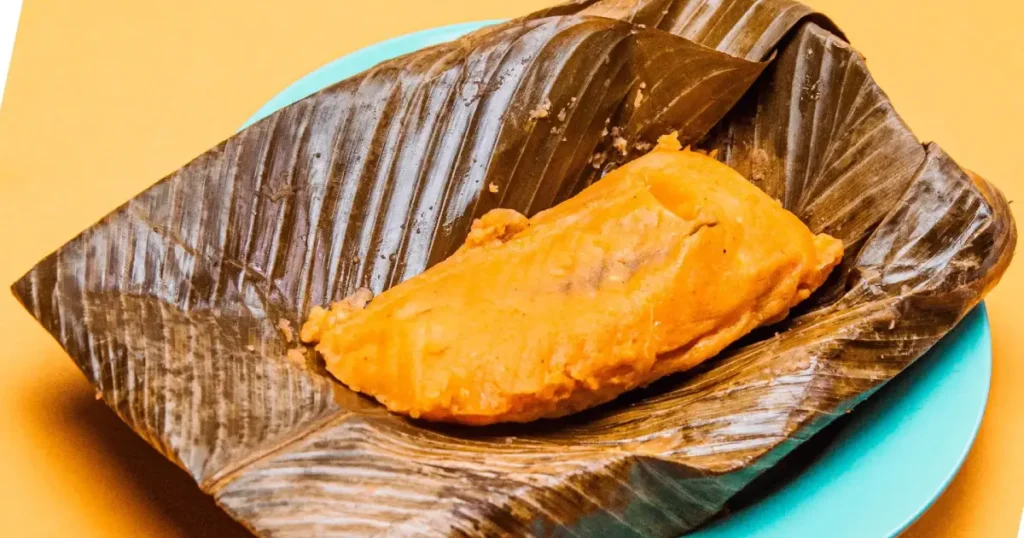
Historical and Cultural Background
The Birth of a Regional Icon
The story of paches begins in the western highlands of Guatemala, specifically in Quetzaltenango—affectionately known as Xela (pronounced SHAY-la) by locals. This city, Guatemala’s second largest, sits at an elevation of nearly 2,400 meters, surrounded by municipalities where potato cultivation has thrived for centuries. The cool climate, volcanic soil rich in minerals, and consistent rainfall created conditions so favorable for potato farming that the tuber became a defining agricultural product of the region.
Indigenous K’iche’ and Mam communities, who had long prepared corn-based tamales as ceremonial and everyday food, recognized an opportunity in their potato surplus. Rather than viewing the potato as merely a side dish or soup ingredient, they began experimenting with it as a primary masa component. The result was revolutionary within the context of Mesoamerican cuisine: a tamale that retained the wrapped, steamed format of its corn-based predecessor while offering an entirely different texture and flavor profile.
Etymology and Linguistic Roots
The name pache itself carries linguistic significance. In Guatemalan Spanish, the word pache (and its diminutive pacheco) describes something flat, stretched, or compressed—an apt description for the mashed, spread potato dough that forms the tamale’s base. This etymological connection reinforces the dish’s identity: unlike the granular texture of nixtamalized corn masa, potato masa must be thoroughly crushed and smoothed, creating that characteristic flatness before wrapping.
Interestingly, pache also serves as regional slang describing a person or object of short stature—a linguistic quirk that adds another layer of cultural personality to the dish’s name.
The Thursday Tradition
Perhaps no aspect of pache culture resonates more deeply than jueves de paches—Paches Thursday. This weekly custom has achieved near-universal observance throughout Guatemala, functioning as the nation’s equivalent to Taco Tuesday in the United States. Every Thursday, markets, street vendors, and home kitchens across the country dedicate themselves to pache production, with families gathering to enjoy the dish as both a midweek treat and a connection to collective identity.
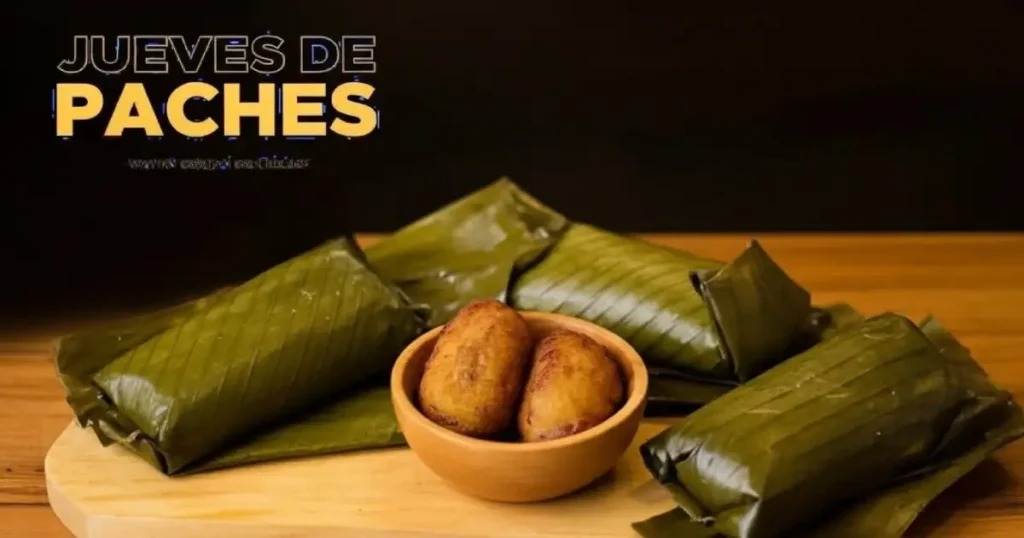
The origins of this Thursday tradition remain somewhat mysterious, though practical explanations abound. Some historians suggest that Thursday preparations allowed families to use leftover ingredients from the week while reserving Fridays for fish during Catholic Lenten observances. Others point to market cycles in Quetzaltenango, where Thursday markets historically featured fresh potato supplies. Regardless of origin, the tradition has calcified into cultural bedrock—missing jueves de paches feels, to many Guatemalans, like missing Christmas dinner.
Main Concept: Understanding the Pache
Anatomy of an Authentic Pache
At its core, the pache represents a structural departure from traditional tamales colorados while maintaining familial connection. Three components define every authentic pache:
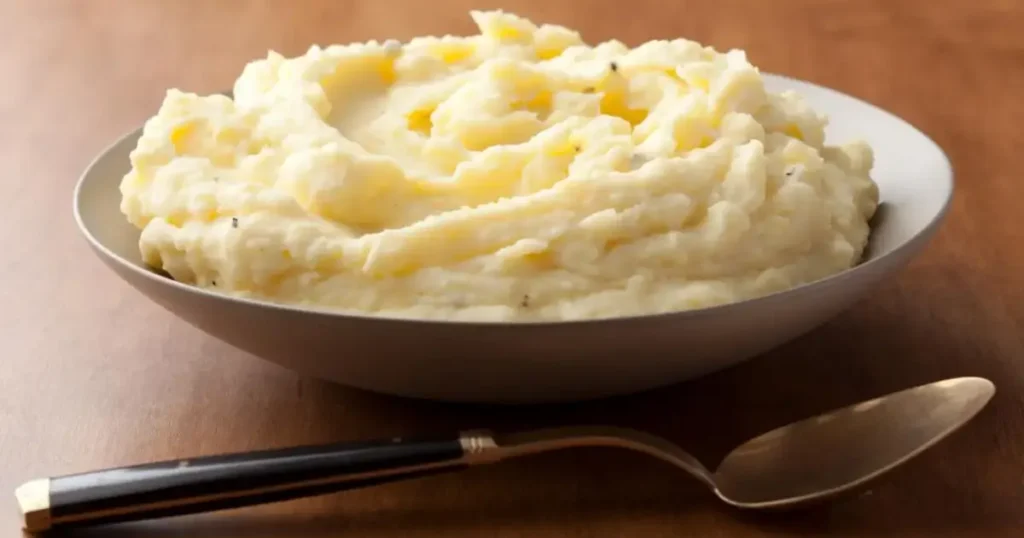
The Masa (Dough): Unlike corn-based tamales that rely on nixtamalized maize, paches utilize cooked, mashed potatoes as their foundation. This purée is enriched with fat (traditionally lard, though vegetable oil works for modern preparations) and breadcrumbs derived from soaked Guatemalan French bread.
The Recado (Sauce): This savory, tomato-based sauce provides the pache’s signature flavor complexity. Composed of roasted tomatoes, miltomate (tomatillos), multiple chile varieties, onion, garlic, and an aromatic spice blend, the recado distinguishes paches through a crucial technique: unlike traditional tamales where sauce surrounds a central meat portion, pache recado is mixed directly into the potato masa.
The Relleno (Filling): Pre-cooked chicken or pork provides the protein center. The meat is typically cubed, seasoned, and seared before assembly, ensuring each bite delivers satisfying substance against the soft potato exterior.
What Makes Paches Unique
The integration of recado into masa represents the defining technical distinction between paches and their corn-based relatives. In a traditional tamal colorado, the recado and meat occupy the center, surrounded by neutral corn masa—each bite offers layered contrast. The pache inverts this logic: by incorporating the sauce throughout the potato base, every portion delivers complete flavor without requiring perfect centering of fillings.
This technique also affects texture and moisture content. The potato masa absorbs and retains the recado’s fats and aromatics, creating a richer mouthfeel that some describe as almost creamy when properly prepared. The result is a more homogeneous eating experience, though skilled preparation still ensures distinct textural moments between the silky masa and toothsome meat filling.
Variations, Regional Styles, and Expert Techniques
Paches de Xela: The Original
The original Quetzaltenango version represents pache-making in its purest form. Here, the masa combines only potatoes and bread—no corn flour adulterates the formula. Home cooks in Xela often use a higher proportion of bread, creating a slightly firmer texture that holds together beautifully during unwrapping. The recado in Xelaju paches tends toward complexity, with local cooks incorporating regional chile varieties and extended cooking times that concentrate flavors.
Xela-style paches also frequently feature larger portions and more generous meat-to-masa ratios. This generosity reflects both regional agricultural abundance and cultural attitudes toward hospitality—a Quetzaltenango pache should feel substantial, almost celebratory in its heft.
Paches de la Capital: The Guatemala City Adaptation
As paches migrated to Guatemala City, cooks adapted the recipe to local preferences and ingredient availability. The capital’s version introduces instant corn flour (harina de maíz) alongside potatoes and breadcrumbs, creating a masa with subtle textural differences. This addition provides structural stability—helpful when producing paches at commercial scale—and introduces a faint corn undertone that bridges the gap between traditional tamales and potato-based innovation.
Capital-style paches often appear slightly smaller than their highland counterparts, reflecting urban portion expectations and the practical realities of street food vending. The recado may also trend sweeter, incorporating more tomato relative to chile, accommodating broader palates in the cosmopolitan capital.
Expert Technique Variations
Skilled pache makers employ several advanced techniques that distinguish exceptional preparations:
Recado Aging: The finest paches utilize recado prepared two to three days in advance. This aging allows flavors to marry and mellow, reducing harsh acidic notes while deepening aromatic complexity. The recado thickens during refrigeration, making it easier to incorporate into masa without adding excess moisture.
Potato Selection: Not all potatoes perform equally. Starchy varieties like Russets or local Guatemalan papa criolla produce the smoothest masa, while waxy potatoes can result in gummy, unpleasant textures. Expert cooks select potatoes carefully and mash them while still hot—cold potatoes resist smooth puréeing and can develop undesirable glueyness.
Leaf Preparation: Banana leaves require proper softening before use. Professional cooks pass leaves briefly over open flame or submerge them in boiling water until pliable. Improperly prepared leaves crack during wrapping, allowing steam to escape and compromising the cooking process.
Ingredients and Key Elements
Complete Ingredient Breakdown
For the Masa (yields approximately 20-25 paches):
- 8-10 pounds starchy potatoes
- 1 pound Guatemalan French bread (or substitute baguette)
- 1 cup lard or vegetable oil
- Salt to taste
- Optional: ½ cup instant corn flour (for capital-style)
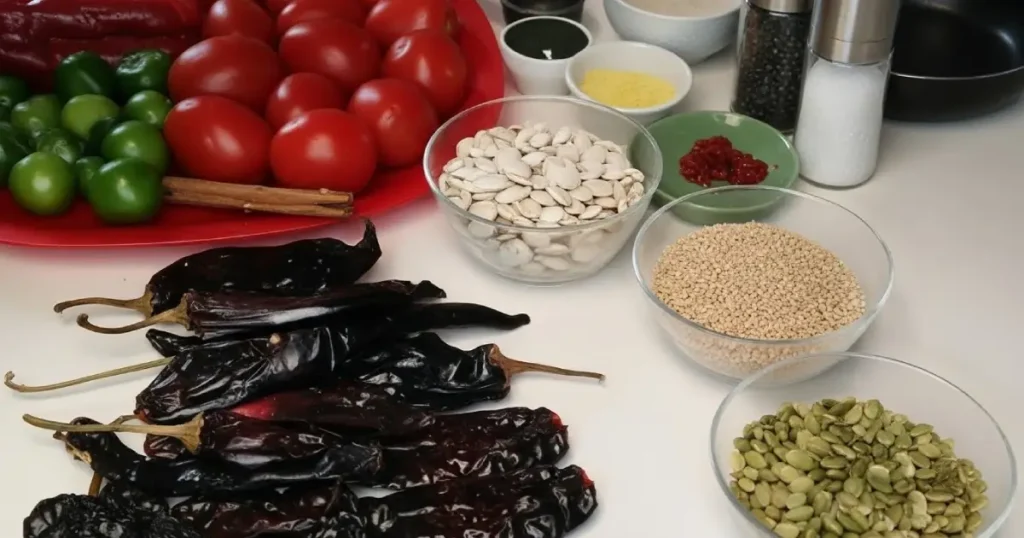
For the Recado:
- 2 pounds ripe tomatoes
- ½ pound miltomate (tomatillos)
- 4-6 chile guaque (guajillo chiles)
- 2-3 chile pasa (pasilla or ancho chiles)
- 1 medium white onion, quartered
- 6 garlic cloves
- 2 red bell peppers
- 2 tablespoons achiote paste
- ¼ cup pepitoria (toasted pumpkin seeds)
- 1 teaspoon whole cumin
- 4-5 whole cloves
- ½ teaspoon black peppercorns
- 2 tablespoons chicken bouillon powder
- Salt to taste
For the Relleno:
- 3 pounds boneless chicken thighs or pork shoulder
- Lard or butter for frying
- Salt and pepper
- Optional: roasted sweet peppers for garnish
For Assembly:
- 25-30 banana leaves, cleaned and softened
- Cibaque (dried corn husk strips) or kitchen twine
Expert Notes on Key Ingredients
Chile Guaque: This dried chile, equivalent to the Mexican guajillo, provides the recado’s backbone—mild heat, deep red color, and subtle fruity sweetness. Source quality dried chiles with flexible, pliable texture; brittle chiles indicate age and diminished flavor.
Miltomate: These small green tomatillos add brightness and acidity that balances the recado’s richness. Fresh miltomate delivers superior results, though canned tomatillos work acceptably. Remove papery husks and rinse away sticky residue before use.
Pepitoria: Toasted pumpkin seeds contribute body and nutty depth to the recado. Toast them gently until fragrant but not browned—burnt pepitoria introduces bitter notes that overwhelm other flavors.
Achiote: This annatto-based paste provides both color and a distinctive earthy, slightly peppery flavor essential to authentic Guatemalan cooking. Commercial achiote paste works well; adjust quantity based on brand concentration.
Step-by-Step Instructions
Phase One: Prepare the Recado (2-3 Days Ahead)
- Toast the chiles. Heat a dry comal or cast-iron skillet over medium heat. Press each chile flat against the surface for 15-20 seconds per side until fragrant and slightly darkened. Remove stems and seeds, then soak chiles in hot water for 30 minutes until softened.
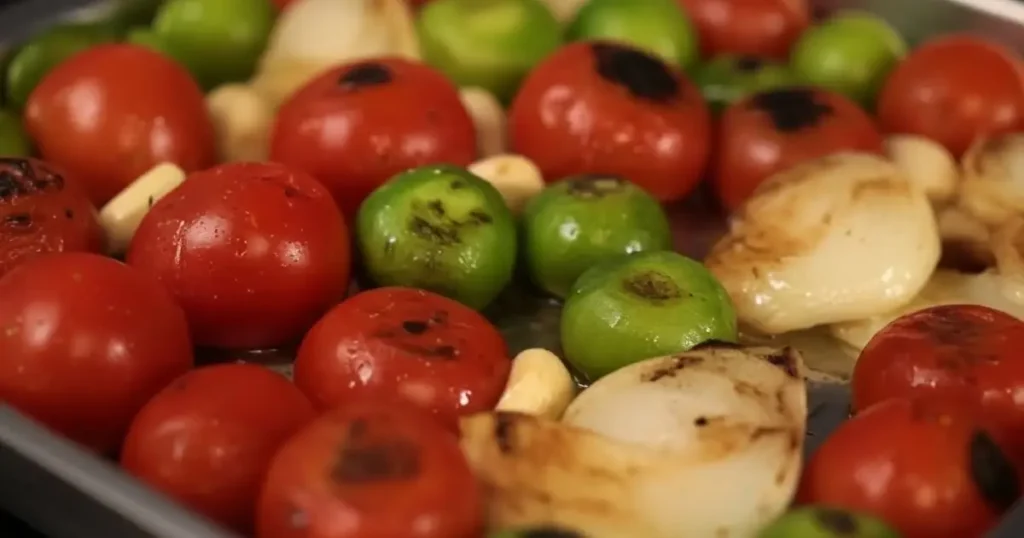
- Roast the vegetables. Place tomatoes, miltomate, onion, garlic, and bell peppers on a baking sheet. Broil 6 inches from heat, turning occasionally, until charred on all sides—approximately 15-20 minutes.
- Blend the recado. Combine roasted vegetables, soaked chiles, pepitoria, achiote, cumin, cloves, peppercorns, and bouillon in a blender. Process until completely smooth, adding chile soaking liquid as needed to achieve a pourable consistency.
- Strain and cook. Pass the blended mixture through a fine-mesh strainer, pressing to extract maximum liquid. Heat 3 tablespoons lard in a large, heavy pot over medium-high heat. Add strained recado carefully (it will spatter). Reduce heat to medium-low and cook, stirring frequently, for 45-60 minutes until thickened and darkened. Season with salt. Cool completely and refrigerate.
Phase Two: Prepare Components (Day Before)
- Cook the meat. Season chicken or pork generously with salt and pepper. Heat lard in a large skillet over medium-high heat. Sear meat in batches until golden on all sides. Reduce heat, add ¼ cup recado, and cook covered until meat reaches 165°F internal temperature. Cool, then cut into 1.5-inch pieces. Refrigerate.
- Prepare the bread. Cut French bread into chunks, removing any very hard crusts. Soak in warm water for 15 minutes until completely softened. Squeeze firmly to remove excess water, then process in a food processor until forming a thick paste.
- Prepare banana leaves. Wipe leaves with a damp cloth to remove residue. Cut into approximately 12×15-inch rectangles, removing the tough center rib. Pass each piece briefly over an open flame or dip in boiling water until pliable. Stack and cover with a damp towel.
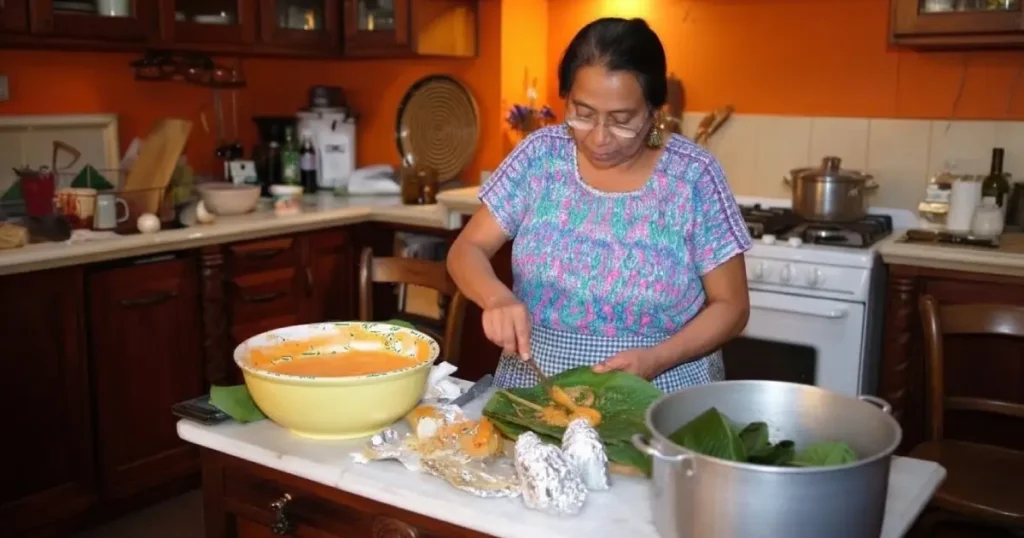
Phase Three: Make the Masa (Assembly Day)
- Cook the potatoes. Boil whole, unpeeled potatoes in heavily salted water until completely tender when pierced with a knife—approximately 25-35 minutes depending on size. Drain thoroughly.
- Mash immediately. While still hot, peel potatoes (use a towel to protect hands) and pass through a ricer or food mill into a large bowl. Alternatively, mash vigorously with a potato masher until no lumps remain.
- Incorporate remaining ingredients. Add prepared bread paste, lard, and 2 cups recado to the hot potato purée. Mix thoroughly with a wooden spoon or clean hands until completely homogeneous. The masa should be smooth, spreadable, and uniformly reddish in color. Taste and adjust salt. If using corn flour for capital-style, add now and mix well.
Phase Four: Assembly and Cooking
- Set up your station. Arrange softened banana leaves, masa, meat pieces, cibaque or twine, and any optional garnishes (roasted pepper strips, olives, or capers) within easy reach.
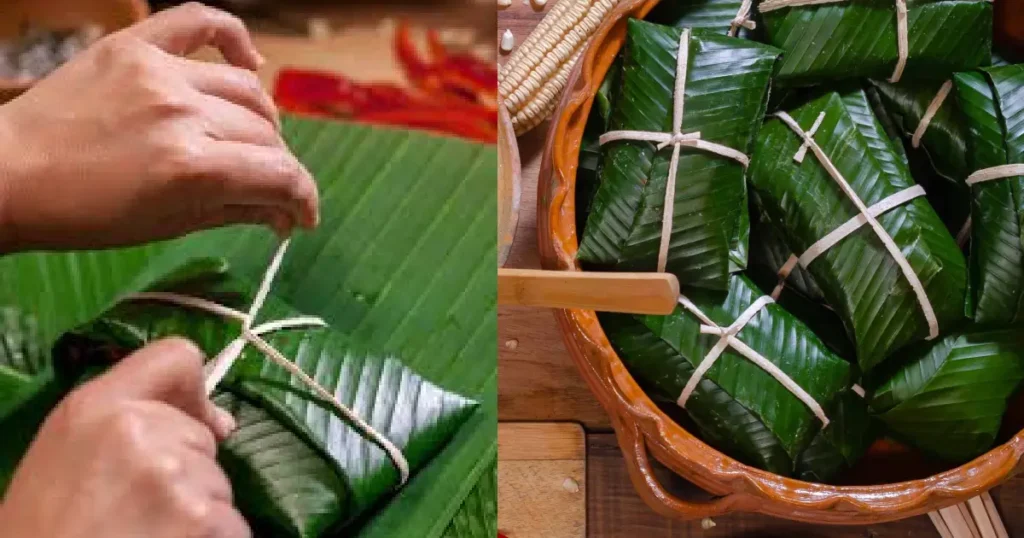
- Assemble each pache. Place approximately ¾ cup masa in the center of a banana leaf. Spread into a rough rectangle, about 4×6 inches. Place 2-3 pieces of meat in the center along with optional garnishes. Fold the long sides of the leaf over the filling, then fold the short ends underneath, creating a neat rectangular package. Secure with cibaque or twine.
- Steam the paches. Line a large tamale steamer or stock pot with extra banana leaves. Arrange paches in layers, seam-side down, leaving small gaps for steam circulation. Cover with additional leaves and a tight-fitting lid. Steam over boiling water for 2.5-3 hours, checking water level periodically and adding more as needed.
- Test for doneness. A properly cooked pache will separate cleanly from the banana leaf when unwrapped, with masa that is slightly firm yet creamy. If masa sticks significantly, continue steaming in 15-minute increments.
- Rest and serve. Allow paches to rest 10 minutes after steaming before serving. Serve hot or at room temperature with a wedge of lime.
Expert Tips and Common Mistakes
Critical Success Factors
Temperature matters for potato mashing. This cannot be overstated: mash potatoes immediately after draining while they remain steaming hot. Cold or even warm potatoes release starch differently, resulting in gluey, unpleasant masa that no amount of mixing will correct. If potatoes must wait, keep them in their hot cooking water until ready to process.
Don’t skip the bread component. Some modern recipes attempt to simplify paches by eliminating breadcrumbs. This shortcut compromises both texture and structural integrity. The bread absorbs fat and moisture, creating the cohesive masa that holds together beautifully during eating. Without it, paches can turn dense or fall apart when unwrapped.
Recado concentration affects everything. A thin, watery recado will create soggy masa that refuses to set properly during steaming. Cook your recado until it coats a spoon thickly—this concentrated sauce integrates properly with potato without adding excess moisture.
Common Mistakes to Avoid
Over-processing the masa: While lumps are undesirable, over-working potato masa (especially in a food processor) activates starch excessively, creating gummy results. Use a ricer for smoothest texture with minimal manipulation.
Insufficient cooking time: Impatient cooks often remove paches prematurely. Undercooked paches taste starchy and raw, with masa that sticks frustratingly to leaves. When in doubt, extend cooking time—properly wrapped paches won’t overcook.
Wrapping too tightly: Banana leaves need room to breathe during steaming. Overly tight wrapping prevents proper heat penetration and can cause uneven cooking. Aim for secure but not constricting packages.
Neglecting leaf preparation: Raw, stiff banana leaves crack during folding, ruining the seal and allowing steam to escape. Always soften leaves thoroughly before assembly.
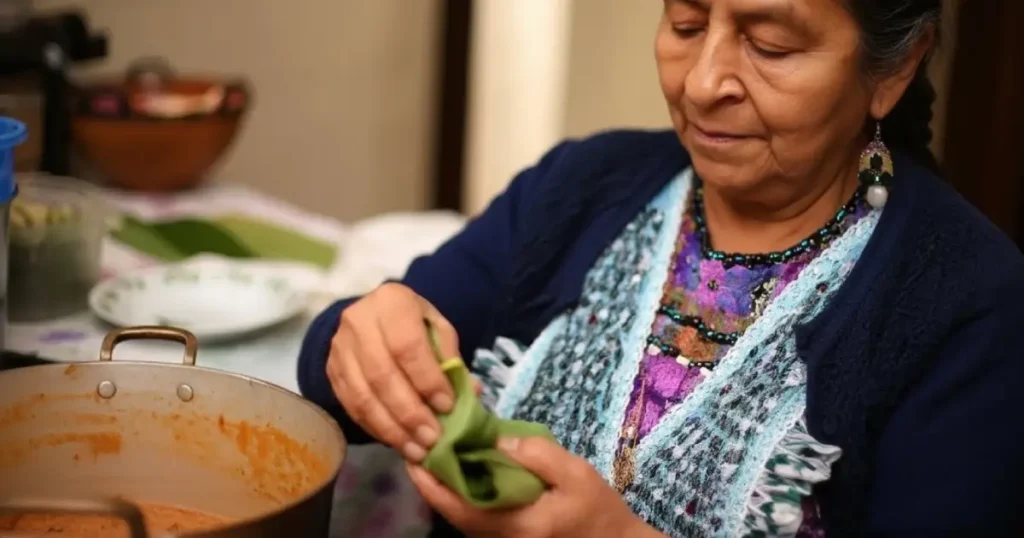
Tamales From Quetzaltenango
The pache stands as testament to Guatemala’s culinary creativity—a dish born from abundance and refined through generations into something approaching perfection. From its highland origins in Quetzaltenango to its weekly celebration across the nation every Thursday, this potato tamale embodies the intersection of indigenous tradition, regional identity, and everyday sustenance.
What distinguishes the pache extends beyond mere ingredient substitution. The integration of recado into masa, the specific handling of potato starch, the ritual of banana leaf wrapping—each element contributes to a dish that rewards both casual enjoyment and serious study. For home cooks willing to invest time in proper technique, the pache offers deeply satisfying returns: rich, aromatic, and utterly distinctive.
Understanding paches means understanding something essential about Guatemalan food culture: that innovation and tradition coexist comfortably, that regional pride matters, and that weekly rituals bind communities across generations. Whether prepared in a Quetzaltenango kitchen using centuries-old family techniques or in a Guatemala City apartment following adapted methods, the pache delivers the same fundamental experience—warmth, nourishment, and connection to something larger than any single meal.
For those continuing to explore the rich traditions of Guatemala Food, the pache offers not just a recipe but an entry point into deeper cultural appreciation. Learn to make it well, share it generously, and you participate in something authentically Guatemalan—no matter where your kitchen may be.