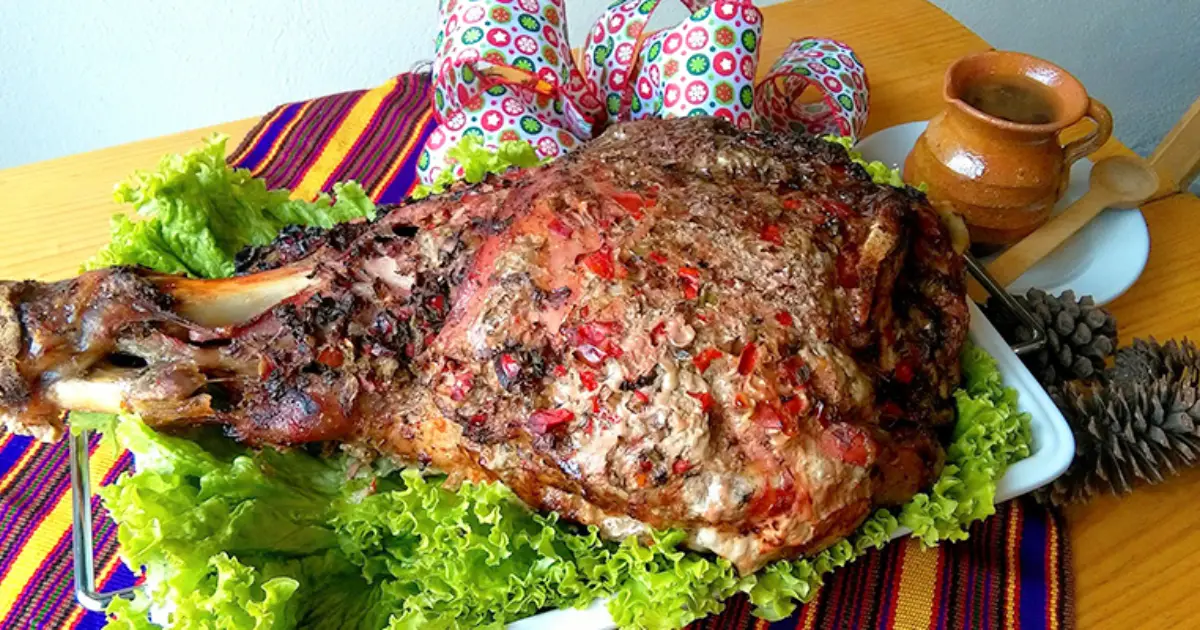
Roast Pork Leg: The Complete Guide
Spanish colonial Origins “The Pernil”
Few dishes capture the soul of Guatemalan celebration quite like pierna de cerdo horneada—the slow-roasted pork leg that transforms Christmas and New Year’s tables into feasts of extraordinary abundance. This is not merely a recipe; it is a living chronicle of cultural exchange, a dish born from Spanish colonization yet wholly reimagined through Guatemalan hands, local spices, and centuries of family tradition.
The preparation of pernil demands patience, intentionality, and respect for process. Unlike quick-roasted proteins, this centerpiece requires a full day of marination, strategic stuffing with chorizo and longaniza, and hours of careful basting to achieve its signature balance of succulent interior and caramelized crust. For those exploring the depths of Central American gastronomy, resources like Guatemala Food offer invaluable windows into this culinary heritage.
What makes the Guatemalan approach distinctive is its philosophy of building flavor from within. Rather than relying solely on surface seasonings, cooks pierce the meat and embed savory treasures—olives, capers, sausages—throughout the leg, ensuring that every slice reveals an unexpected dimension of taste. It is, in essence, a technique that transforms roasting into an act of culinary architecture.
Historical and Cultural Background
The Journey of the Pig to the Americas
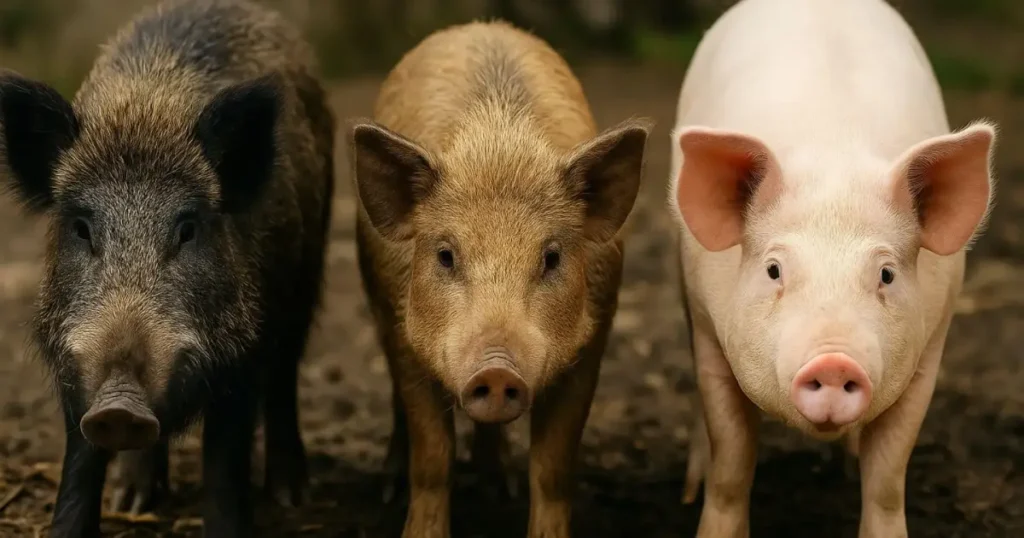
The story of Guatemalan roast pork leg begins not in Central America but in the ancient civilizations of China and the Near East, where pigs were among the first animals domesticated by humans thousands of years ago. These animals became central to European culinary traditions, particularly in Spain, where the roasting of large cuts of pork—known as pernil—evolved into a celebratory custom reserved for significant occasions.
When Spanish conquistadors arrived in the Americas during the sixteenth century, they brought pigs as a portable protein source. The animals adapted remarkably well to the new environment, proliferating across the continent and becoming an essential food source for colonial populations. The tradition of roasting whole legs of pork traveled alongside these animals, establishing roots in Guatemala and throughout Latin America.
From European Custom to Guatemalan Tradition
It is critical to understand that pierna de cerdo horneada is not a pre-Hispanic dish. Indigenous Guatemalan cuisine centered on different proteins—turkey, deer, fish, and game—prepared with techniques and flavors developed over millennia. The roast pork leg represents instead a colonial import that underwent profound transformation.
Guatemalan cooks accepted the Spanish framework but rejected its flavor limitations. They introduced marinades featuring achiote (annatto), bitter orange, garlic, cumin, and regional chiles—ingredients that had no place in traditional Spanish preparations. The technique of stuffing the meat with local sausages and Mediterranean preserves like olives and capers created a hybrid dish that honored its European origins while declaring its Guatemalan identity.
Modern Ceremonial Significance
Today, the roast pork leg stands as what culinary historians call a “pillar of modern Guatemalan family dinners.” Its appearance on the table signals celebration, abundance, and the gathering of extended family. During Christmas Eve (Nochebuena) and New Year’s Eve, the dish anchors elaborate spreads that typically include black and red tamales, rompopo (a rum-spiked eggnog), ponche de frutas, and an array of traditional sweets.
The preparation itself has become a family ritual. Grandmothers teach daughters and granddaughters the proper technique for piercing the meat, the correct ratio of stuffing ingredients, and the patience required for overnight marination. In this way, the dish transmits not only flavor but also cultural memory across generations.
Understanding the Pernil: Core Concepts and Technique
The Philosophy of Internal Flavor Building
The defining characteristic of Guatemalan roast pork leg is its approach to seasoning from the inside out. Consider the limitation of surface marinades: they penetrate only millimeters into dense muscle tissue, leaving the interior of large cuts relatively bland. Guatemalan technique solves this problem architecturally.
By piercing deep holes throughout the leg and filling them with intensely flavored ingredients—fatty sausages, briny capers, meaty olives—the cook creates internal flavor reservoirs. As the meat roasts, fat from the chorizo and longaniza melts and bastes the surrounding tissue from within. Simultaneously, the salt and brine from the capers and olives migrate outward, seasoning the meat at a cellular level. The result is a roast where every slice, from edge to center, delivers complexity.
Essential Ingredients and Components
The Foundation: Selecting the Pork Leg
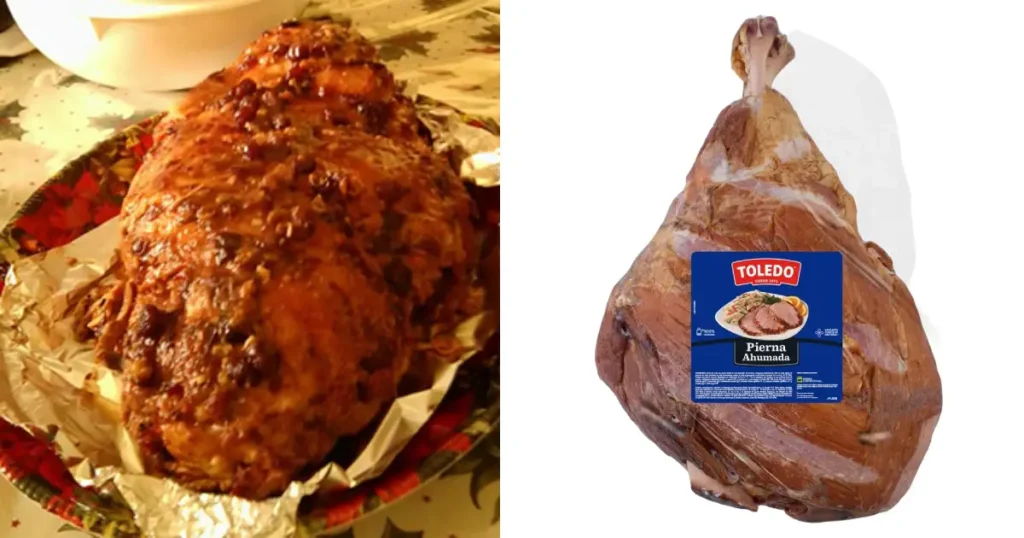
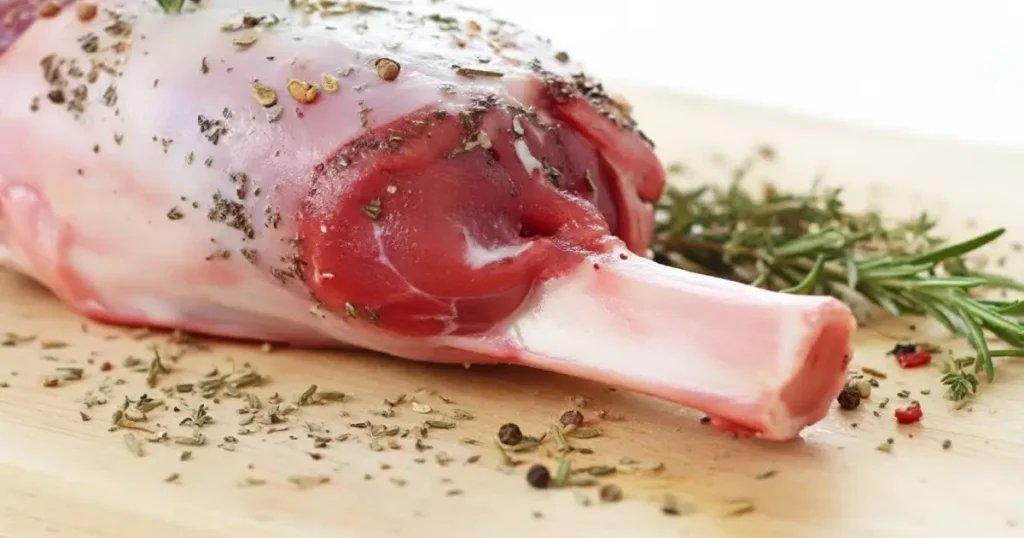
Boneless pork leg (10 pounds): The centerpiece of the dish should come from a reputable butcher who can provide a leg that has been properly aged. Look for meat with good marbling—thin threads of intramuscular fat that will keep the roast moist during extended cooking. The exterior fat cap should be intact, as this renders during roasting to create the prized crispy skin.
The Stuffing Components
Chorizo (3 pounds): Mexican-style fresh chorizo works best, with its characteristic blend of chiles, vinegar, and spices. Avoid Spanish cured chorizo, which does not melt and distribute flavor the same way.
Longaniza (3 pounds): This slightly sweeter, more coarsely ground sausage provides textural contrast to the chorizo. Guatemalan longaniza often contains achiote, contributing both color and earthiness.
Large capers (1 pound): Seek out the largest capers available, sometimes labeled “caper berries.” Their briny, slightly floral flavor creates necessary contrast to the rich pork.
Pitted olives (2 pounds): Green olives, preferably Spanish manzanilla variety, offer the right balance of salt, fat, and mild bitterness.
The Marinade Elements
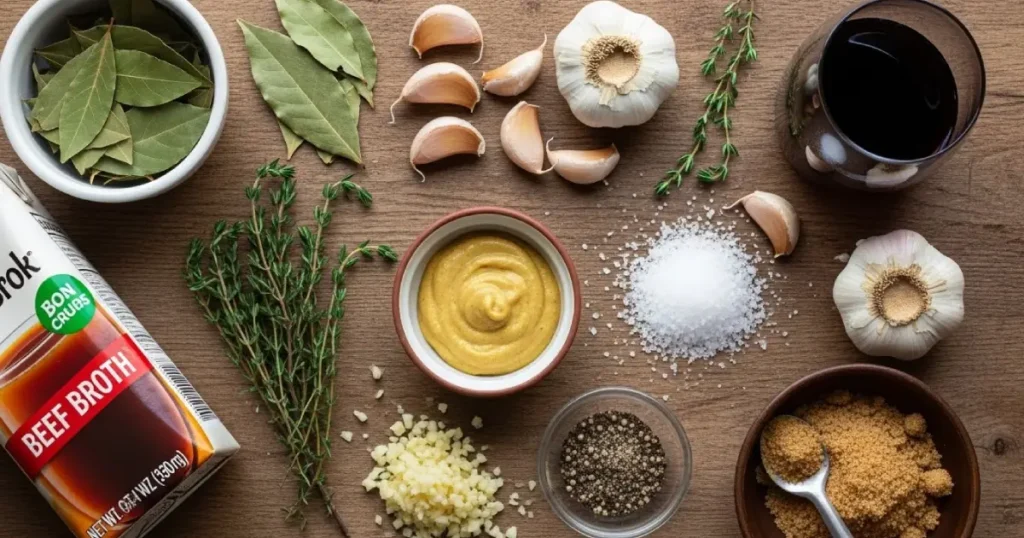
Mustard: Yellow or Dijon mustard contributes acidity and emulsifying properties that help the marinade adhere to the meat.
Garlic: Fresh cloves, minced or pressed, provide foundational aromatic depth.
Bay leaf and thyme: These classic Mediterranean herbs contribute subtle bitterness and complexity.
Red wine: A full-bodied variety like Malbec or Cabernet Sauvignon adds tannins that help break down proteins and contribute deep, fruity notes.
Beef broth (2 cups): This enriches the cooking liquid, which becomes the foundation for the finishing sauce.
Salt and black pepper: Essential for seasoning, applied generously given the size of the cut.
Brown sugar: Used during roasting to encourage Maillard browning and create the signature caramelized crust.
Step-by-Step Preparation Instructions
Day One: Stuffing and Marination
Step 1: Prepare the stuffing ingredients. Remove casings from chorizo and longaniza, breaking the meat into pieces roughly the size of golf balls. Drain capers and olives, patting them dry to remove excess brine.
Step 2: Pierce the pork leg. Using a sharp paring knife or a sharpening steel, create deep punctures throughout the meat, spacing them approximately two inches apart. Each hole should be deep enough to reach the center of the leg.
Step 3: Insert the stuffing. Working systematically from one end of the leg to the other, push pieces of chorizo, longaniza, capers, and olives into each puncture. Use the handle of a wooden spoon to push stuffing deep into the cavities. Aim for even distribution of all four components.
Step 4: Prepare the marinade. In a large bowl, combine mustard, minced garlic, crumbled bay leaves, thyme leaves, red wine, beef broth, and generous amounts of salt and pepper. Whisk until homogeneous.
Step 5: Coat the meat. Place the stuffed leg in a large roasting pan. Pour the marinade over the meat, using your hands to massage it into every surface and crevice. Cover tightly with plastic wrap.
Step 6: Refrigerate overnight. Allow the meat to marinate for a minimum of twelve hours, preferably eighteen to twenty-four hours. Turn the leg once or twice during this period to ensure even marinade contact.
Day Two: Roasting and Service
Step 7: Bring to room temperature. Remove the roasting pan from the refrigerator two hours before cooking begins. Cold meat placed directly in a hot oven cooks unevenly.
Step 8: Preheat and cover. Set your oven to 325°F (165°C). Cover the roasting pan tightly with aluminum foil, creating a sealed environment that will trap steam and keep the meat moist during initial cooking.
Step 9: Initial roasting phase. Place the covered pan in the preheated oven for ninety minutes. Do not open the oven or remove the foil during this period.
Step 10: Uncover and baste. After ninety minutes, carefully remove the foil. Using a large spoon or bulb baster, collect the liquid that has accumulated in the bottom of the pan and pour it over the surface of the meat. Return the uncovered roast to the oven.
Step 11: Continue roasting with regular basting. Baste the meat every twenty to thirty minutes for the remaining two hours of cooking time. Total cooking time is approximately three and a half hours.
Step 12: Create the crust. During the final thirty minutes, sprinkle brown sugar evenly over the surface of the meat. The sugar will caramelize, creating a glossy, crackling exterior.
Step 13: Rest the meat. Remove the pan from the oven when the internal temperature reaches 185°F (85°C). Allow the roast to rest for at least twenty minutes before slicing. This resting period is essential—cutting too soon will cause precious juices to flood the cutting board rather than remaining in the meat.
Step 14: Prepare the sauce. While the meat rests, strain the pan juices through a fine-mesh sieve into a saucepan. Bring to a boil, then reduce heat to a simmer. If the sauce seems insufficient, add additional red wine and beef broth. Adjust seasoning with salt and pepper.
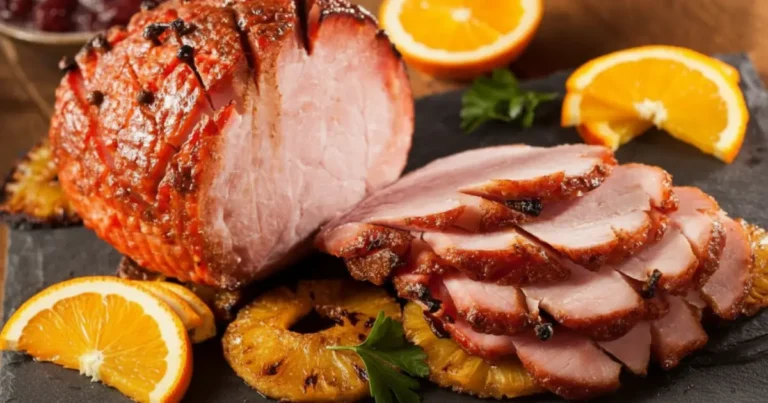
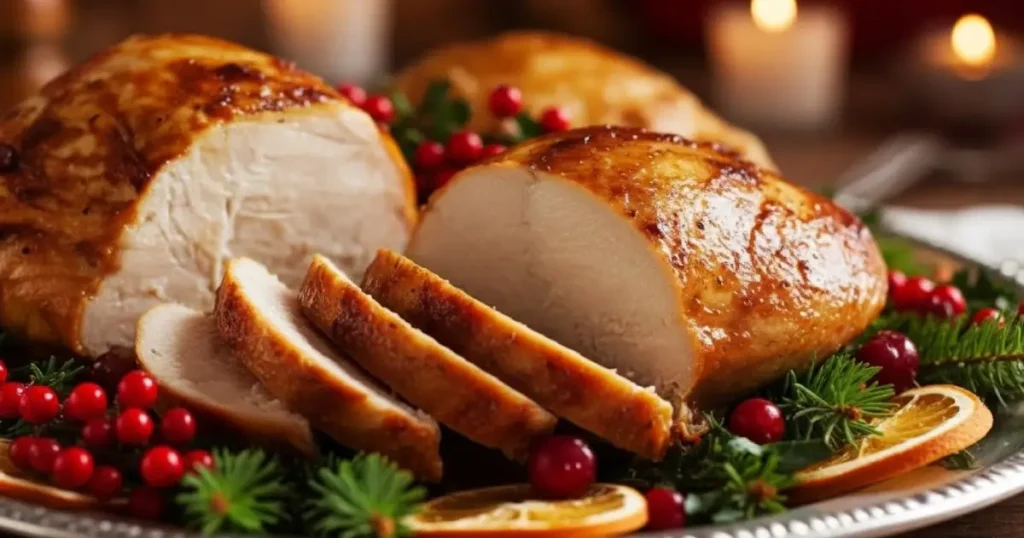
Step 15: Slice and serve. Carve the pork leg against the grain into slices approximately half an inch thick. Arrange on a warm platter and drizzle with the prepared sauce. Serve immediately alongside traditional accompaniments.
Discover the authentic Guatemalan roast pork leg
The Guatemalan roast pork leg represents far more than the sum of its ingredients. It is a dish that carries five centuries of history in every bite—a testament to the creative resilience of Guatemalan cooks who received a Spanish tradition and transformed it into something unmistakably their own. The technique of internal stuffing, the incorporation of regional spices, and the ceremonial context in which the dish appears all speak to a culinary identity that honors its origins while asserting its independence.
Preparing pierna de cerdo horneada authentically requires commitment: the overnight marination, the careful stuffing, the patient basting, and the discipline to let the meat rest before carving. But this investment yields rewards no quick-cooked roast can match. The first slice, revealing pockets of melted chorizo and brine-kissed olive against pink, succulent pork, justifies every moment of preparation.
For those who wish to deepen their understanding of Guatemalan culinary traditions, this dish serves as an ideal entry point—a masterwork that demonstrates the sophistication of Central American gastronomy. Whether prepared for Christmas, New Year’s Eve, or any occasion worthy of celebration, the roast pork leg remains what it has been for generations: the heart of the Guatemalan festive table.