Guatemalan Hilachas: The Complete Guide to This Classic Shredded Beef Dish
What Are Hilachas?
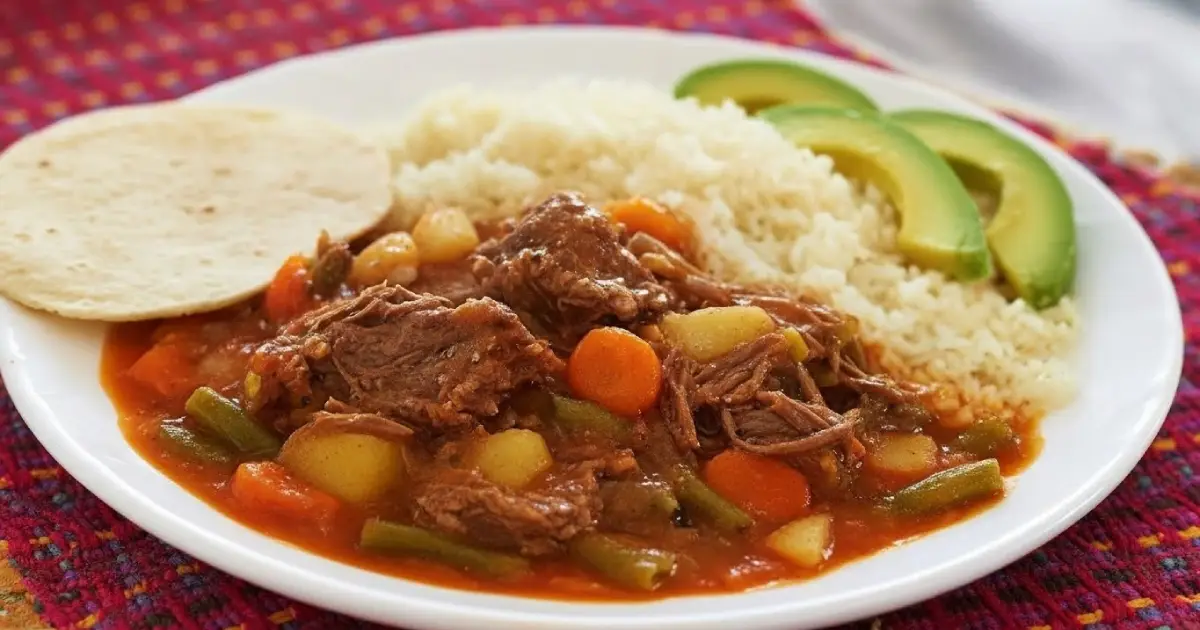
In the highlands of Guatemala, where volcanic soil nurtures extraordinary produce and centuries of culinary tradition simmer in every kitchen, few dishes capture the essence of comida chapina quite like hilachas. This humble yet profoundly satisfying preparation—tender beef pulled into delicate threads and bathed in a brick-red sauce fragrant with tomatoes, chiles, and achiote—represents far more than sustenance. It embodies the cultural fusion that defines Central American gastronomy: indigenous techniques married to colonial influences, transformed over generations into something distinctly Guatemalan.
The name itself tells the story. Hilachas, derived from the verb deshilachar (to unravel or shred), describes both the technique and the texture—meat so tender it falls apart into silken strands, each fiber absorbing the complex flavors of the recado that surrounds it. For those exploring the depth of Guatemalan cuisine through resources like Guatemala Food, hilachas often serves as a gateway dish, accessible enough for the uninitiated yet nuanced enough to reward deeper exploration.
Key Takeaways
- Hilachas originated in Salamá, Baja Verapaz during Guatemala’s colonial period, emerging from the fusion of Spanish culinary techniques and indigenous ingredients.
- The dish is closely related to ropa vieja, sharing the fundamental technique of shredded braised beef in a tomato-based sauce common throughout Latin America.
- Three stages define proper preparation: cooking and shredding the beef, preparing the recado (sauce), and combining elements with proper thickening.
- Authentic recipes use specific thickening agents including toasted flour, pepitoria (squash seeds), ajonjolí (sesame seeds), and even toasted tortillas.
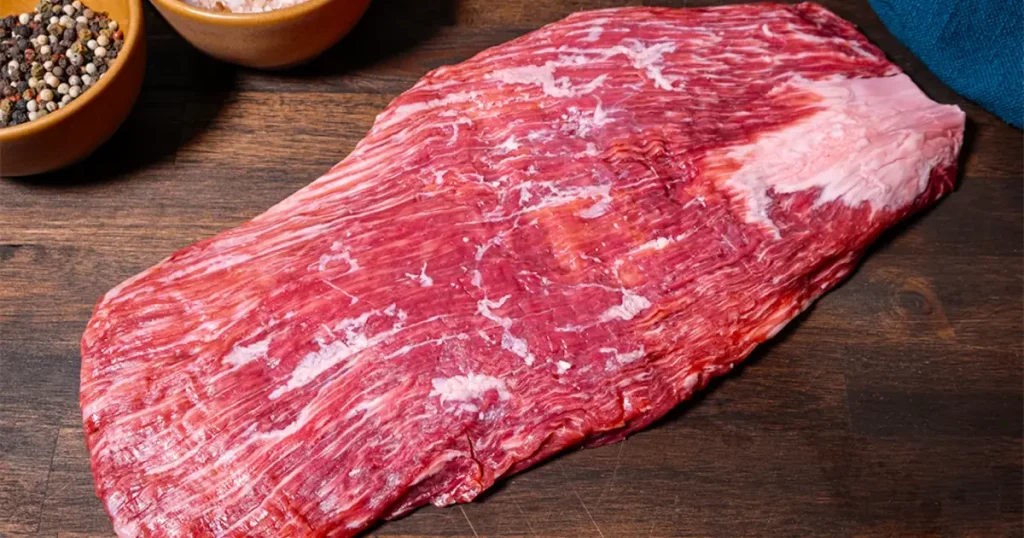
- Falda (flank steak) is the traditional cut, chosen for its connective tissue that breaks down during braising, creating the characteristic tender texture.
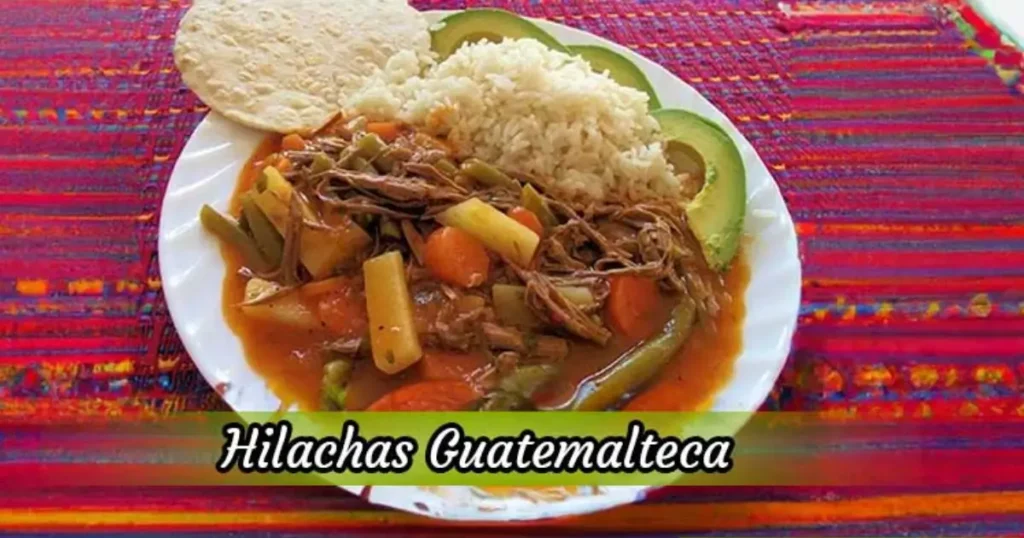
- The dish is traditionally served with white rice and tamalitos blancos, though tortillas and fresh avocado are equally appropriate accompaniments.
Historical and Cultural Background
The story of hilachas begins in Salamá, the capital of the Baja Verapaz department, a region where the verdant Guatemalan highlands meet the drier valleys descending toward the Caribbean lowlands. During the colonial period, Spanish settlers brought with them not only their language and religion but their culinary heritage—including the slow-braising techniques that would eventually give birth to this beloved preparation.
What the colonizers encountered in Guatemala was a sophisticated indigenous food culture already centuries old. The Maya had long mastered the cultivation of tomatoes, chiles, and pepitoria (squash seeds), ingredients that would become essential to hilachas. The fusion was neither immediate nor complete; rather, it evolved gradually as local cooks adapted Spanish methods to available ingredients, creating something that belonged fully to neither tradition but emerged as distinctly chapín.
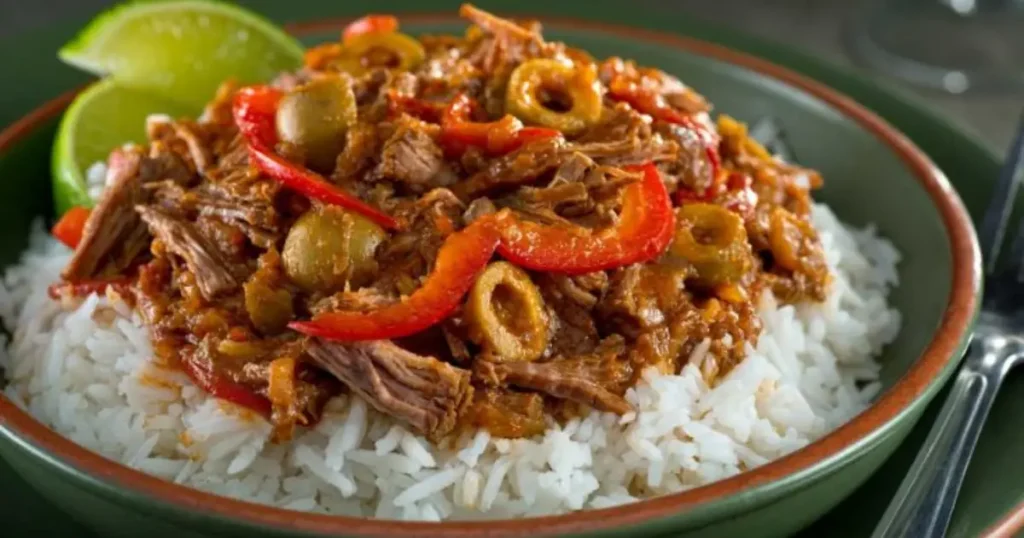
The dish’s similarity to ropa vieja—literally “old clothes,” a shredded beef preparation found throughout the Spanish-speaking Caribbean and Latin America—is no coincidence. Both dishes share colonial DNA, yet hilachas distinguished itself through the incorporation of uniquely Guatemalan elements: the use of miltomate (a relative of the tomatillo), the specific chiles available in the highlands, and the thickening techniques employing toasted seeds and tortillas that connect the dish to pre-Columbian cooking methods.
Understanding Hilachas: The Core Concept
At its foundation, hilachas is an exercise in transformation. Tough, economical cuts of beef become luxuriously tender through patient braising. Simple vegetables—tomatoes, chiles, onions—become a complex sauce through careful cooking and blending. Even stale bread and dried tortillas find new purpose as thickening agents that add both body and depth to the final dish.
The preparation follows a logical sequence that rewards attention to detail. First, the beef is simmered until it surrenders completely, releasing its collagen into a flavorful broth while becoming soft enough to shred with minimal effort. This broth, rich with rendered fat and dissolved proteins, becomes the liquid foundation of the sauce—nothing is wasted.
The recado, or sauce, represents the heart of hilachas. Unlike quick-cooked tomato sauces, this preparation involves cooking the tomatoes, miltomates, and chiles until they concentrate and caramelize slightly, developing deeper flavor compounds. Blending with achiote—the rust-colored seed that gives the dish its characteristic hue—and fresh cilantro creates a sauce that is simultaneously bright and earthy, complex yet balanced.
Regional Variations and Traditional Techniques
While the fundamental concept of hilachas remains consistent throughout Guatemala, regional variations reflect local preferences and ingredient availability. In the Verapaces, where the dish originated, preparations tend toward the more traditional, often employing the full spectrum of pre-Columbian thickening agents: pepitoria, ajonjolí, toasted tortillas, and pan francés ground together to create a recado with remarkable depth and subtle nuttiness.
Cooks in Guatemala City and the surrounding highlands frequently opt for simplified versions, using only flour as a thickener while maintaining the essential flavor profile through quality tomatoes and proper chile selection. These urban interpretations trade some complexity for convenience without sacrificing the dish’s essential character.
The choice of chile varies significantly by region and personal preference. Chile guaque—a moderately hot dried pepper with fruity undertones—appears most commonly in traditional recipes.
Essential Ingredients
The Meat
Falda (flank steak) or falda de viuda represents the traditional choice, prized for its rich flavor and generous connective tissue that breaks down during braising. Alternative cuts include bolovique or camote, both suitable for the extended cooking this dish requires. The key is selecting meat with sufficient collagen—lean cuts will become dry and stringy rather than succulent.
Sauce Components
The recado foundation requires:
- Ripe tomatoes (approximately 1 pound per pound of meat): Look for fully ripened specimens with deep red color and yielding flesh
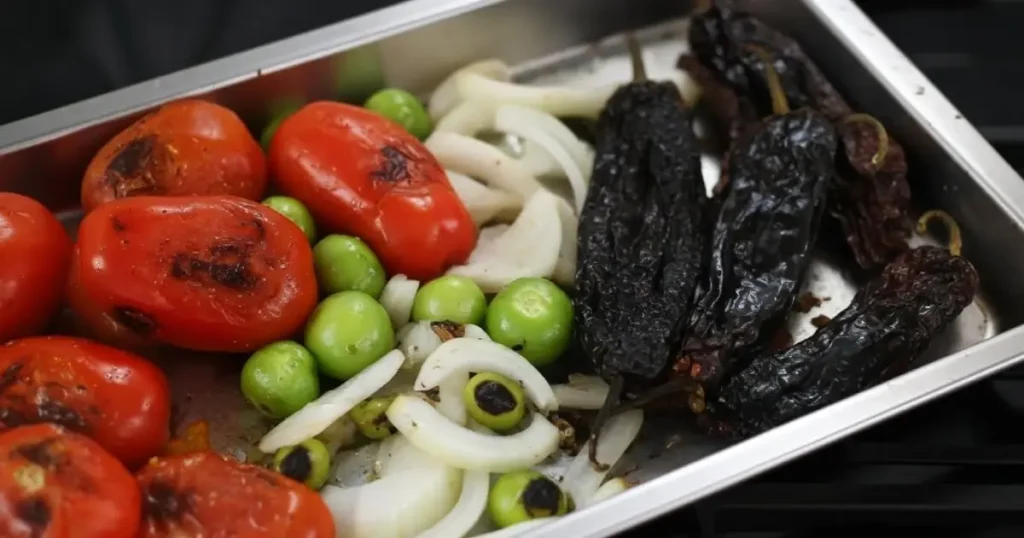
- Miltomate (4 ounces): This small, husk-covered fruit resembles a green tomatillo but offers a distinctly different, more acidic flavor essential to authentic hilachas
- Chile guaque (3 whole dried): Provides moderate heat and complex flavor; substitute chile guajillo if unavailable
- Chile pimiento (4 fresh): Adds sweetness and color
- Achiote paste or seeds: Contributes the characteristic rust-red color and subtle earthy flavor.
Aromatics and Seasonings
- Large onions (3): Used both in braising the meat and in the sauce
- Garlic (4-6 cloves): Essential for depth
- Fresh cilantro (1 bunch): Added to the blended sauce for brightness
- Bay leaves (2-3): Flavors the braising liquid
- Fresh thyme (2-3 sprigs): Complements the beef during cooking
- Salt: To taste throughout the cooking process
Vegetables
- Potatoes (1 pound): Cut into chunks or thick slices; waxy varieties hold their shape better
- Carrots (3 medium): Sliced or cut into chunks
Thickening Agents
Traditional preparations use a combination of:
- Pepitoria (squash seeds): Toasted until fragrant
- Ajonjolí (sesame seeds): Toasted briefly
- Tortillas: Dried and toasted until crisp
- Pan francés (French bread): Dried and toasted
Simplified versions substitute:
- Bread flour or wheat flour (4 ounces): Toasted to a golden color before incorporating
Additional
- Vegetable oil: For frying the sauce
- Chicken bouillon or Consomé de Pollo y Achiote Malher: Optional flavor enhancement
Step-by-Step Preparation
Stage One: Preparing the Beef
- Place the beef in a large pot and cover with cold water by at least two inches. Add one quartered onion, four garlic cloves, bay leaves, thyme sprigs, one whole tomato, and generous salt.
- Bring to a boil over high heat, then immediately reduce to a gentle simmer. Skim any foam that rises to the surface during the first fifteen minutes.
- Simmer for 1.5 to 2 hours, or until the meat is completely tender and offers no resistance when pierced with a fork. The exact time depends on the cut’s thickness and the amount of connective tissue.
- Remove the meat from the broth and set aside on a cutting board to cool. Strain the broth through a fine-mesh sieve into a clean container, discarding the solids. Allow the broth to settle, then skim visible fat from the surface—some fat is desirable, but excess will make the sauce greasy.
- Shred the cooled meat by pulling it apart along the grain using two forks or your fingers. The strands should be thin and relatively uniform. Discard any remaining fat or gristle.
Stage Two: Building the Recado
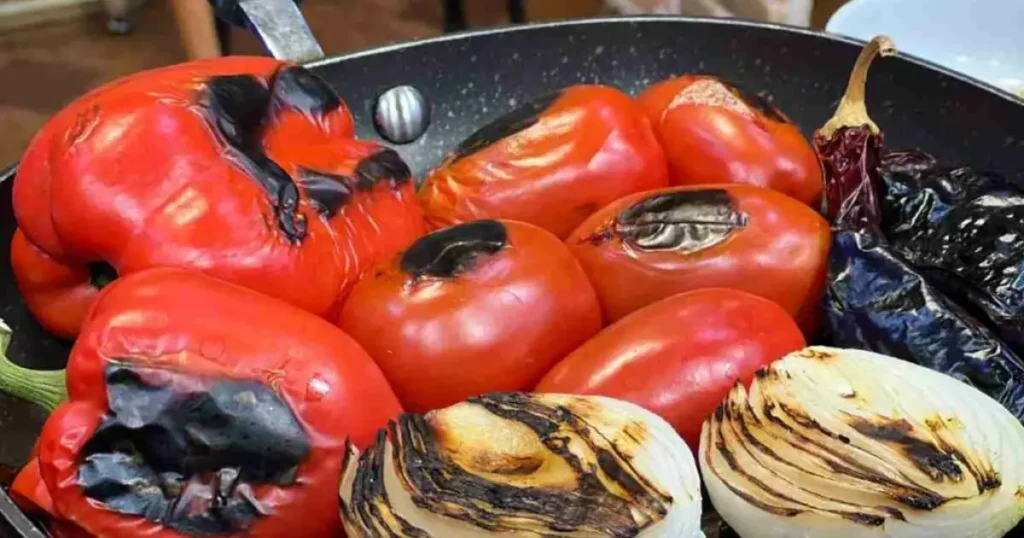
- Prepare the chiles by removing stems and seeds from the dried chile guaque. Toast briefly in a dry skillet until fragrant and pliable, about 30 seconds per side. Place in a bowl and cover with hot water; let soak for 15 minutes.
- Cook the tomatoes, miltomates, and fresh chile pimientos in a small pot with just enough water to cover. Simmer until completely softened, approximately 15-20 minutes.
- If using traditional thickeners, toast each separately in a dry skillet: pepitoria and sesame seeds until golden and fragrant (2-3 minutes), tortilla pieces until crisp throughout, bread cubes until dried and lightly colored.
- Blend the sauce components: Transfer the cooked tomatoes, miltomates, and fresh chiles to a blender. Add the soaked dried chiles (drained), remaining raw onion (quartered), fresh cilantro, and achiote. If using traditional thickeners, add them now. Blend until completely smooth, adding small amounts of the beef broth if needed to facilitate blending.
- Fry the sauce by heating two tablespoons of vegetable oil in a large, heavy-bottomed pot or Dutch oven over medium-high heat. Carefully pour in the blended sauce—it will splatter—and cook, stirring frequently, for 8-10 minutes. The sauce should darken slightly and thicken as it fries.
Stage Three: Assembly and Finishing
- Add the reserved beef broth to the fried sauce, stirring to combine. The amount depends on desired final consistency; start with approximately 3 cups and adjust as needed.
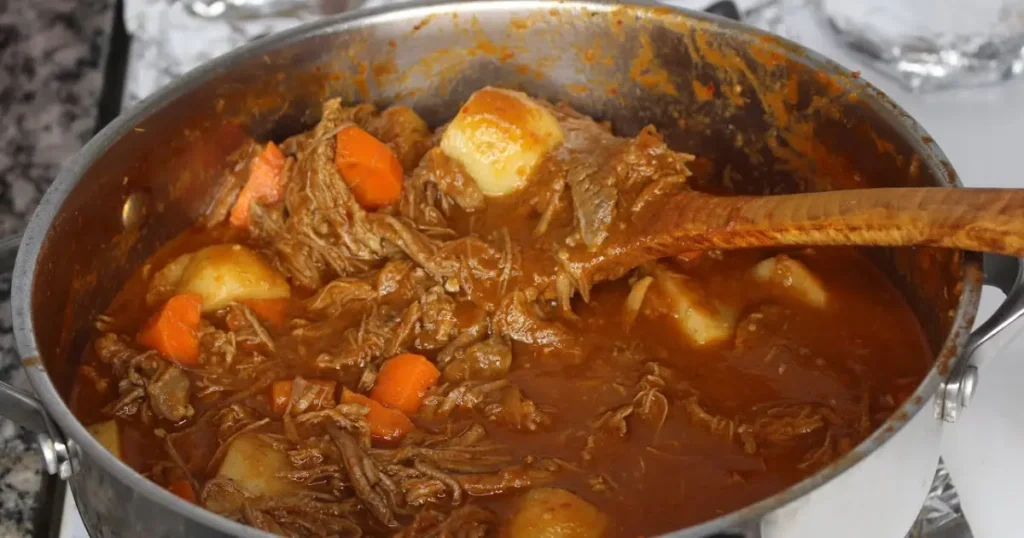
- Incorporate the potatoes and carrots, bringing the mixture to a simmer. Cook for 10-12 minutes, until the vegetables are nearly tender.
- Add the shredded beef to the pot, stirring gently to distribute the meat throughout the sauce.
- If using flour as a thickener (instead of traditional ingredients), toast it in a dry skillet until golden and fragrant, about 2-3 minutes. Whisk into approximately one cup of the sauce liquid to create a slurry, then stir this mixture back into the pot.
- Simmer for an additional 15-20 minutes, allowing the flavors to meld and the sauce to reach the desired consistency. It should coat the meat generously without being pasty. Taste and adjust seasoning with salt as needed.
- Rest for 10 minutes before serving to allow the flavors to settle and the temperature to become comfortable for eating.
Expert Tips and Common Mistakes
Achieving Perfect Meat Texture
The most common error home cooks make is rushing the initial braising. Tough cuts like falda require sufficient time for collagen to convert to gelatin—this process cannot be accelerated without pressure cooking. If your meat resists shredding, it needs more time. Conversely, genuinely overcooked beef becomes dry and crumbly rather than succulent; the sweet spot requires attention.
Sauce Development
Resist the temptation to skip the sauce-frying step. This process—called refrying or recalentar in Mexican and Central American cooking—transforms raw-tasting blended vegetables into a deeply flavored sauce through the Maillard reaction and caramelization. The sauce should visibly darken and become more aromatic; if it remains bright red and sharp-tasting, continue cooking.
The toasting of thickening agents is equally critical. Under-toasted flour contributes a raw, starchy taste; properly toasted flour adds a subtle nuttiness while thickening efficiently. Traditional thickeners like pepitoria and sesame seeds should release their oils and become fragrant—burnt seeds create bitterness that cannot be corrected.
Balance and Seasoning
Hilachas requires building seasoning in layers rather than correcting at the end. Salt the braising water generously, as the meat absorbs salt during cooking. Season the sauce after frying, then again after adding broth, and finally before serving. This gradual approach creates more integrated, complex flavor than a single heavy seasoning.
The Science Behind Hilachas
Collagen Transformation
The magic that converts tough falda into silken strands involves collagen, the structural protein found abundantly in connective tissue. When exposed to moist heat above 160°F (71°C) for extended periods, collagen molecules unwind and convert to gelatin—the same substance that makes stock set into jelly when chilled. This transformation requires time; collagen conversion accelerates above 180°F (82°C) but still requires 1.5-3 hours depending on the cut’s collagen content.
Achiote’s Properties
Achiote (annatto) seeds contain bixin and norbixin, carotenoid compounds responsible for the characteristic orange-red color. Unlike many natural colorants, these compounds are fat-soluble and relatively heat-stable, explaining why achiote maintains its color throughout cooking. Beyond color, achiote contributes a subtle earthy, slightly peppery flavor that distinguishes Guatemalan recados from Mexican preparations.
Discover The Unique flavor
Hilachas stands as a testament to culinary evolution—a dish born from colonial encounter yet thoroughly claimed by the Guatemalan people who refined it across generations. From its origins in Salamá, Baja Verapaz, to its current status as one of Central America’s most beloved preparations, hilachas demonstrates how skilled cooks transform humble ingredients into something genuinely remarkable.
The techniques embedded in this dish—patient braising to convert tough cuts into tender strands, careful sauce development through frying and seasoning in layers, traditional thickening methods that connect modern kitchens to pre-Columbian practices—represent accumulated wisdom worth preserving. Each step serves a purpose; nothing is arbitrary.
Whether discovered through culinary travel, cultural curiosity, or resources dedicated to Guatemalan cuisine like Guatemala Food, hilachas rewards exploration. It is comfort food elevated through technique, peasant cooking perfected through generations of refinement, and a delicious reminder that some of the world’s finest dishes emerge not from luxury ingredients but from skill, patience, and cultural memory.