Christmas Punch: Traditional Ponche Recipes
Discover The Authentic Guatemalan Christmas Punch
When the cool December air settles over Guatemala’s highlands, families begin preparing one of Central America’s most cherished holiday traditions: ponche navideño. This aromatic, warming punch represents far more than a seasonal beverage—it embodies centuries of culinary heritage, the blending of indigenous Mesoamerican ingredients with colonial influences, and the irreplaceable warmth of family reunions during the festive posadas.
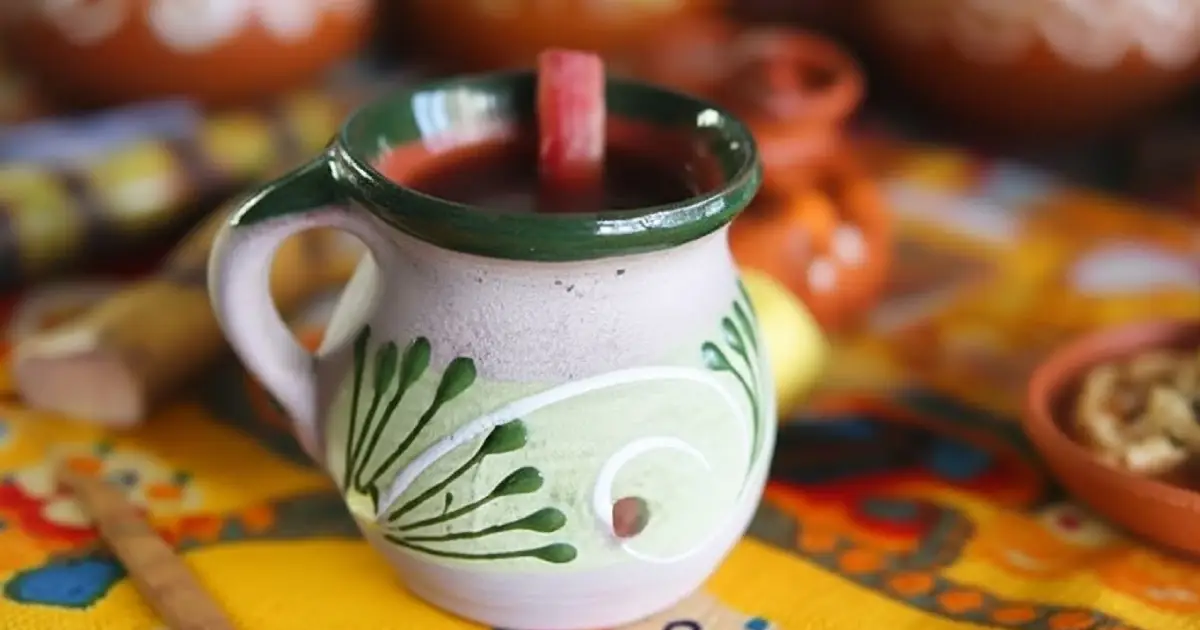
Unlike the heavily spiced mulled wines of Northern Europe or the cream-laden eggnogs of North America, Guatemalan Christmas punch follows its own distinctive path. It celebrates the abundance of tropical fruits, the earthy sweetness of unrefined cane sugar, and a spice palette rooted in ancient trade routes. Whether served in a humble clay cup in the Western Highlands or a crystal goblet in Guatemala City, this beverage connects generations through shared ritual and flavor. Resources like Guatemala Food have documented how these traditions persist in modern Guatemalan households, adapting to contemporary tastes while honoring ancestral recipes.
Historical and Cultural Background
The story of Guatemalan ponche begins in the 18th century, when Mesoamerican communities began blending their native fruit preparations with European spicing traditions introduced during colonization. Unlike abrupt cultural impositions, this culinary fusion evolved organically—indigenous cooks recognized how cinnamon, cloves, and allspice from the Old World enhanced the natural sweetness of their tropical harvests.
Before the arrival of Spanish colonizers, the Maya had already established sophisticated beverage traditions. Hot chocolate, prepared from cacao beans and often flavored with chili or vanilla, served both ceremonial and everyday purposes. This existing culture of warm, spiced drinks provided fertile ground for the development of fruit-based punches that would eventually become synonymous with Christmas celebrations.
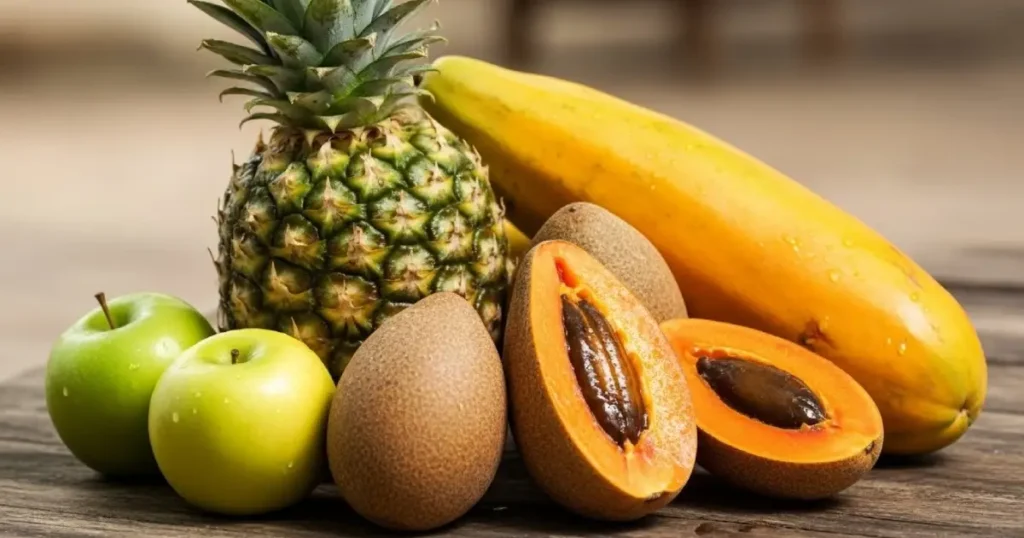
The economic accessibility of ponche ingredients contributed significantly to its widespread adoption. Families could prepare impressive quantities using seasonal fruits available at local markets—pineapples, papayas, and stone fruits like mamey and jocote—sweetened with locally produced panela rather than expensive imported sugar.
Essential Ingredients
For Traditional Ponche de Frutas
Fresh Fruits:
- Pineapple (including the peel for boiling)
- Papaya, ripe but firm
- Apples, preferably a sweet variety
- Jocote or small plums (when available)
- Mamey (optional, adds distinctive Central American character)
Dried Fruits:
- Raisins (dark or golden)
- Prunes, pitted
Spices and Aromatics:
- Cinnamon sticks (3–4 for a large batch)
- Whole allspice berries (1–2 tablespoons)
- Whole cloves (8–10)
- Fresh ginger (a 2-inch piece, sliced)
- Fig leaf (hoja de higo), if available
Sweetener:
- Panela (piloncillo), approximately 8 ounces, or substitute dark brown sugar
Liquid Base:
- Water (10 cups for a standard batch)
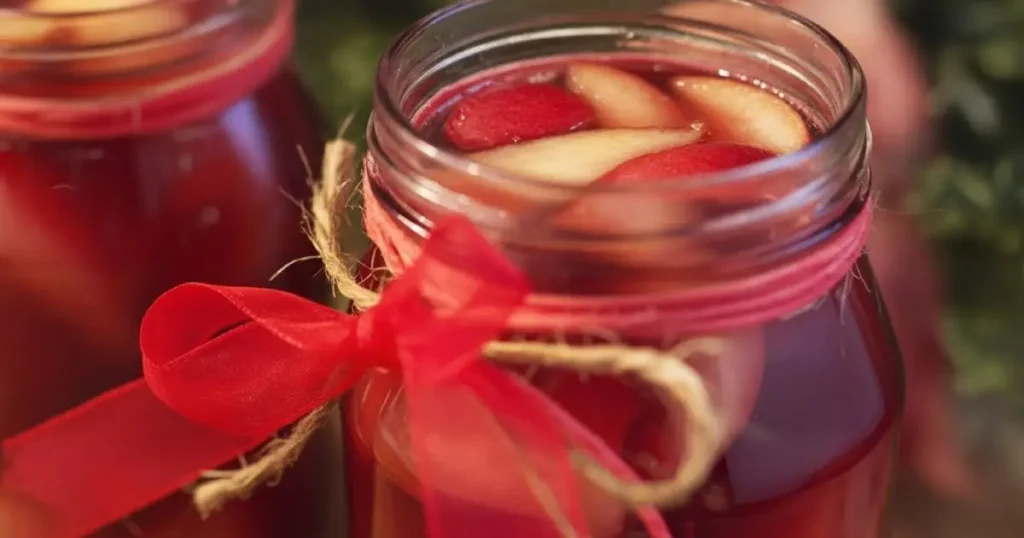
For Ponche Rojo Navideño
Fresh Berries:
- Raspberries (1 cup)
- Blackberries, ripe (1 cup)
- Strawberries, fresh (1 cup, hulled)
Liquids:
- Cranberry juice, unsweetened preferred (500 ml)
- Sparkling wine (1 bottle, 750 ml)
- White rum (to taste, typically 4–6 ounces)
Aromatics and Seasonings:
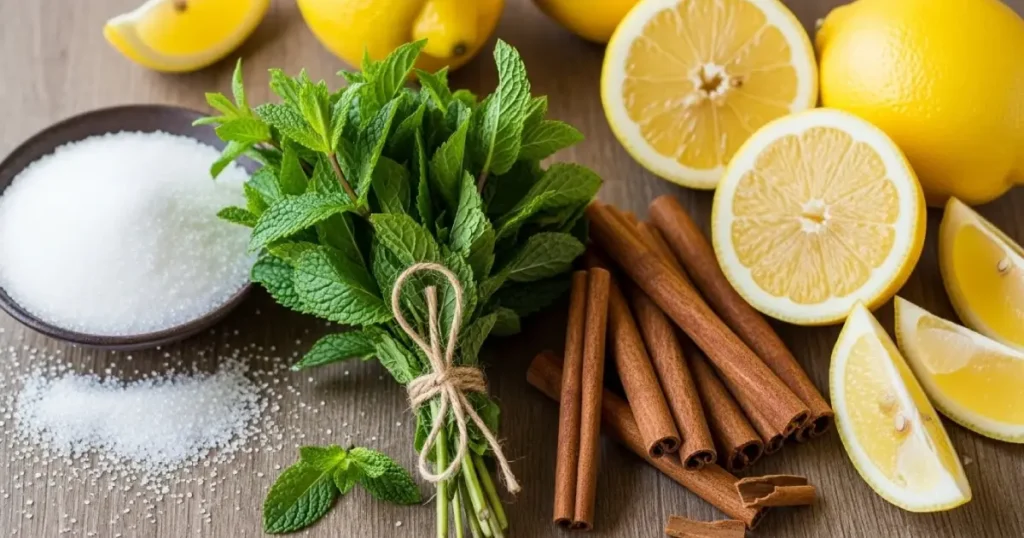
- Fresh mint leaves (1 generous bunch)
- Cinnamon sticks (2)
- Lemons (2 medium, juiced)
- Granulated sugar (1 cup)
Step-by-Step Preparation
Traditional Ponche de Frutas
1. Prepare the Spiced Base
Thoroughly wash the pineapple exterior before cutting. Remove the peel in large pieces, reserving the flesh for later. In a large stockpot, combine 10 cups of water with the pineapple peel, panela, cinnamon sticks, allspice, cloves, ginger, and fig leaf if using. Bring to a boil, then reduce heat and simmer for 20 minutes, allowing the aromatics to fully infuse the liquid and the panela to dissolve completely.
2. Strain the Aromatics
Remove and discard the pineapple peel and fig leaf. The whole spices can remain in the pot, as they will continue contributing flavor and provide visual interest in the final presentation.
3. Prepare the Fruits
While the base simmers, cut the pineapple flesh, papaya, and apples into uniform ½-inch cubes. Uniformity ensures even cooking and creates an appealing presentation. If using jocote or mamey, prepare similarly.
4. Simmer the Fresh Fruits
Add the cubed fruits to the strained spiced liquid. Return to a gentle simmer and cook for 15–20 minutes, until the fruits are tender but not disintegrating. The pieces should hold their shape while yielding easily to a spoon.
5. Add Dried Fruits
Incorporate the raisins and prunes during the final 10 minutes of cooking. These require less time to soften and will become unpleasantly mushy if added too early.
6. Rest and Serve
Remove from heat and allow the punch to rest for 10–15 minutes before serving. This resting period allows the flavors to marry and the liquid to cool to a comfortable drinking temperature. Serve in deep cups or small bowls with spoons, ensuring each portion receives a generous amount of fruit.
Ponche Rojo Navideño
1. Clean All Ingredients
Wash the berries gently under cool water, discarding any that appear overripe or damaged. Rinse the mint thoroughly and pat dry. Juice the lemons, straining out seeds.
2. Build the Fruit Base
In a large pot, combine the strawberries, raspberries, and blackberries with the mint leaves, lemon juice, sugar, and cinnamon sticks. Toss gently to distribute the sugar among the berries.
3. Add Liquids
Pour the cranberry juice over the fruit mixture and stir to combine. Add the sparkling wine and white rum, adjusting the alcohol quantity based on your gathering’s preferences.
4. Simmer to Integrate
Cook over medium-high heat for approximately 30 minutes. The extended cooking time allows the berries to break down partially, releasing their juices and creating the punch’s characteristic deep red color. Stir occasionally to prevent sticking.
5. Serve Hot
Ladle the punch into cups or mugs while still hot, ensuring each serving includes some fruit pieces. Garnish with fresh mint leaves or a few whole berries for visual appeal.
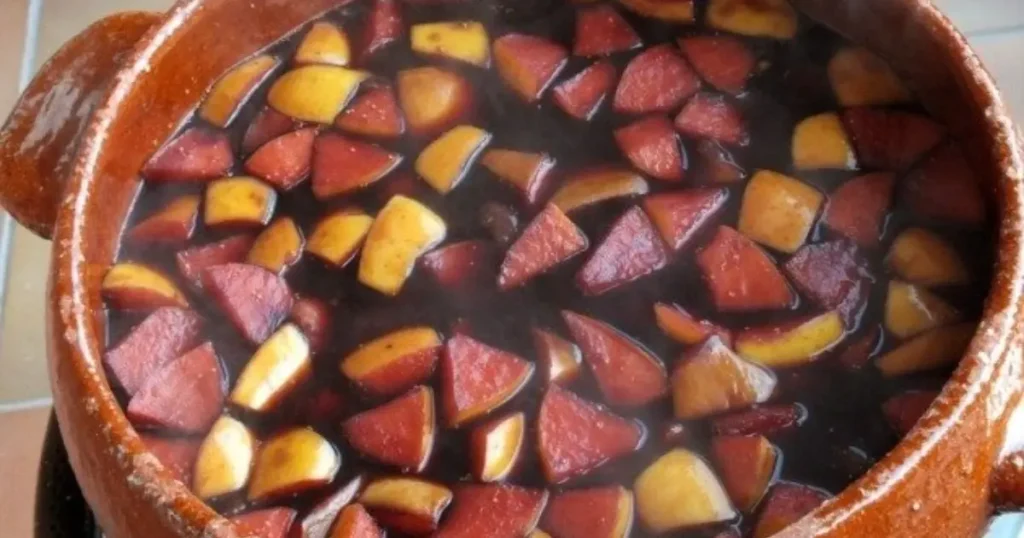
Traditional Ponche de Frutas to vibrant Ponche Rojo
Guatemalan Christmas punch represents one of Central America’s most distinctive contributions to global holiday beverage traditions. Whether you choose the hearty, fruit-laden Ponche de Frutas with its centuries-old Mesoamerican roots or the elegant, berry-infused Ponche Rojo Navideño, you participate in a tradition that values warmth, generosity, and the irreplaceable pleasure of gathering with loved ones.
The techniques required remain accessible to home cooks of any skill level, demanding patience more than precision. Allow the spices time to infuse, select fruits at their seasonal peak, and resist the urge to rush the simmering process. The reward—a steaming cup of aromatic punch, perhaps accompanied by crisp champurradas and the laughter of family—justifies every moment of preparation.