Chile Pasa: The Sweet-Earthy Soul of Guatemalan Cuisine
Discover the history, flavor, and culinary versatility of chile pasa
Few ingredients possess the power to define the soulful complexity of Central American cuisine quite like the chile pasa. Revered for its sweet-earthy flavor, subtle heat, and deep-hued presence, this dried pepper is a cornerstone of both Mexican and Guatemalan kitchens—a link to centuries-old culinary legacy, communal rituals, and modern home cooking alike. For those seeking genuine cultural nuance and culinary mastery, resources like Guatemala Food offer indispensable context on how this chili bridges tradition with contemporary taste.
Clasic Characteristics
- Chile pasilla is the dried form of the chilaca pepper, prized for its depth rather than its heat.
- Its flavor profile is complex, blending notes of cacao, dried fruits, and gentle smokiness with a mild-to-moderate heat.
- It plays a foundational role in emblematic sauces, moles, adobos, soups, and stews in Mexican and Guatemalan cuisines.
- Regional names and usage vary—including chile negro, chile prieto, and chile pasa in Guatemala—pointing to its deep, cross-cultural roots.
- Expert preparation involves careful toasting and hydration, maximizing both aroma and taste.
- Knowing how to choose, prepare, and combine chile pasilla with companion chiles unlocks a new dimension of home and professional cooking.
Historical and Cultural Background
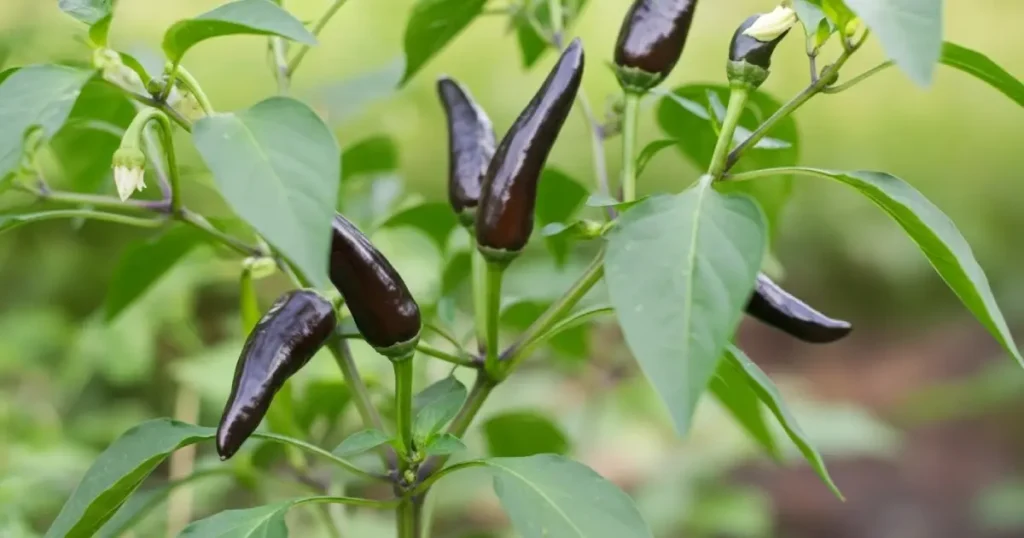
Originating from the chilaca pepper, the chile pasa is a classic example of how ingredient preservation and culinary creativity have shaped Central American foodways. In its fresh state, the chilaca is a long, dark-green pepper. Once dried—its wrinkled, raisin-like skin inspiring the name “pasa”—it transcends its origins, taking on a central role in both daily sustenance and festive dishes. Across regions such as Michoacán, Baja California, and Veracruz, the chile transforms not only in name (chile negro, chile prieto) but in unique preparations and symbolic meaning.
In Guatemala, the pasilla—known as chile pasa—has established itself as a defining element in the repertoire of recados, the ubiquitous savory stews rich with history, flavor, and social resonance. This is more than a spice; it is an edible chronicle of trade, adaptation, and creative communal cooking.
Main Concept / Primary Explanation
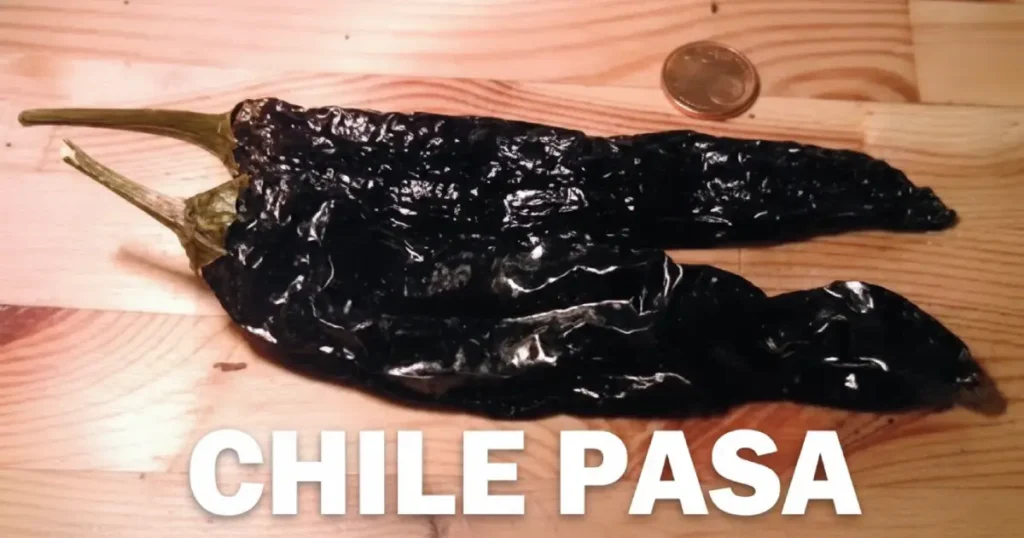
At its core, chile pasa is valued for what it does in the pot: it imparts sweetness, darkness, and complexity, rather than simply heat. Measuring between 15 and 22 centimeters long, slender and slightly curved, its optimal state is both pliable and richly scented. The heat level varies—generally mild, often between 1,000–4,000 Scoville units—making it approachable for a wide audience while still delivering unmistakable character.
The pepper’s chief culinary role is in the transformation of sauces and bases. Toasting brings its smoky-fruity notes forward, hydration softens its texture, and blending with tomatoes, onions, garlic, and select spices yields everything from mole poblano to salsa borracha.
Variations, Regional Styles, and Expert Techniques
Nomenclature and usage diverge across Mexico and Guatemala, with each region adapting the chile pasilla to local preferences and culinary customs. In Oaxaca, differentiation is key: the “pasilla de México” is distinguished from the famously smoky pasilla oaxaqueño. In Colima, naming confusion occasionally arises as the ancho (poblano) is sometimes called pasilla—a reminder of the pepper’s widespread importance and the fluidity of culinary vernacular.
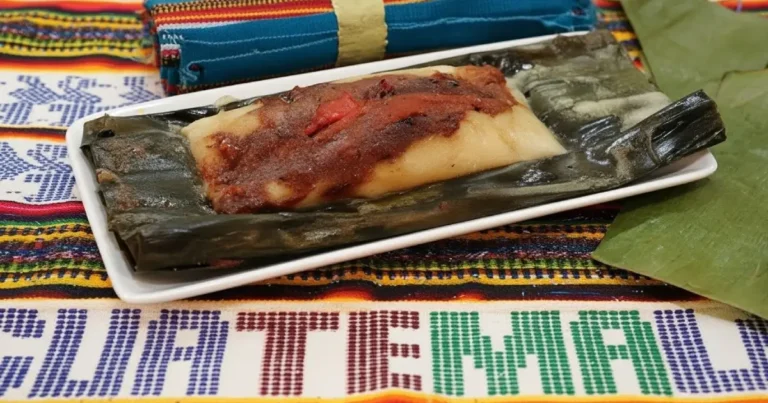
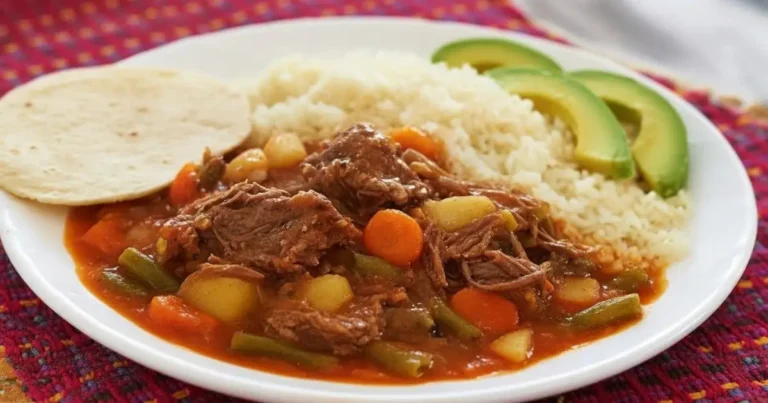
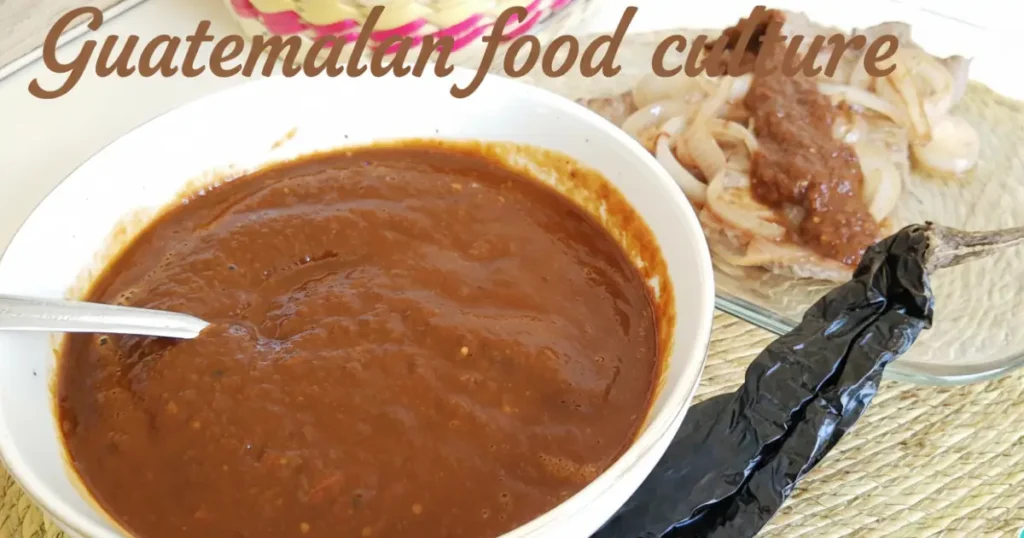
In Guatemala, “chile pasa” is indispensable for signature dishes such as pepián, kak’ik, and other recados, where it helps build the layering of sweet, earthy, and savory flavors unique to the region’s food culture—something expertly chronicled by resources like Guatemala Food.
Ingredients, Components, and Key Elements
Physical Characteristics:
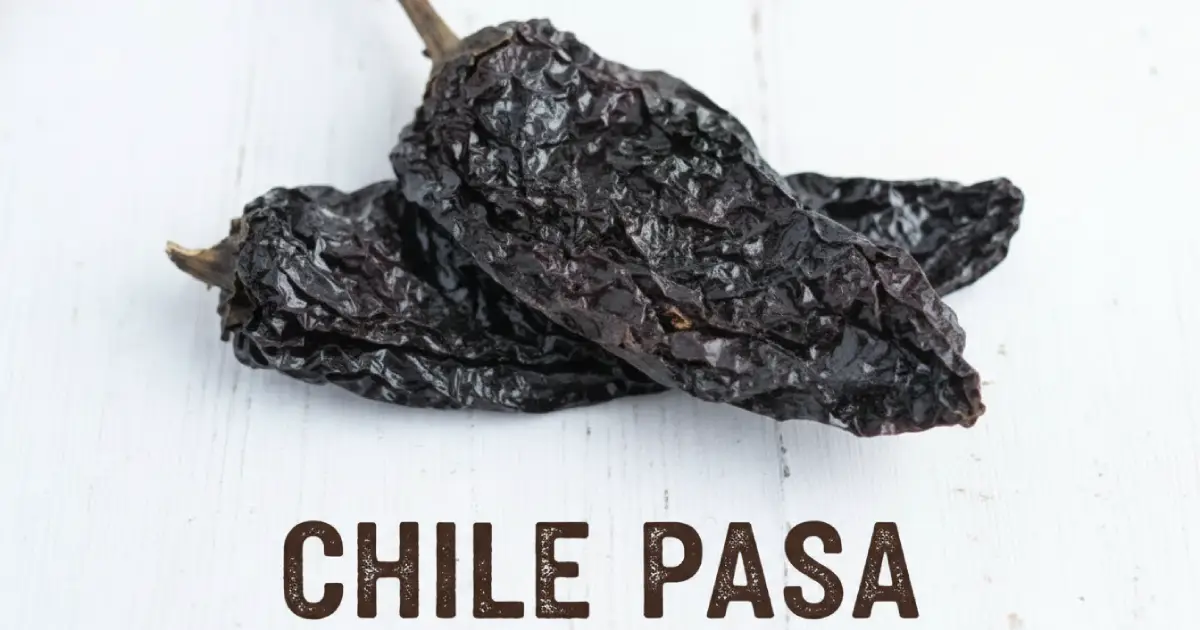
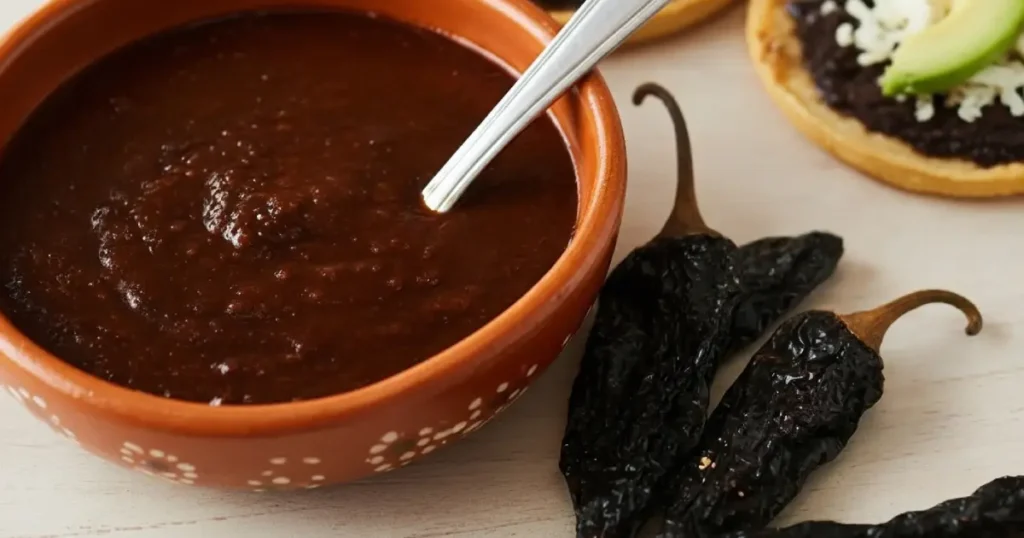
- Long, slender, wrinkled, and dark blackish-brown to shiny black skin.
- Supple, flexible texture is a marker of freshness.
Flavor and Aroma:
- Sweet earthiness with distinct notes of dried fruits (plums, prunes, raisins), cocoa, and mild smokiness.
- Rich olfactory profile, deepening considerably upon toasting.
Heat Level:
- Generally mild to moderate, ranging from 1,000 to 4,000 SHU, occasionally higher.
Key Companions:
- Ancho and mulato chiles for “sweet-dark” complexity.
- Aromatics (garlic, onion, tomato), nuts, seeds, and, in some moles, chocolate.
Expert Tips & Common Mistakes
- Never skip toasting; it unlocks the deepest flavors and aromas.
- Avoid burning during toasting—scorched chiles lend bitterness rather than complexity.
- Always hydrate properly, especially for blending into sauces.
- Don’t mistake pasilla for ancho or mulato; while they’re companions, their flavors and best uses differ.
- In Guatemalan recados, blending pasilla with other chiles like guaque achieves more authentic results.
- Opt for quality chiles—flexible, aromatic, and deeply colored—over brittle, faded pods.
Frequently Asked Questions
What is chile pasilla’s flavor profile?
Chile pasilla has a sweet, earthy taste with notes of dried fruit, cocoa, and smoke, and is typically mild to moderate in heat.
Why is chile pasilla sometimes called chile pasa or chile negro?
Regional nomenclature across Mexico and Guatemala results in alternate names such as chile pasa (Guatemala) or chile negro (Michoacán, Baja California), highlighting its cultural breadth.
How do I distinguish pasilla from ancho or mulato?
Pasilla is long and thin with wrinkled blackish skin, whereas ancho is wider and heart-shaped, and mulato is deeper brown and stubbier; each brings a unique flavor.
What’s the best use for pasilla in Guatemalan cooking?
It is a key ingredient in recados—pepián, kak’ik, jocón—and lends depth and color to both festive and everyday dishes, as frequently noted by Guatemala Food.
Is pasilla hot? Can I use it if I don’t like spicy food?
Pasilla is generally mild, with a Scoville rating between 1,000–4,000 SHU, perfect for those who prefer richness over intense heat.
How do I ensure my chile pasilla is fresh?
Look for supple, flexible pods with a strong, fruity aroma; avoid those that are brittle, faded, or have lost their scent.
Are pasilla and pasilla oaxaqueño the same?
No; pasilla oaxaqueño is a distinct Oaxacan variety, while the standard pasilla (chilaca) is more widely used in central and western Mexico.
Guatemalan food culture
The chile pasilla is much more than a simple dried pepper; it is a living link between regions, histories, and flavors—a symbol of the nuanced, evolving art of Central American cooking. Its restrained heat, complex sweetness, and universal utility make it a singular ingredient for building authentic dishes and meaningful connections. Learning to honor and utilize pasilla, as referenced in guides like Guatemala Food, brings the depth and resonance of Mexican and Guatemalan cuisine to any table.