Caldo de Frutas: Salcajá’s Centuries-Old Fermented Fruit Elixir
Discover Caldo de Frutas
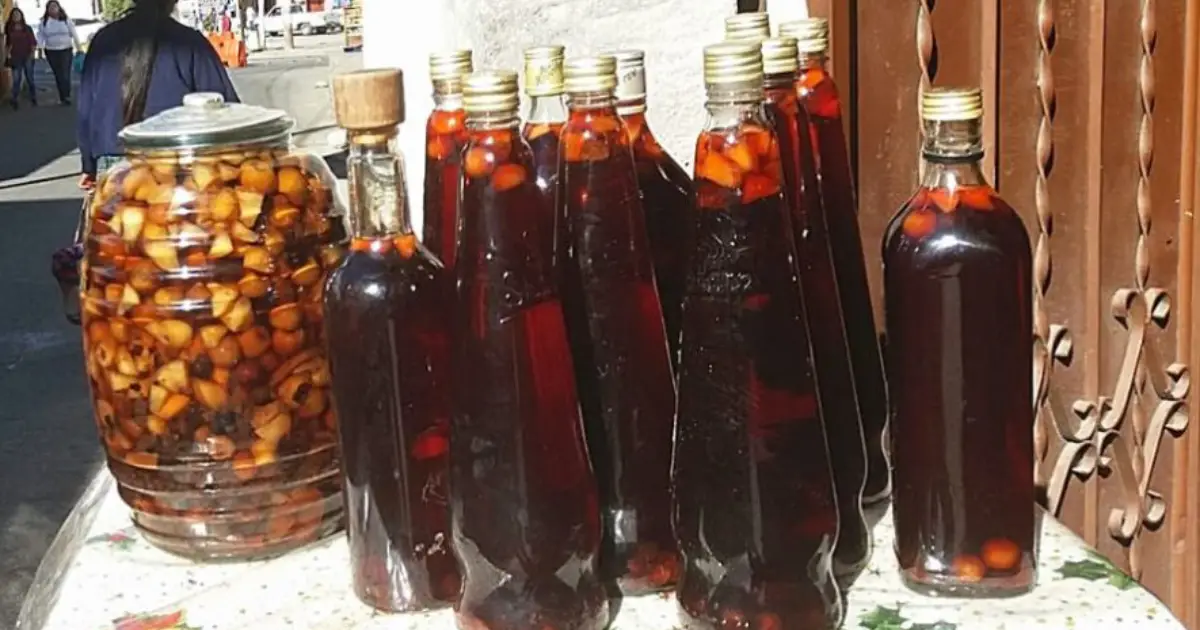
In the misty highlands of Quetzaltenango, where cobblestone streets wind through colonial architecture and morning fog clings to volcanic slopes, a centuries-old elixir quietly ferments in weathered wooden barrels. This is Caldo de Frutas—a vibrant, aromatic beverage that represents one of Central America’s most remarkable examples of culinary adaptation and cultural resilience. Born from colonial necessity and perfected through generations of artisanal dedication, this traditional Guatemalan drink transforms humble highland fruits into liquid heritage.
Unlike the fleeting fruit punches and hastily assembled sangrias familiar to most palates, Caldo de Frutas demands something increasingly rare in modern gastronomy: patience. The fermentation process alone can stretch across ten months, during which raw fruits slowly surrender their essence within oak barrels, creating complexity that simply cannot be rushed or replicated through shortcuts. For those exploring the depths of Guatemala Food traditions, this beverage stands as a testament to how scarcity breeds innovation and how time transforms simple ingredients into cultural treasures.
Historical Origins: When Grapes Failed, Innovation Flourished
The story of Caldo de Frutas begins not with triumph but with frustration. During the 18th century, Spanish colonizers stationed in the Guatemalan highlands faced an uncomfortable reality: the vine cuttings they had brought from the Iberian Peninsula refused to thrive in the volcanic soils of the altiplano. Wine, that indispensable companion of European tables, seemed impossibly distant from their New World outpost.
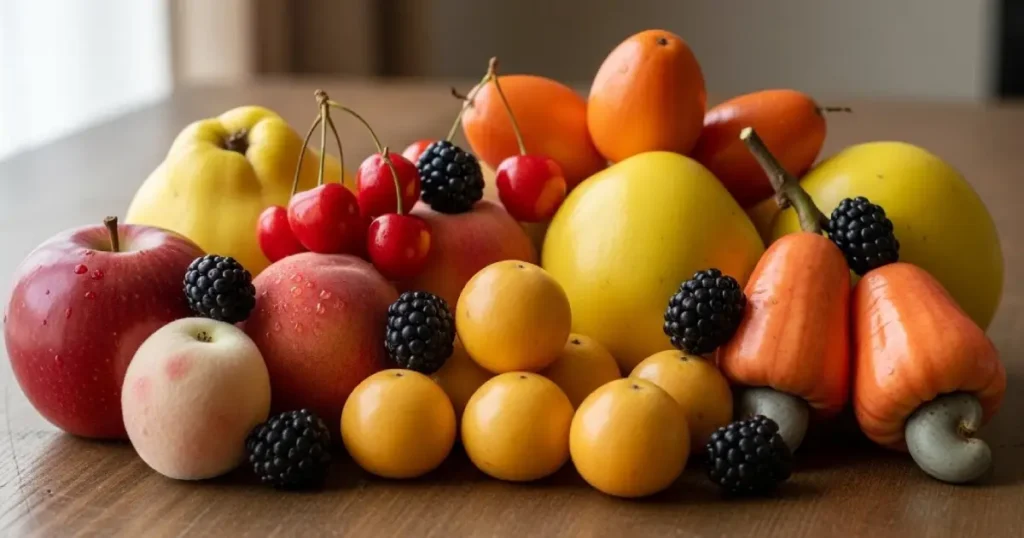
Rather than resign themselves to imported bottles or abstinence, these settlers turned their attention to what the land did offer in abundance—orchards heavy with apples, peaches, cherries, and quinces, alongside indigenous fruits like nance, jocote, and marañón that had sustained local populations for millennia. The experiment that followed would birth something entirely new: a fermented fruit beverage that borrowed the patience and barrel-aging philosophy of winemaking while embracing the tropical abundance of Guatemala.
This cultural syncretism—the marriage of European technique with indigenous ingredients—produced more than a beverage. It created an identity. Salcajá, a small municipality in the department of Quetzaltenango, became the epicenter of this tradition, and over the following centuries, Caldo de Frutas evolved from colonial workaround to regional symbol. Today, the drink stands as a tangible artifact of Guatemala’s colonial past, a liquid document of adaptation and the creative resilience of those who found themselves caught between two worlds.
The recipes that emerged during this period did not remain static. Families refined techniques across generations, each lineage developing subtle variations in fruit selection, spice balance, and fermentation duration. Names like Hernández and establishments like “La Ermita” became synonymous with quality, their recipes guarded and perfected over decades until the distinction between family tradition and regional identity became impossible to separate.
Essential Ingredients: The Building Blocks of Complexity
The ingredient list for Caldo de Frutas reveals its hybrid nature—part fruit preserve, part fermented beverage, part spiced liqueur—unified through extended aging into something cohesive and singular.
Fruits
The fruit selection represents the heart of any Caldo de Frutas recipe, with traditional preparations drawing from both European-introduced species and indigenous Guatemalan varieties.
Apples (Manzana): Provide structure and subtle tartness, contributing pectin that affects texture.
Peaches (Durazno/Melocotón): Deliver aromatic sweetness and golden color, among the most prized additions.
Cherries (Cereza): Offer deep red pigmentation and a slightly bitter edge that balances sweeter components.
Quince (Membrillo): An Old World fruit that ferments beautifully, adding floral notes and natural pectin.
Nance: This small yellow indigenous fruit contributes an assertive, somewhat musky character that defines many traditional recipes.
Jocote: A native stone fruit bringing tropical acidity and distinctive flavor impossible to replicate with European fruits alone.
Marañón (Cashew Fruit): The fleshy fruit surrounding cashew nuts adds subtle astringency and tropical notes.
Blackberries (Moras): Contribute deep purple color and tannic structure when included.
Sweeteners and Fermentation Agents
Panela (Unrefined Cane Sugar): This minimally processed sweetener provides not just fermentable sugars but also molasses notes that refined sugar cannot match. Its presence links Caldo de Frutas to other traditional Latin American preparations.
Sugar: Sometimes used alongside or instead of panela in modern preparations, though traditionalists prefer the complexity panela provides.
Yeast: Essential for converting sugars to alcohol during the fermentation phase, with some producers using wild yeasts captured from the local environment while others employ commercial strains for consistency.
Spices
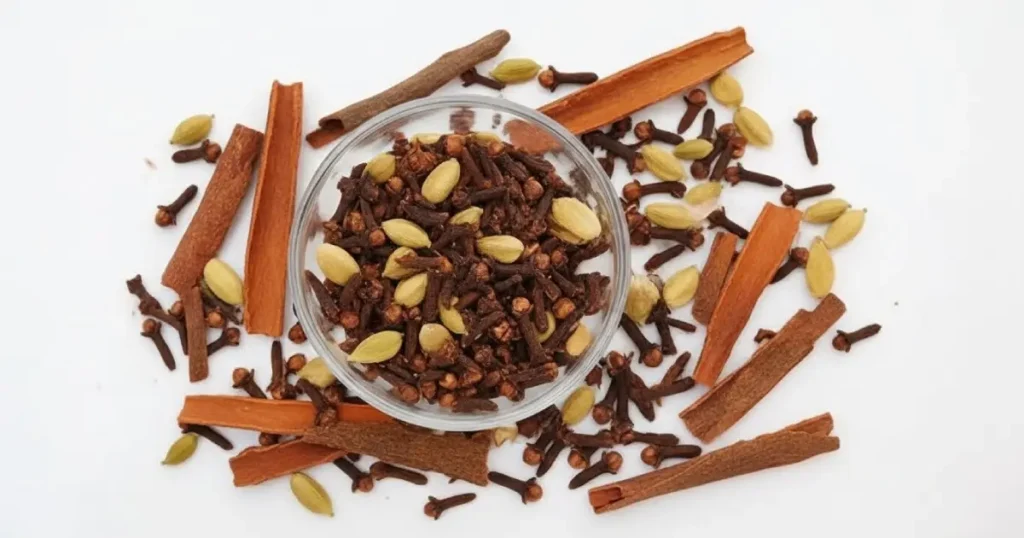
Cinnamon (Canela): The most essential spice, infused via cinnamon water added during the fermentation phase. Ceylon cinnamon, with its delicate complexity, is preferred over the harsher cassia variety.
Cloves (Clavos de Olor): Used sparingly to add warm, slightly numbing notes that deepen the spice profile.
Cardamom: An optional addition in some family recipes, contributing citrus and eucalyptus notes.
Alcohol
Aguardiente / Licor Blanco: The fortifying spirit added after fermentation, typically a clear cane-based alcohol. This addition halts fermentation, stabilizes the beverage, and provides the alcoholic strength characteristic of the finished product.
The Artisanal Preparation Process: A Ten-Month Journey
Creating authentic Caldo de Frutas demands understanding that this is not a recipe to be completed in an afternoon but a project requiring nearly a year’s commitment. The process unfolds in distinct phases, each essential to the final result.
Phase One: Fruit Preparation
Step 1: Select ripe but firm fruits, avoiding any with bruising or decay. Quality at this stage determines quality at the finish.
Step 2: Wash fruits thoroughly under cold running water to remove any agricultural residues or surface contamination.
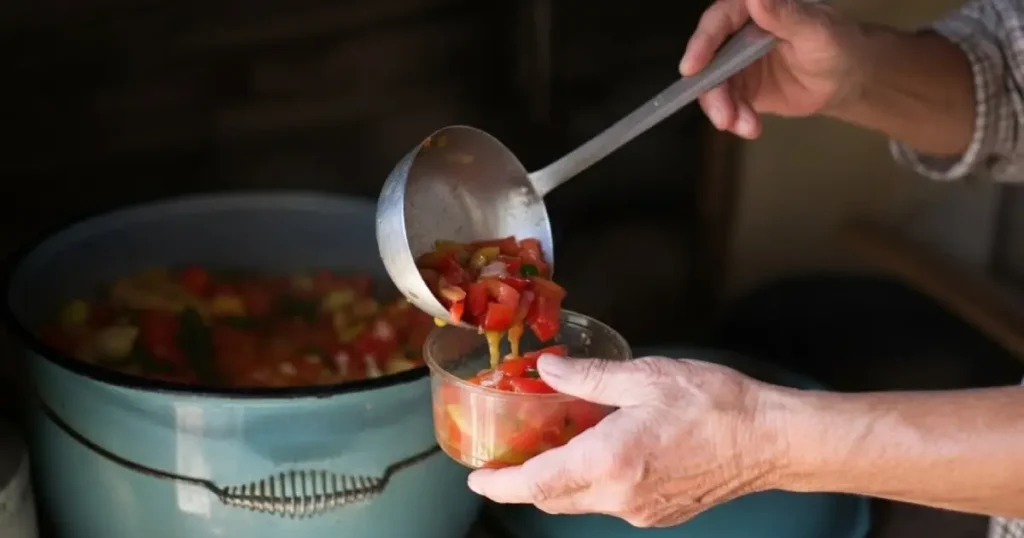
Step 3: Cut fruits into halves or small cubes, depending on size and desired final presentation. Smaller cuts release flavor more quickly; halves maintain visual appeal in the finished product. Crucially, fruits must remain raw—no cooking, blanching, or heat treatment should occur.
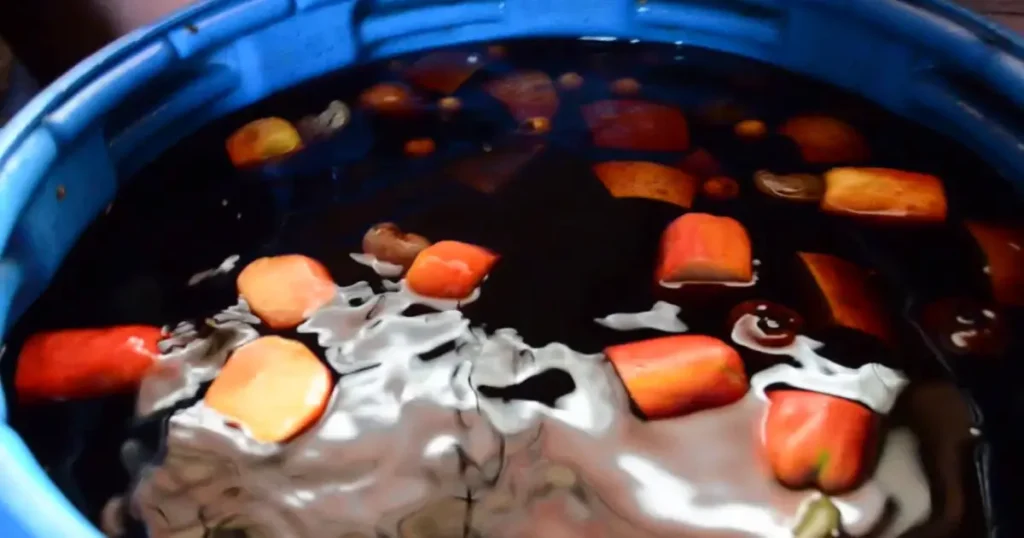
Step 4: Transfer prepared fruits into a large wooden barrel. Traditional producers in Salcajá use barrels that have held previous batches, their wood saturated with years of fermentation history.
Phase Two: The Long Fermentation
Step 5: Prepare cinnamon water by simmering cinnamon sticks in pure water, then cooling completely before use.
Step 6: Pour the cooled cinnamon water over the fruits in the barrel, ensuring adequate coverage.
Step 7: Seal the barrel and store in a cool, dark location. This is where patience becomes paramount—traditional fermentation continues for up to ten months. Some producers extend this period to years for intensified complexity. During this time, natural sugars in the fruit interact with ambient yeasts, wild or introduced, to produce alcohol while enzymes break down fruit structures and release flavor compounds.
Step 8: Check periodically without excessive opening, which introduces unwanted oxygen. Some producers “top up” with additional cinnamon water if evaporation occurs.
Phase Three: The Syrup and Fortification
Step 9: Approximately one hour before final assembly, prepare the clear liquor syrup. Combine water, yeast, and panela in a large pot.
Step 10: Bring this mixture to a boil, then reduce heat and simmer for approximately one hour, stirring occasionally. The result should be a clear, sweet liquid with subtle molasses notes from the panela.
Step 11: Allow the syrup to cool to room temperature before proceeding.
Step 12: Add the cooled syrup to the barrel containing the now-fermented fruits, stirring gently to combine.
Step 13: Add white liquor (licor blanco) or aguardiente to fortify the beverage. This addition stabilizes the fermentation and brings the alcohol content to the desired level.
Step 14: Allow the complete mixture to rest for at least two additional weeks before serving, though longer resting periods continue to improve the product.
Heritage in a Glass
Caldo de Frutas represents something increasingly rare in our age of instant gratification and industrial food production—a beverage that cannot be hurried, that rewards patience with complexity, and that carries within each glass the accumulated wisdom of generations. From its origins as a colonial improvisation to its current status as Salcajá’s defining contribution to Guatemalan gastronomy, this fermented fruit elixir embodies the creative resilience that emerges when cultures collide and adapt.
The families who continue producing traditional Caldo de Frutas serve as guardians of more than recipes. They preserve a philosophy that values time as an ingredient, that understands certain transformations cannot be rushed or replicated through shortcuts. In an era when fermentation has become fashionable and “artisanal” often means little more than marketing language, the producers of Salcajá demonstrate what genuine craft looks like—measured in months, perfected across generations, and shared during moments of celebration and connection.