Kak’ik of Guatemala: Authentic Cobán Turkey Soup Recipe & Story
What Is Kak’ik?
Kak’ik (pronounced kah-keek) is a traditional Guatemalan turkey soup that dates back to the ancient Q’eqchi’ Mayan civilization of Cobán, Alta Verapaz. Deep red in color and bursting with flavor, this dish is one of the oldest culinary treasures of Guatemala — recognized by UNESCO as part of the country’s Intangible Cultural Heritage.
Unlike other Latin soups, Kak’ik isn’t about heat or spice — it’s about balance. The name itself comes from the Q’eqchi’ language, meaning red and hot, referring to the soup’s vibrant hue rather than extreme spiciness. Made with turkey, local herbs, and roasted spices, Kak’ik embodies the highland traditions of Guatemala where every meal is a celebration of culture and earth.
Origins in Cobán and the Q’eqchi’ Mayan Tradition
Kak’ik has its origins in Cobán, a misty mountain city surrounded by lush forests and coffee plantations. For the Q’eqchi’ Mayan people, preparing Kak’ik was both a ritual and a feast, often served during community gatherings or special occasions like weddings, religious ceremonies, and market days.
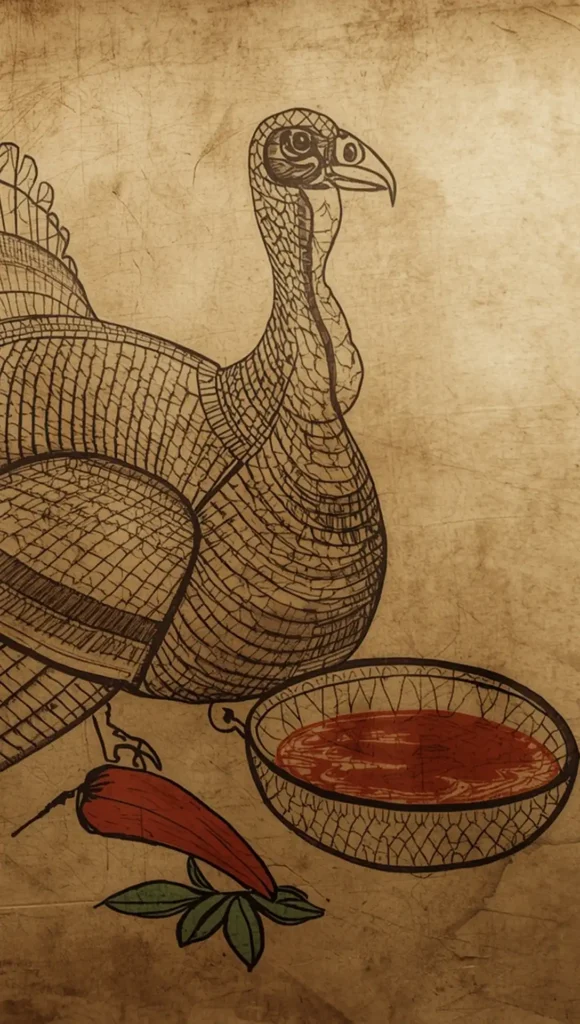
Historically, the turkey used in Kak’ik was considered sacred, symbolizing abundance and gratitude. The bright red broth — colored naturally by achiote (annatto) — represents life, energy, and blood, elements that were central to Mayan spiritual beliefs.
Over generations, the recipe evolved but the spirit of Kak’ik remained the same: a meal that unites family, community, and history.

Key Ingredients & Flavor Profile
What makes Kak’ik so distinctive is the combination of native Guatemalan ingredients and ancient cooking methods that build a deep, complex flavor.
Traditional Ingredients
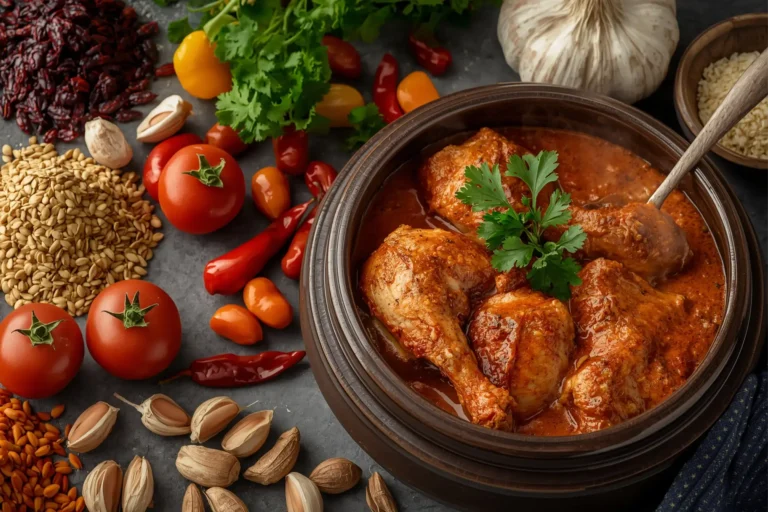
- Turkey (chompipe) – the star of the dish, usually cut into large pieces with bones for rich flavor.
- Achiote (annatto) – gives Kak’ik its signature red color and subtle earthiness.
- Garlic, onions, tomatoes, and bell peppers – the aromatic foundation of the broth.
- Local herbs – especially culantro (cilantrillo), which adds a bright, fresh note.
- Dried chilies (guaque or pasa) – mild and smoky rather than spicy.
- Corn masa or toasted bread – used to slightly thicken the broth.
Regional Variations
While Kak’ik de Cobán is the most traditional version, every household has its own secret twist. Some add roasted tomatoes for sweetness, others include cornmeal for body. In the western highlands, cooks sometimes add a touch of chile pasa for smokier depth.
Every bowl tells a story of the family behind it.

Equipment & Cooking Tips for Authentic Flavor
To make true Kak’ik Guatemalteco, the key is slow, patient cooking.
- Use a large stockpot or clay pot to develop a deep, layered flavor.
- Toast vegetables, seeds, and spices on a comal or dry skillet before blending.
- Never skip the toasting step — it releases oils that give Kak’ik its iconic aroma.
- Strain the blended sauce into the broth for a silky texture.
Pro tip: Always simmer gently. The broth should be clear yet richly colored, not cloudy or greasy.

Step-by-Step Kak’ik Recipe
Step 1 – Prepare the Turkey
Cut the turkey into large pieces (including bones). Place in a large pot with water, garlic, onion, and salt. Bring to a boil, then reduce heat and simmer until the meat is tender (about 1 ½ hours). Skim any foam from the surface.
Step 2 – Make the Recado (Sauce)
In a skillet, toast tomatoes, bell peppers, onions, garlic, and achiote until lightly charred. Add chilies and toast briefly. Blend everything with a cup of the turkey broth until smooth.
Step 3 – Combine and Simmer
Pour the blended sauce into the pot with the remaining broth and turkey. Add culantro and season with salt and pepper. Simmer uncovered for 30 minutes to let the flavors marry.
Step 4 – Serve
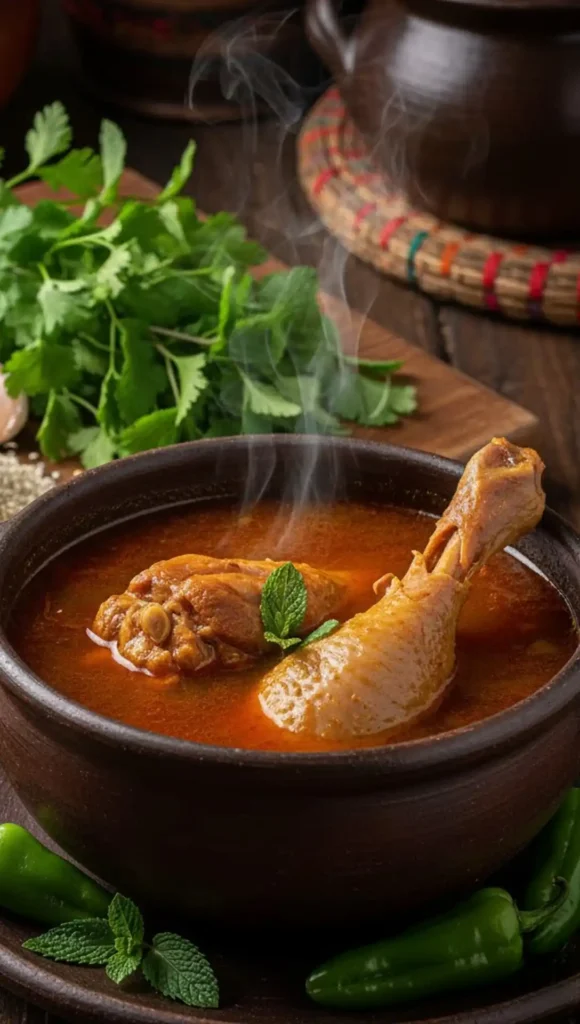
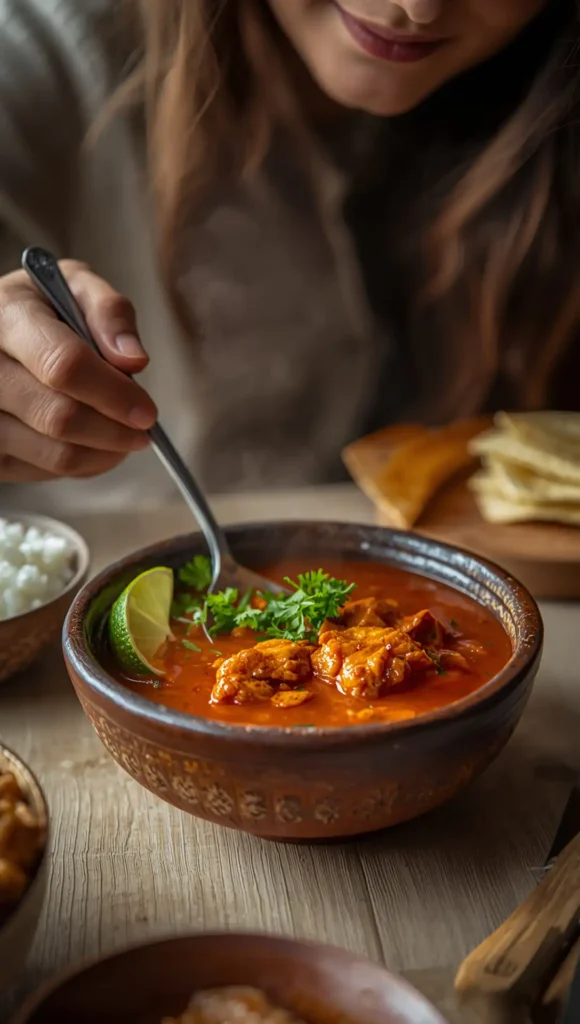
Serve hot, garnished with fresh culantro and lime wedges.
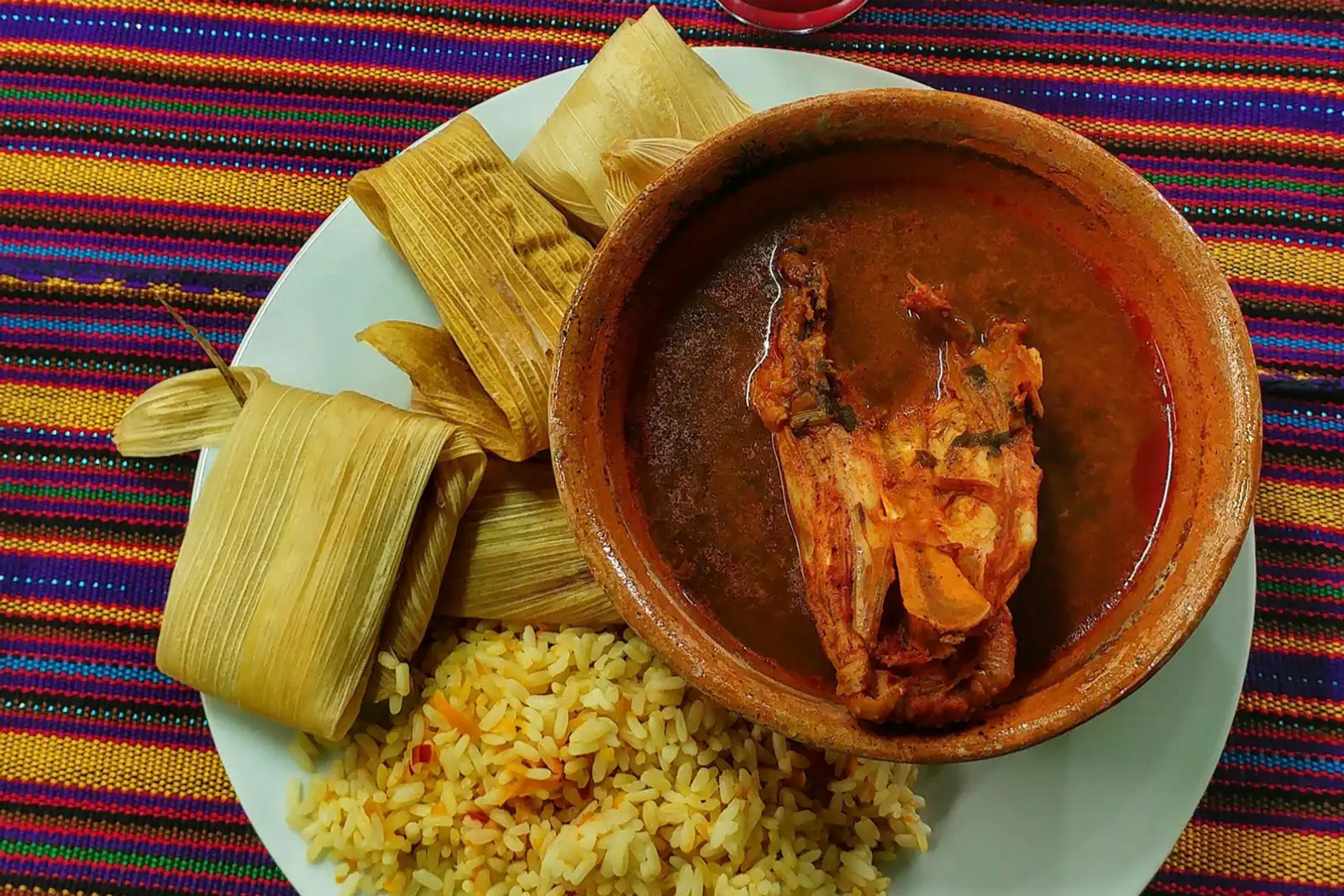
Traditional sides include white rice, corn tortillas, and sometimes tamales de masa blanca.
Variations & Dietary Options
- Chicken Kak’ik: For a lighter version, use chicken instead of turkey — it cooks faster and is easier to find.
- Vegetarian Kak’ik: Replace the meat with hearty vegetables like pumpkin, carrots, and chayote. The recado provides plenty of flavor on its own.
- Spice Level: Adjust the chilies to your taste. Kak’ik should be warm and aromatic, not fiery.
- Gluten-Free Tip: Use corn masa instead of bread to thicken the broth.
Cultural & Travel Insights
Kak’ik isn’t just food — it’s part of Guatemalan identity. You’ll find it at local festivals, weddings, and Sunday family lunches. In Cobán, it’s the dish that welcomes visitors and honors guests.
If you’re traveling through Alta Verapaz, don’t miss the chance to taste authentic Kak’ik Cobanero at small comedores or market stalls. Locals often serve it with tamales blancos and a cup of atol de masa on chilly mountain mornings.
Every spoonful tells you something about the land: the rivers, the foggy mountains, the warmth of the people who cook it.
Frequently Asked Questions
Final Thoughts
Among all Guatemalan traditional foods, Kak’ik stands out as a dish that connects generations. It represents the endurance of Mayan heritage and the harmony of Guatemala’s ingredients — earthy, fragrant, and full of life.
Whether you prepare it for a family celebration or a quiet evening at home, cooking Kak’ik is an invitation to taste centuries of history in one bowl.
Serve it warm. Share it proudly. And remember — in Guatemala, every meal begins and ends with gratitude.