
Chile Pasa Guatemala: The Ancestral Secret of Traditional Cuisine
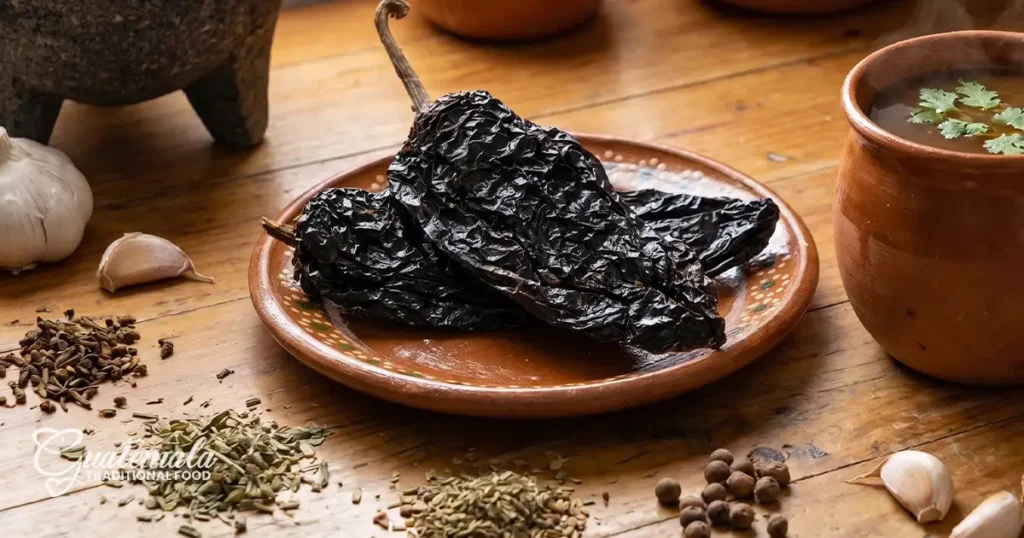
Welcome to Guatemala Food, and today we are going to talk about chile pasa guatemala, an ingredient that holds the very soul of our culinary heritage. If you have ever tasted a traditional Guatemalan stew and wondered where that deep, fruity, and slightly smoky flavor comes from, you have just found your answer.
Unlike other cuisines that use chilies purely for fiery heat, Guatemalan cooking uses dried chilies to build layers of complex, comforting flavors. Let’s dive into the history, uses, and magic of this incredible ingredient.
What is Chile Pasa in Guatemalan Gastronomy?
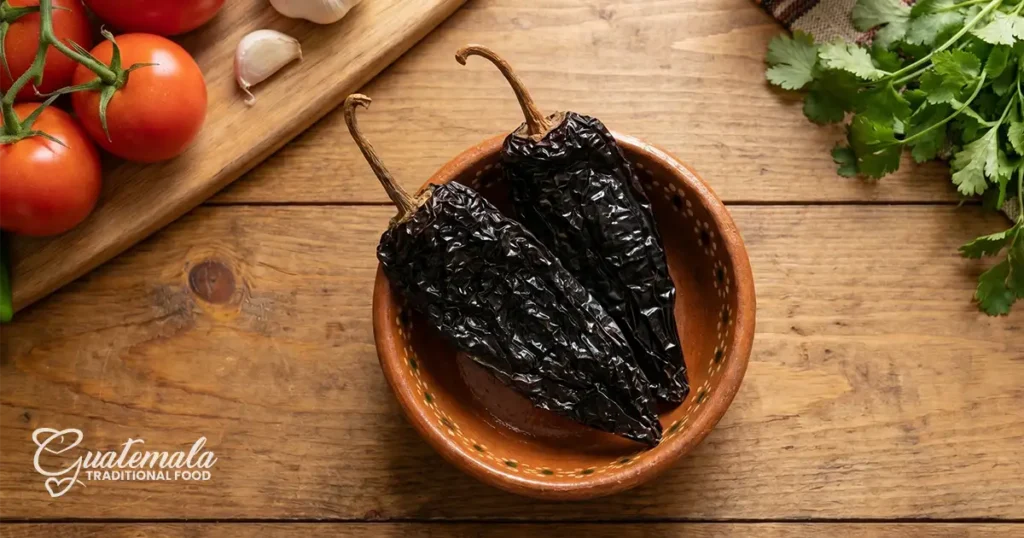
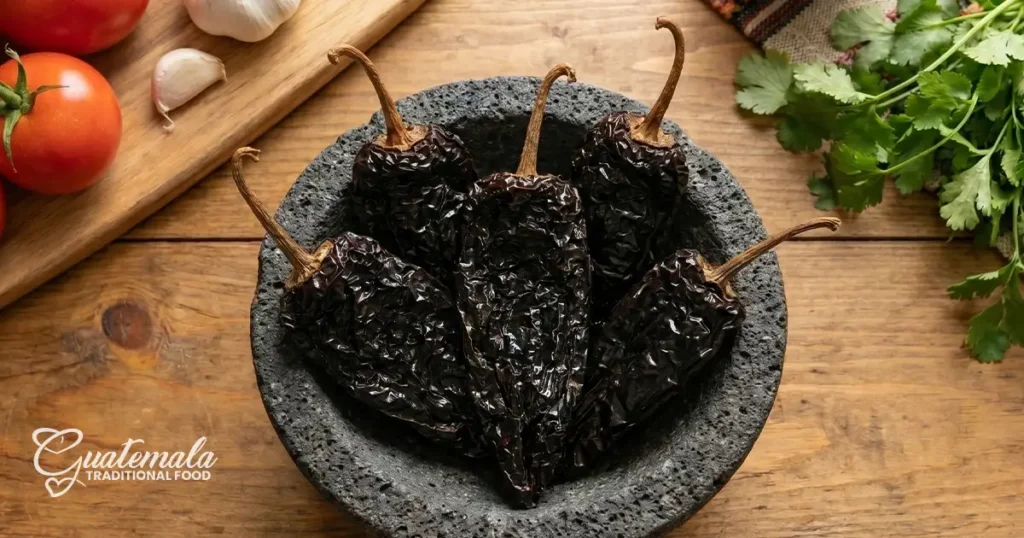
To truly appreciate our food, we need to understand our ingredients. The chile pasa is the carefully dehydrated version of the fresh chilaca pepper. Visually, it is striking: it has a dark brown, almost black color, an elongated shape, and a shiny, deeply wrinkled surface (which is why it is called "pasa," meaning raisin).
Its flavor profile is what makes it so beloved. Instead of overwhelming your palate with spice, it offers:
- A rich, natural sweetness.
- A distinct fruity undertone.
- A mild, slightly smoky finish.
- A very low heat level, designed to balance and enhance the other flavors in the dish.
Cultural and Spiritual Importance for the Mayan World
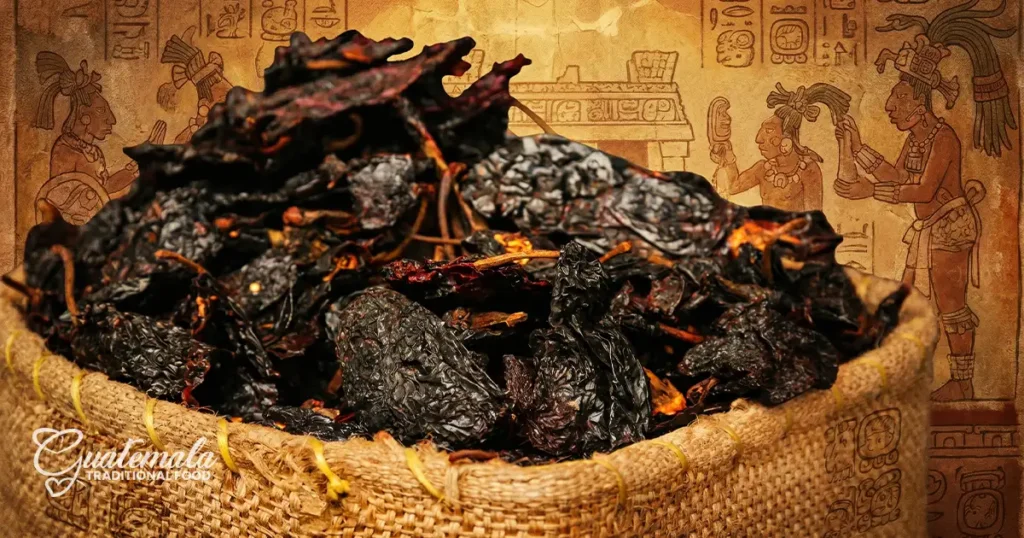
This chili is much more than just a seasoning; it is deeply woven into the history of Guatemala. For millennia, it has been an integral part of the ancestral milpa agricultural system, growing alongside corn, beans, and squash.
Its significance even crosses into the spiritual realm. In traditional Mayan culture, spiritual guides known as Ajq'ijab highly value these chilies. They recommend their consumption not just as food, but as a medicinal plant to prevent future illnesses and as a mystical tool for protection against negative energies.
The Best Traditional Guatemalan Recipes with Chile Pasa
In the kitchen, this ingredient is the absolute foundation for our most famous recados (complex sauces), moles, and meat adobos. Here are the iconic dishes where it truly shines:
1. El Pepián Guatemalteco
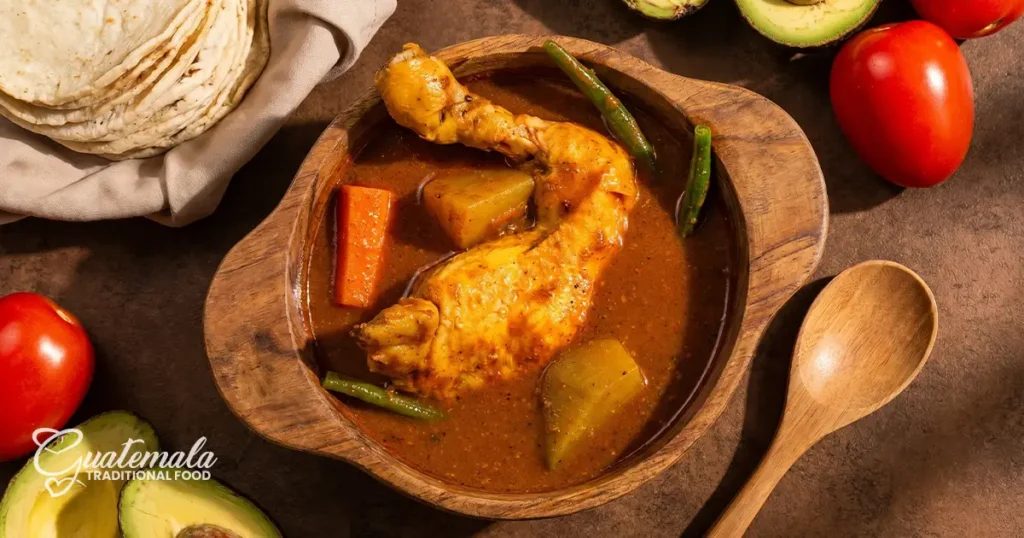
Declared an Intangible Cultural Heritage of the Nation, this ceremonial recado is a masterpiece. To make it, chile pasa is dry-roasted on a comal alongside chile guaque to give the stew its characteristic reddish-brown color and profound, earthy taste of pepian de Guatemala.
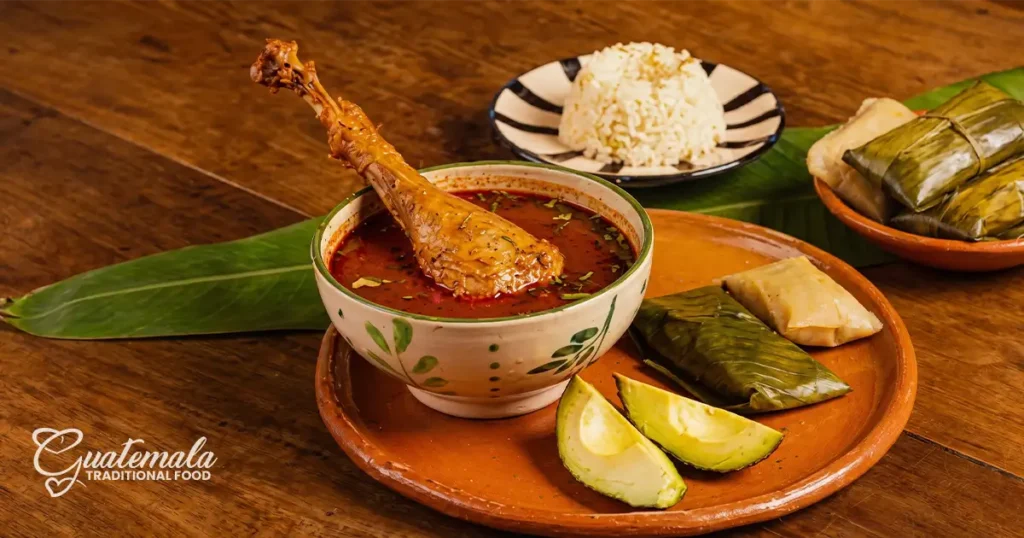
2. Kak'ik: The Mayan Q'eqchi' Broth
Originating from the lush region of Alta Verapaz, Kak'ik is an ancestral, vibrant red broth traditionally made with turkey (chompipe). The dried chili is fundamental in preparing the deeply aromatic base that gives this soup its world-renowned identity.
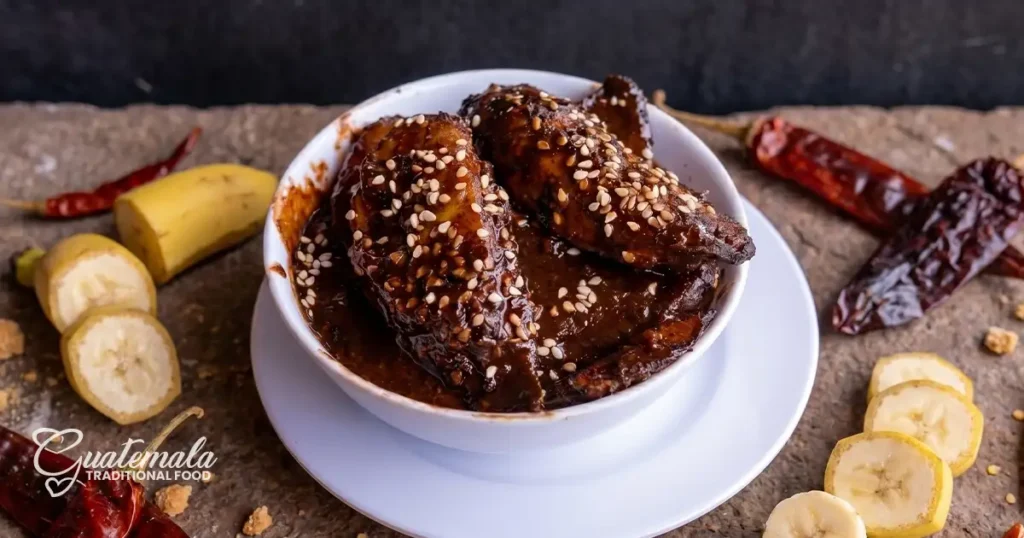
3. Mole Dulce de Plátano
Yes, we also use chilies in our desserts! To show its incredible versatility, this classic Guatemalan sweet treats blends the chili with artisanal chocolate, roasted pepitoria (pumpkin seeds), ajonjolí (sesame seeds), and cinnamon. It is then poured over sweet, fried plantains for an unforgettable flavor experience.
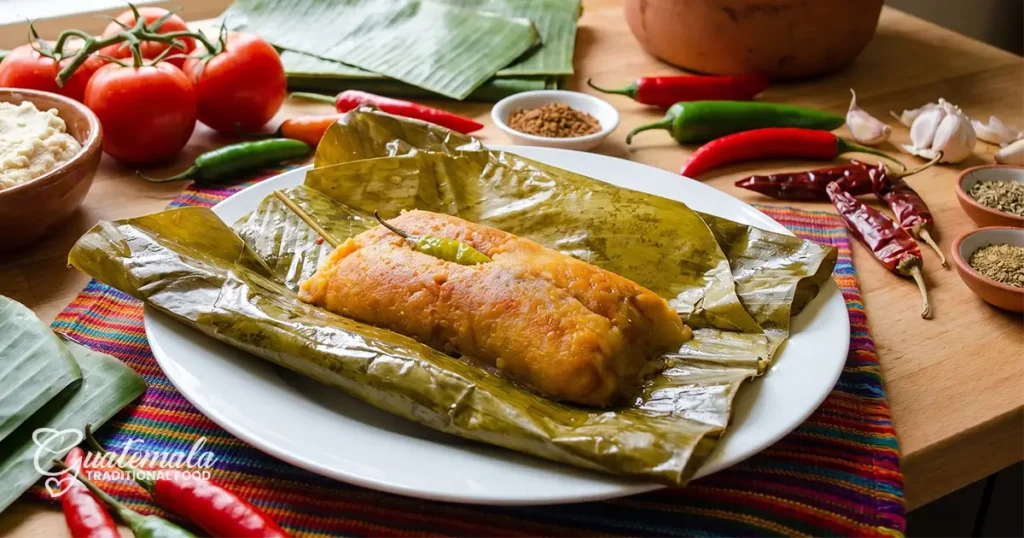
4. Tamales, Paches, and Suban-ik
It is also ground and blended to enrich the iconic sauces of:
- Tamales Colorados: The staple of Guatemalan holidays.
- Paches: The famous potato-based tamales from Quetzaltenango.
- Suban-ik: A ceremonial meat and chili stew traditionally steamed in maxán leaves.
Health Benefits of Chile Pasa
Beyond its incredible taste, adding this chili to your diet brings wonderful health benefits. It is rich in essential vitamins and antioxidants that support overall well-being. Furthermore, it contains capsaicina (capsaicin), the active component in chilies that is known to naturally boost digestion, improve the body's ability to absorb nutrients, and safely accelerate your metabolism.
Where to Buy Authentic Chile Pasa from Guatemala in the US?
For chapines and food lovers in the United States, finding the exact ingredient can be tricky, as Guatemalan chilies differ slightly in terroir and preparation from Mexican varieties.
Fortunately, there are now beautiful fair-trade projects exporting authentic, organic, and hand-toasted chile pasa guatemala directly from the fertile lands of Alta Verapaz to the US market. By purchasing these specific exports, you are not only getting the authentic flavor for your Pepián, but you are also supporting the indigenous Kaqchikel Maya families who work tirelessly to preserve these traditional agricultural practices and maintain a deep respect for nature.
Frequently Asked Questions (FAQ)
What is chile pasa made of? It is the dried and dehydrated form of the fresh chilaca pepper. The drying process concentrates its natural sugars and gives it a wrinkled, raisin-like appearance.
Is chile pasa spicy? No, it has a very mild heat level. It is primarily used in Guatemalan cuisine to provide color, natural sweetness, and a rich, smoky depth to sauces rather than to make a dish spicy.
Can I substitute Mexican pasilla peppers for Guatemalan chile pasa? While they are botanically similar (both coming from the chilaca pepper), the soil, climate, and traditional drying methods in Guatemala give the local variety a slightly different flavor profile. However, if you are in a pinch in the US, the Mexican pasilla is the closest substitute you can find at a standard grocery store.
Now we want to hear from you! Have you ever cooked with this incredible ingredient? What is your favorite traditional dish that uses it? Let us know in the comments below!
If you want to see other articles similar to Chile Pasa Guatemala: The Ancestral Secret of Traditional Cuisine you can visit the category Ingredients.