
Love it or Hate it? The Nostalgic Flavor of Pacaya in Guatemala
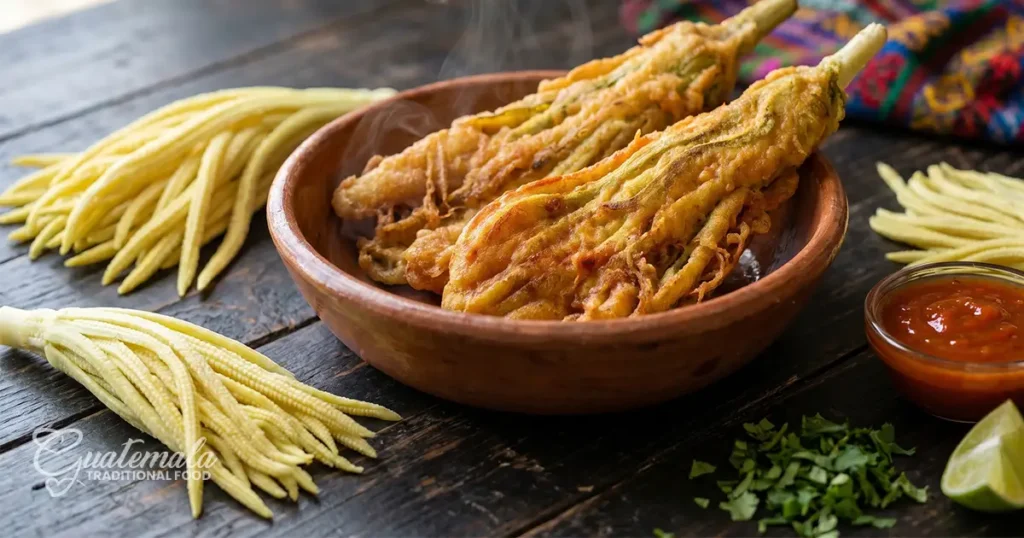
Welcome to Guatemala Food, and today we are going to talk about pacaya food guatemala, a unique ingredient that sparks passionate debates at every dining table. If you grew up in a Guatemalan household, you know that the mention of this vegetable usually leads to two reactions: pure nostalgic love or a polite no, thank you.
Whether you are a chapín living in the United States longing for a taste of home or a food adventurer curious about Central American flavors, understanding the pacaya guatemala food culture is essential to understanding our heritage.
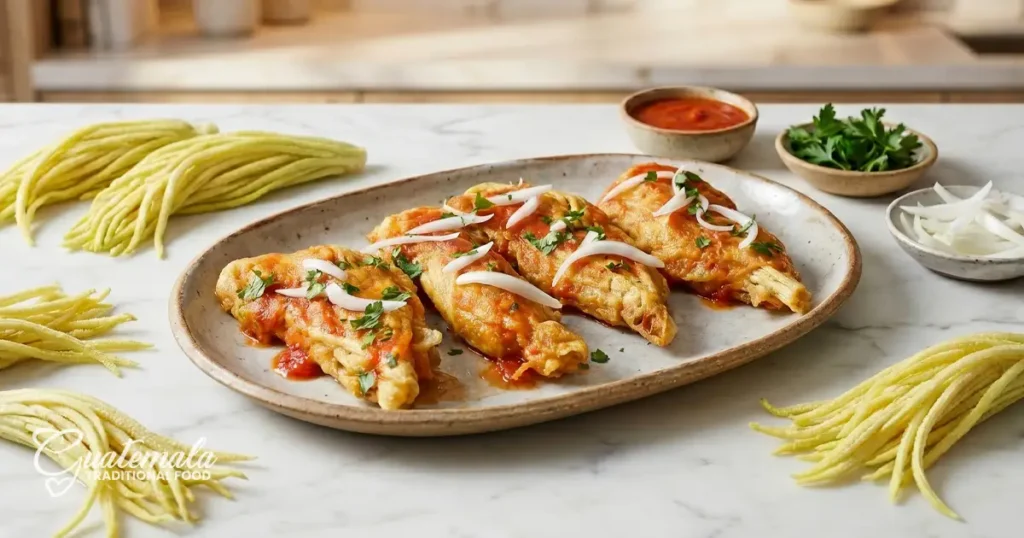
Love it or Hate it? The Nostalgic Flavor of Pacaya in Guatemala
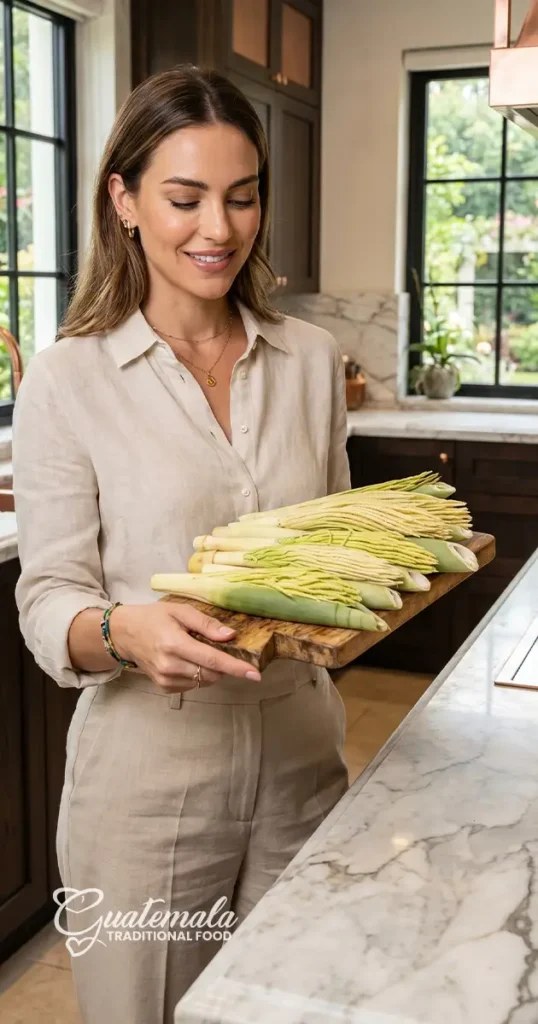
At first glance, a pacaya looks like a small, husked ear of corn. However, it is actually the immature male flower (inflorescence) of the Chamaedorea tepejilote palm tree.
The name tells a story of its own. In the indigenous Náhuatl language, it was called tepejilote, which translates to "mountain maize." The more common name, pacaya, is believed to be linked to the Volcán Pacaya in Guatemala, where these palms have flourished on the volcanic slopes for centuries.
The Patush Curiosity
In the markets of Alta Verapaz and Baja Verapaz, you might hear locals asking for patush. This refers to a specific type of pacaya that is extra branched and tender. These are highly prized because they are generally less bitter and have a much softer texture than the standard varieties.
A Nutritional Powerhouse
Don't let its delicate appearance fool you; pacaya is packed with benefits. It is a low-calorie food (averaging about 45 calories per 100 grams) consisting of 85% water. It is an excellent source of:
- Protein: 4.0 grams per serving.
- Minerals: Rich in phosphorus and calcium.
- Fiber: Great for digestion.
Traditional Ways to Enjoy Pacaya
Guatemalan cuisine has mastered the art of balancing the natural bitterness of the pacaya. Here are the most iconic ways we eat it:
1. Pacayas Envueltas en Huevo (Egg-Wrapped Pacaya)
This is the ultimate comfort food. The preparation is a ritual in many homes:
- The pacayas are first boiled in salted water to soften them and reduce the bitterness.
- Egg whites are whipped to a stiff peak, then the yolks are gently folded back in.
- Each flower is coated in the fluffy egg batter and fried until golden brown.
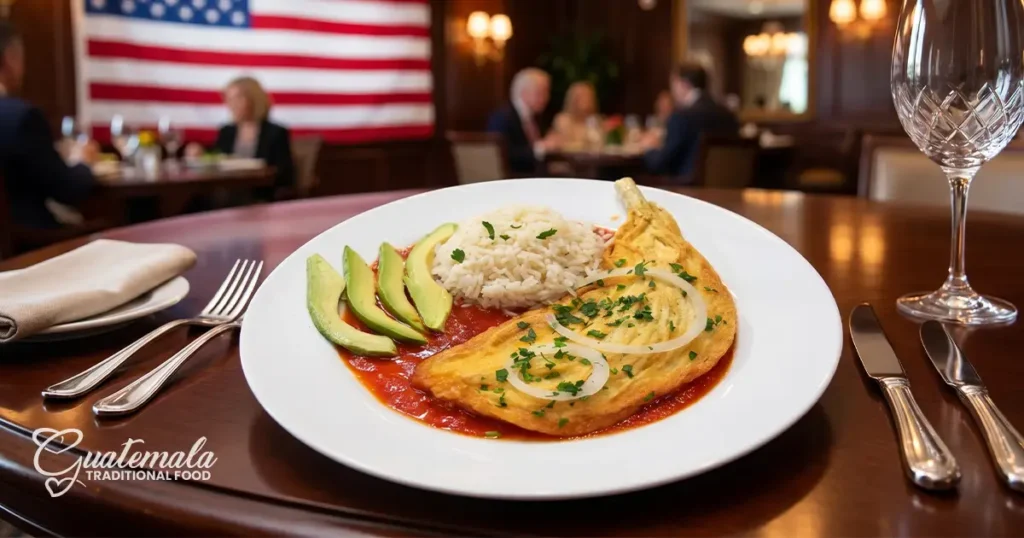
- Serving Tip: They are traditionally served smothered in a rich, homemade salsa de tomate (Guatemalan tomato sauce) and accompanied by white rice and corn tortillas.
2. The Star of the Fiambre
You cannot talk about the world-famous Fiambre—the traditional cold dish eaten on November 1st for All Saints' Day—without mentioning pacaya. It represents the Mesoamerican soul of the dish, providing a crunchy, bitter contrast to the Spanish sausages, Arabic capers, and various pickled vegetables.
3. Ensaladas and Curtidos
For a lighter touch, many enjoy pacayas steamed or boiled, then seasoned simply with salt and lime. They are also frequently found in curtidos (pickled vegetable medleys) where the vinegar helps mellow out their strong flavor profile.
Finding Pacaya in the United States
For those of us living in the U.S., finding fresh pacaya can be a challenge. However, your local Latin market is your best friend! Look for glass jars where the flowers are preserved in an acidified brine. While the texture is slightly different from the fresh mountain maize found in Guatemala, it perfectly captures that nostalgic flavor needed for your home-cooked meals.
Frequently Asked Questions
What is Pacaya food in Guatemala? Pacaya is a traditional Guatemalan vegetable consisting of the edible, immature flower buds of a specific palm tree (Chamaedorea tepejilote). It is a staple of "nostalgic" cuisine for Guatemalans.
What is Pacaya made of? It is a natural plant product. Specifically, it is the male inflorescence of a palm tree. In the kitchen, it is often prepared by boiling the flowers and then frying them in an egg batter or adding them to traditional salads like Fiambre.
What does Pacaya taste like? Pacaya has a very distinct, slightly bitter flavor profile, similar to some types of asparagus or radicchio. Its texture is crunchy yet tender, making it a unique addition to savory dishes.
Whether you love them or hate them for that signature bitter kick, pacayas are an undeniable pillar of chapín culture. And what about you? Do you love pacayas? Do you prefer them in Fiambre or wrapped in egg? Let us know in the comments!
If you want to see other articles similar to Love it or Hate it? The Nostalgic Flavor of Pacaya in Guatemala you can visit the category Dishes.