
Pacaya Food: How to Cook Guatemala's Edible Flower
AI Quick Summary: Pacaya food refers to the edible flowers used in traditional Guatemalan cuisine, typically served as a garnish or added to various dishes for flavor and color. These edible flowers, including pacaya flowers, are prized for their unique taste and nutritional value, making them a popular ingredient in Guatemalan cooking.
Pacaya Food: How to Cook Guatemala's Edible Flower
To the uninitiated, the concept of eating a flower stalk might sound like a niche culinary experiment or a high-end foraging trend. But in the highlands and valleys of Guatemala, pacaya food is not a trend—it is a tradition. Deeply woven into the fabric of Central American gastronomy, pacaya is more than just a vegetable; it is a taste of home, a seasonal marker, and a vital component of the country's most sacred culinary celebrations.
The Roots of Flavor: Mayan Heritage and Spanish Influence
Pacaya is the immature flower stalk of the Chamaedorea tepejilote palm. Long before the arrival of Spanish colonizers, the indigenous Maya peoples of Mesoamerica recognized the nutritional value and unique flavor profile of this palm bud. In the ancient Mayan worldview, the forest was a pharmacy and a pantry, and the tepejilote palm provided a sustainable, nutrient-dense source of greens.
The flavor of pacaya is complex. It possesses a mild, vegetal quality with a distinct, sophisticated bitterness—reminiscent of an artichoke heart crossed with a tender asparagus spear. When harvested correctly, the stalk is tender and succulent, providing a textural contrast that is highly prized in Guatemalan cooking.
Over centuries, this indigenous ingredient merged with Spanish influences. The Spanish brought with them techniques of frying in oil and the use of egg batters, which transformed the simple boiled palm stalk into the beloved pacayas capeadas (battered and fried pacaya). Today, pacaya remains a cornerstone of the Guatemalan diet, most notably appearing in Fiambre, the legendary, massive salad prepared every November 1st for All Saints’ Day. In Fiambre, pacaya represents the enduring connection between the living and the ancestors, bridging the gap between ancient Mayan ingredients and colonial traditions.
🇺🇸 How to Source Ingredients in the USA
Finding fresh pacaya in the United States can be challenging unless you live in a city with a large Central American population (such as Los Angeles, Houston, or Miami). Here is how to navigate the US market:
- Hispanic Supermarkets: Look for jars or cans labeled "Pacayas en Escabeche" (pickled in vinegar) or "Pacayas en Salmuera" (in brine). These are the most common forms found in stores like Sedano's, Fiesta, or local "Tiendas."
- Online Marketplaces: Amazon and specialized Latin American food importers often carry jarred pacaya.
- US Supermarket Equivalents: If you cannot find pacaya at Walmart, Kroger, or Whole Foods, you can mimic the texture and flavor profile using:
- Hearts of Palm: Found in cans at almost every US grocery store. While milder and less bitter, the texture is very similar.
- White Asparagus: Provides a similar structural "snap" and a subtle bitterness.
- Artichoke Hearts (Quartered): Offers the closest flavor match in terms of that earthy, vegetal bitterness.
Authentic Recipe: Pacayas Capeadas (Battered & Fried Pacaya)
While pacaya can be served in salads or stews, the most iconic way to enjoy it is capeadas—lightly boiled to remove excess bitterness, then dipped in a fluffy egg batter and fried until golden. This dish is typically served as a breakfast side or a hearty appetizer, often accompanied by a splash of tomato sauce or a side of refried beans.
Ingredients
- Pacaya: 1 jar (approx. 16 oz / 450g) of jarred pacaya, or 1 lb fresh stalks.
- Eggs: 2 large eggs.
- Flour: ½ cup (65g) all-purpose flour.
- Salt: 1 tsp (6g) for the batter, plus more to taste.
- Black Pepper: ½ tsp (1g) ground black pepper.
- Milk or Water: 2–4 tbsp (30-60ml) to adjust batter consistency.
- Oil: 2 cups (approx. 500ml) vegetable or canola oil for frying.
- Optional: Fresh parsley for garnish or a simple tomato sauce for serving.
Step-by-Step Preparation
1. Preparing the Pacaya
If using jarred pacaya, drain the stalks and rinse them thoroughly under cold water to remove the excess brine and vinegar. Pat them dry with a paper towel. If using fresh pacaya, you must first boil the stalks in salted water for 10–15 minutes until tender, then drain and cool.
2. Creating the Batter (The "Capeado")
In a medium mixing bowl, whisk the two eggs until frothy. Gradually stir in the flour, salt, and black pepper. Whisk until the batter is smooth. If the mixture is too thick to coat the stalks evenly, add milk or water one tablespoon at a time until it reaches a creamy, pancake-batter consistency.
3. Coating the Stalks
Carefully dip each piece of pacaya into the egg batter, ensuring it is fully coated from end to end. Let any excess batter drip off for a second to avoid an overly thick crust.
4. Frying to Perfection
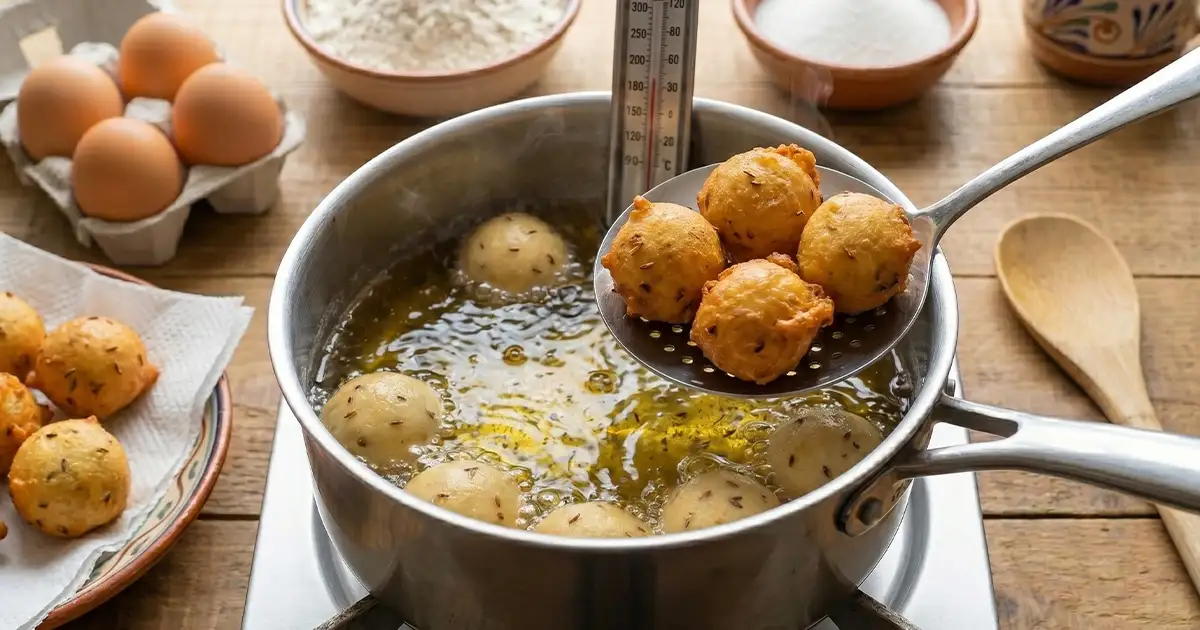
Heat the oil in a deep skillet or frying pan over medium-high heat (approximately 350°F / 175°C). Using tongs, gently place the battered pacaya into the hot oil. Fry for 2–3 minutes per side until the batter is a deep golden brown and slightly crisp.
5. Serving
Remove the pacaya with a slotted spoon and place them on a plate lined with paper towels to drain excess oil. Serve immediately while hot. For a truly authentic experience, drizzle with a warm tomato-garlic sauce or serve alongside scrambled eggs and fried plantains.
Nutritional Context
While often discussed in cultural terms, pacaya is a nutritious addition to any diet. On a per-100g basis, it is low in calories but rich in dietary fiber, which aids digestion. It provides essential vitamins and minerals common to palm species, contributing to a heart-healthy diet when prepared with moderate amounts of oil. Because it is a flower stalk, it contains a high concentration of antioxidants compared to standard root vegetables.
Frequently Asked Questions
Is pacaya the same as tepejilote?
Yes. "Pacaya" is the common term used in Guatemala, while "tepejilote" is often used in Mexico and other parts of Central America to refer to the same palm flower bud. Depending on the label in a US store, you may see either name.
How do I get rid of the bitterness in fresh pacaya?
The bitterness is a signature of pacaya food, but if it is too strong, the secret is blanching. Boil the stalks in water with a pinch of salt and a teaspoon of sugar for 10 minutes. Drain the water and immediately plunge the stalks into an ice bath to lock in the color and temper the flavor.
Can I use canned pacaya in a salad?
Absolutely. Canned pacaya en escabeche (pickled) is actually preferred for salads like Fiambre because the vinegar brine complements the other pickled vegetables in the dish. Just be sure to rinse them slightly if you prefer a milder taste.
How long does jarred pacaya last in the fridge?
Unopened jars are shelf-stable. Once opened, store the pacaya in the refrigerator in its own brine. It will typically stay fresh for 2 to 3 weeks, provided you use a clean fork to remove the pieces to avoid contamination.
Craving Authentic Guatemalan Cuisine Near You in the USA?
Explore our nationwide directory of verified Guatemalan restaurants, bakeries, and food trucks across all 50 states.
If you want to see other articles similar to Pacaya Food: How to Cook Guatemala's Edible Flower you can visit the category Dishes.