
Everything you need to know about chile guaque guatemala: uses, flavor, and where to buy it in the US
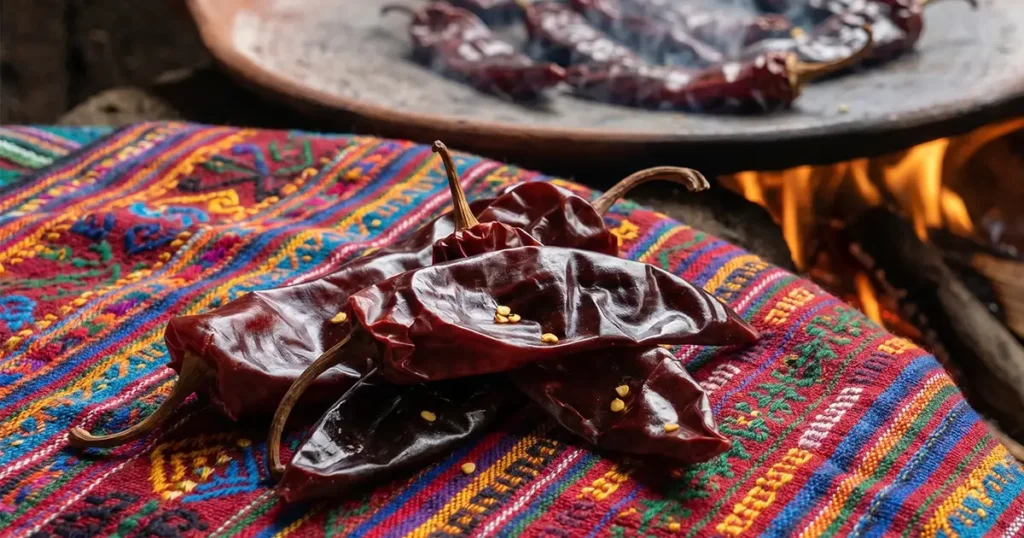
Welcome to Guatemala Food, and today we are going to talk about chile guaque guatemala, one of the most essential and historically rich ingredients in our traditional gastronomy. If you want to replicate the authentic taste of Mayan cuisine in your own kitchen, understanding this unique pepper is the perfect place to start.
Before we dive deep into the recipes and cultural history, here are the quick facts you need to know about this wonderful pepper:
- Origin: Cultivated primarily in the central highlands (altiplano central) and the Alta Verapaz region.
- Flavor profile: It has a deep smoky flavor with a mild to low heat level.
- Main culinary uses: It is the base for traditional salsa de recado, pepián, and the classic tamal guatemalteco.
- Best US substitutes: Chile guajillo, chile chipotle, or chile morita.
- What is chile guaque and what is its heat level?
- Difference between chile guaque and chile guajillo
- Traditional uses in Guatemalan gastronomy
- How to find or substitute chile guaque in the United States
- Medicinal properties and its importance in Mayan culture
- Where to buy organic imported chile guaque from Alta Verapaz
- Frequently asked questions (FAQ) about chile guaque
What is chile guaque and what is its heat level?
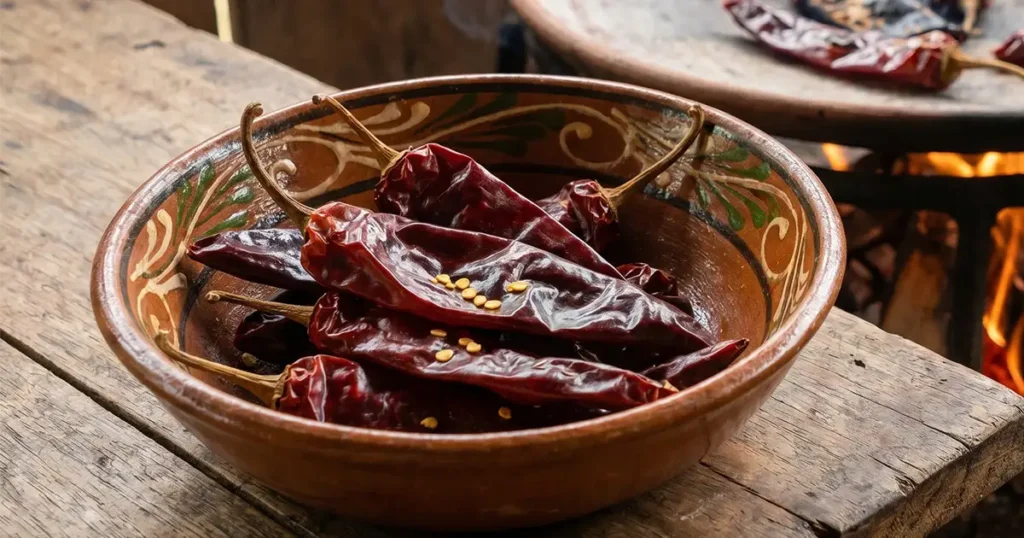
When you look at a dried chile guaque, you will notice its wrinkled skin and deep reddish-black hue. Despite its slightly intimidating appearance, it is incredibly approachable for those who do not like overly spicy food. Its heat level is classified as mild to low. Instead of burning your palate, it delivers a deep smoky flavor that adds a robust, earthy complexity to stews and sauces.
Difference between chile guaque and chile guajillo
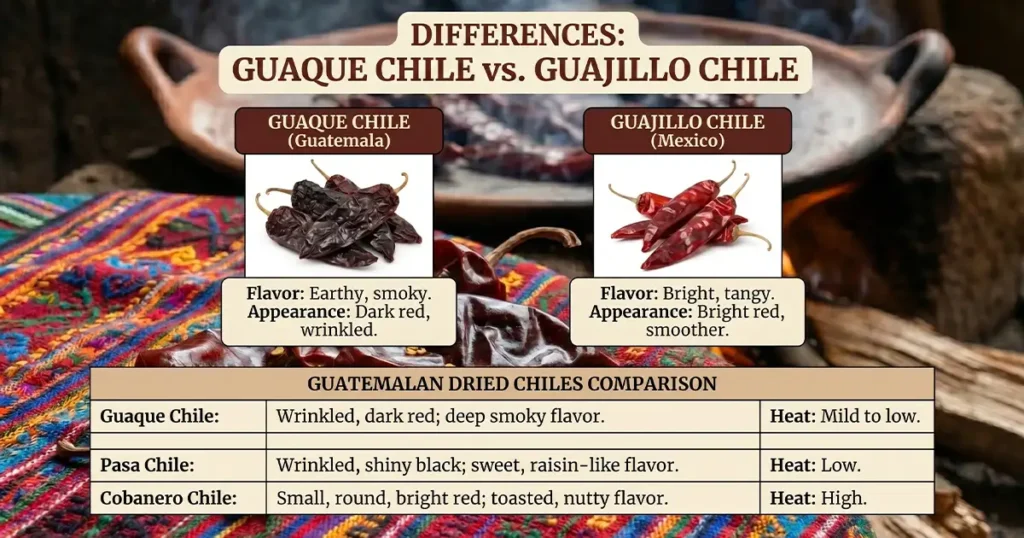
If you live in the United States, you are likely very familiar with Mexican dried chiles. Many people ask if chile guaque is just the Guatemalan name for chile guajillo. While they are closely related and share a similar visual profile, they are distinct varieties shaped by the terroir of their respective regions.
In some regions, similar or related peppers are known by names like chile mirasol, chile miracielo, or chile parado. However, the authentic chile guaque from Guatemala has a slightly earthier and smokier undertone compared to the brighter, tangier notes of a standard guajillo.
To help you identify the right pepper for your recipe, here is a quick comparison of the most common Guatemalan dried chiles:
| Type of chile | Flavor and appearance | Heat level |
| Chile guaque | Wrinkled, dark red; deep smoky flavor | Mild to low |
| Chile pasa | Wrinkled, shiny black; sweet and raisin-like | Low |
| Chile cobanero | Small, round, bright red; roasted and nutty | High |
Traditional uses in Guatemalan gastronomy
The magic of this pepper truly shines when it is hydrated and blended into thick, vibrant sauces. It is the backbone of our culinary heritage.
The key ingredient for an authentic kak'ik and tamales guatemaltecos
You cannot make an authentic caldo kak'ik de cobán (a traditional turkey soup) without the rich, red salsa de recado. To release its maximum flavor, the traditional method involves roasting your tomatoes, tomatillos, and garlic on a comal, and then lightly toasting the chile guaque. After removing the seeds, you soak the chiles in hot turkey broth until they soften. Once blended, they create the thick, deeply colored sauce that gives kak'ik and the traditional tamal guatemalteco their signature taste.
The traditional cherepe from San Andrés Itzapa
Beyond the famous kak'ik, this pepper is also the star of regional dishes like the plato cherepe. This dish is particularly beloved in San Andrés Itzapa and parts of Sololá. The earthy notes of the chili perfectly complement the rich, hearty ingredients of this local delicacy, proving how versatile this ingredient is across different regions of the country.
How to find or substitute chile guaque in the United States
We know that finding authentic Guatemalan ingredients abroad can sometimes be a challenge. If you cannot find imported chile guaque, you can successfully use Mexican smoked chiles as substitutes.
The most accessible replacement in the US is the chile guajillo, which will give you the right color and texture for your recado. If you want to replicate that missing deep smoky flavor, you can blend the guajillo with a small amount of chile morita or chile chipotle. If you prefer a tiny kick of extra heat, a pinch of chiltepín can also elevate the sauce.
Medicinal properties and its importance in Mayan culture
This pepper is much more than just a culinary ingredient; it holds a sacred place in the sistema milpa maya, the ancestral agricultural system that intercrops corn, beans, and squash.
Culturally, it is highly valued for its health benefits. It is packed with antioxidants, vitamin A, and vitamin C, making it excellent for supporting the immune system and aiding digestion. In traditional Mayan beliefs, the pungent smoke of burning chiles is even used in spiritual practices to cleanse environments and prevent negative energy.
Where to buy organic imported chile guaque from Alta Verapaz
For those who want the absolute most authentic flavor, purchasing directly imported products is the way to go. You can often find small, 1-ounce packets of organic chile guaque imported directly from Alta Verapaz or the central highlands in specialized online Hispanic markets or local Central American grocery stores. Buying these imported packs not only guarantees the authentic smoky flavor for your recipes but also supports the local farmers who still harvest and toast these peppers by hand.
Frequently asked questions (FAQ) about chile guaque
Is chile guaque the exact same thing as chile guajillo?
No, they are not the exact same. While they are very similar and often used interchangeably in the US out of necessity, chile guaque is a specific Guatemalan variety known for a slightly smokier and earthier profile compared to the Mexican guajillo.
Do I need to remove the seeds before cooking?
Yes. To achieve the smoothest recado sauce and control the texture, it is highly recommended to snip off the stem, open the dried chili, and remove all the seeds and veins before toasting and soaking them in hot water or broth.
How spicy is it?
It is very mild. It is used primarily for its rich color and deep flavor rather than its heat. If you are cooking for people who are sensitive to spicy foods, this pepper is a very safe and flavorful choice.
If you want to see other articles similar to Everything you need to know about chile guaque guatemala: uses, flavor, and where to buy it in the US you can visit the category Ingredients.