Guatemalan Hot Chocolate: Ancient Traditions & Authentic Recipes
Sacred Mayan Xocolatl to Modern Recipes
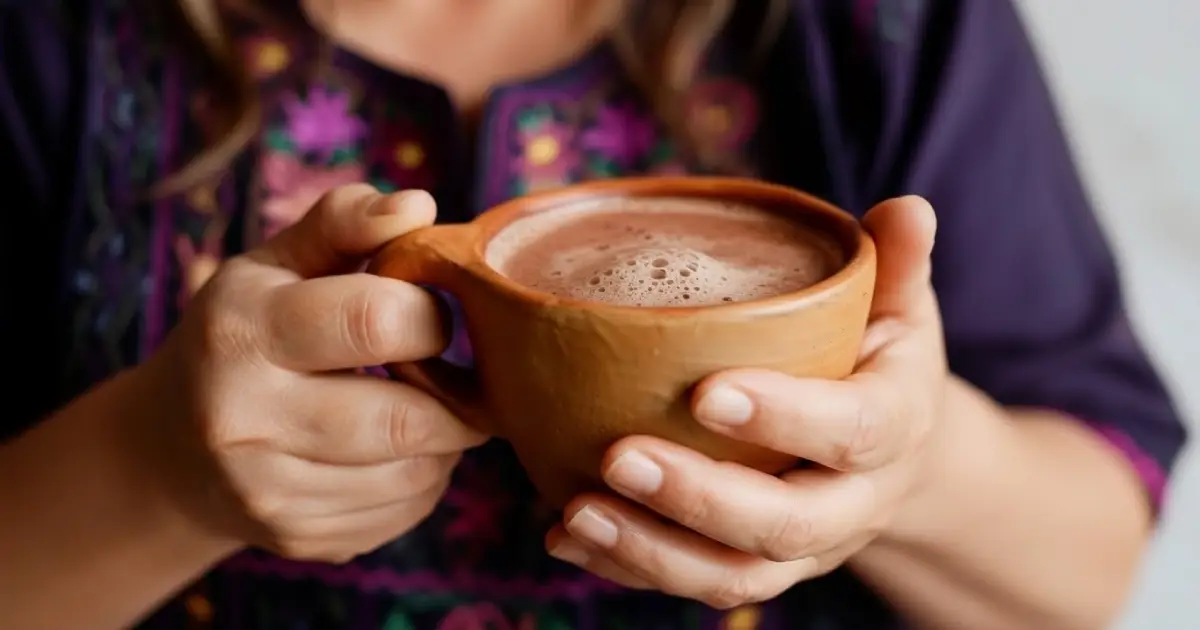
Long before chocolate became synonymous with Valentine’s Day boxes and Swiss confections, it was something far more profound—a sacred elixir coursing through the spiritual and economic veins of Mesoamerican civilization. In the misty highlands and lush lowlands of what is now Guatemala, the Maya cultivated cacao not merely as a crop, but as a divine gift worthy of gods and kings. The bitter, frothy beverage they created bears almost no resemblance to the sweetened cups we cradle on cold mornings, yet its legacy persists in every tablet of Guatemalan chocolate dissolved into steaming milk today.
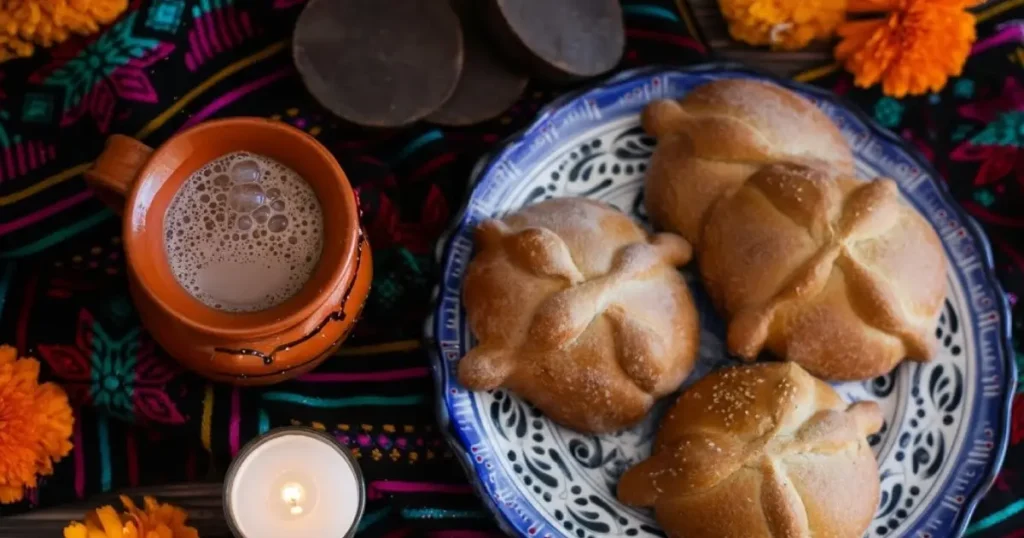
Understanding Guatemalan hot chocolate requires more than a recipe—it demands an appreciation for millennia of cultural evolution, colonial transformation, and the remarkable resilience of ancestral foodways. Resources like Guatemala Food have documented how this nation’s chocolate traditions represent one of humanity’s most significant culinary inheritances, a living bridge between ancient ceremony and contemporary comfort.
Historical and Cultural Background: The Maya Cacao Legacy
Sacred Origins in the Guatemalan Lowlands
The story of chocolate begins not in European patisseries but in the humid forests of the Petén and Alta Verapaz regions, where the Maya civilization first cultivated Theobroma cacao—literally “food of the gods” in Greek, a name bestowed centuries later by European botanists who recognized what the Maya had always known. Archaeological evidence suggests cacao cultivation in this region dates back at least 3,000 years, making Guatemala one of humanity’s oldest continuous chocolate-producing territories.
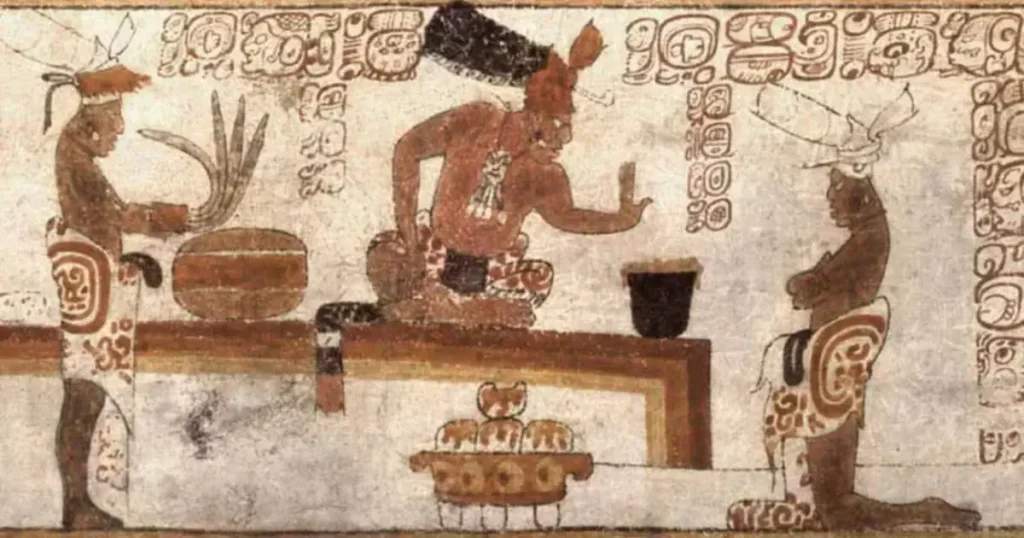
For the Maya, cacao transcended agriculture. The plant occupied a central position in their cosmological worldview, appearing in creation myths and sacred texts. The Popol Vuh, the Maya creation narrative, references cacao as one of the substances from which the gods fashioned human flesh. This wasn’t hyperbole or poetic license—it reflected a genuine belief that cacao possessed divine properties capable of bridging the mortal and spiritual realms.
Etymology: Decoding Ancient Words
The linguistic roots of chocolate reveal its original character with remarkable precision. The word “cacao” derives from the Nahuatl term cacahoatl, translating directly as “bitter juice”—an accurate description of the unsweetened beverage consumed for millennia. Meanwhile, “chocolate” itself emerges from the Maya word chocol, combining concepts of “hot” and “water.” These etymologies remind us that the original preparation was fundamentally a hot, bitter, water-based drink, not the creamy, sweetened confection we know today.
The Ancient Preparation: Xocolatl
A Ceremonial Beverage Unlike Any Modern Chocolate
The Maya preparation known as xocolatl bears so little resemblance to contemporary hot chocolate that tasting it would likely shock modern palates. This was not a dessert beverage or comfort drink—it was a ceremonial elixir, an energy-giving preparation central to religious life and elite social functions.
Traditional Xocolatl Method
The preparation process required considerable skill and specific ingredients:
- Roasting the beans: Raw cacao beans were carefully roasted over fire until aromatic and slightly darkened, developing the complex flavor compounds we associate with chocolate.
- Grinding: The roasted beans were ground using a metate (stone grinding slab), often mixed with dried corn to create a paste that could be stored or immediately prepared.
- Mixing with water: The ground cacao-corn mixture was combined with water, never milk, which was unavailable in pre-Columbian Mesoamerica.
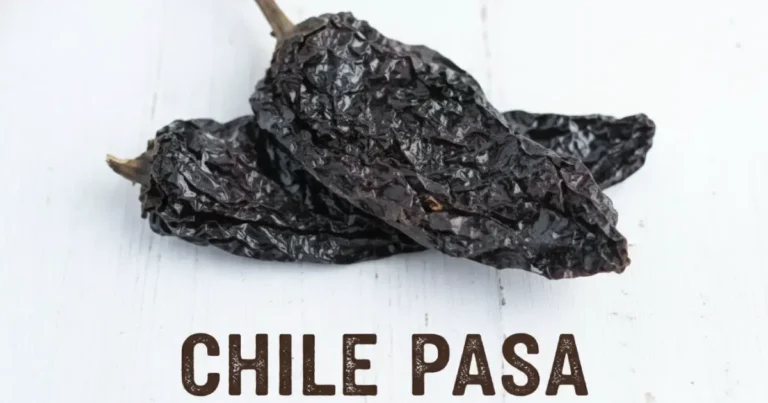
- Adding spices: Here lies the crucial difference—rather than sugar and vanilla, the Maya added chiles (hot peppers) to create a spicy, warming quality that enhanced the stimulant effects of cacao’s natural theobromine.
- Creating froth: The mixture was poured repeatedly between vessels from a height, aerating it to produce the prized foam that crowned properly prepared xocolatl. This froth was considered the most desirable part of the drink.
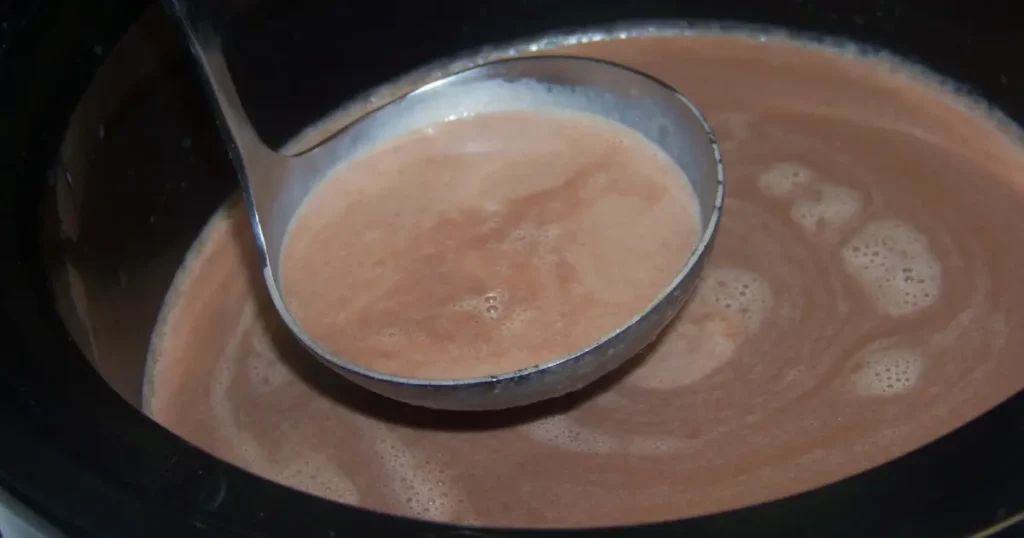
Christmas Hot Chocolate (Vitamix Method)
This modern interpretation demonstrates how traditional flavors can translate into health-conscious preparations:
Ingredients:
- 1/3 cup pure cacao powder
- 1/2 tablet dark chocolate (70% cacao minimum)
- 2 cups filtered water
- 1/2 cup raw cashews (soaked 2 hours if not using high-speed blender)
- 1 tablespoon almond butter
- 1 tablespoon coconut sugar
- 1/4 teaspoon orange zest
- 1/8 teaspoon Bourbon vanilla powder
Preparation:
- Add all ingredients to a high-speed blender in the order listed.
- Select the “hot soups” program or begin on low speed, gradually increasing to high.
- Blend for 5 minutes and 45 seconds, allowing friction to heat the mixture.
- The cashews and almond butter create creaminess without dairy, while coconut sugar provides sweetness with a lower glycemic impact.
This preparation honors the drink’s Mesoamerican origins—water-based, nut-thickened, intensely flavored—while incorporating modern nutritional priorities. The orange zest, though not traditional, complements cacao’s natural citrus notes.
Like coffee, freshly prepared hot chocolate benefits from a brief rest (2-3 minutes) before serving. This allows flavors to integrate and temperatures to equalize throughout the liquid. Extremely hot chocolate overwhelms taste receptors; slightly cooled chocolate reveals nuanced flavors.
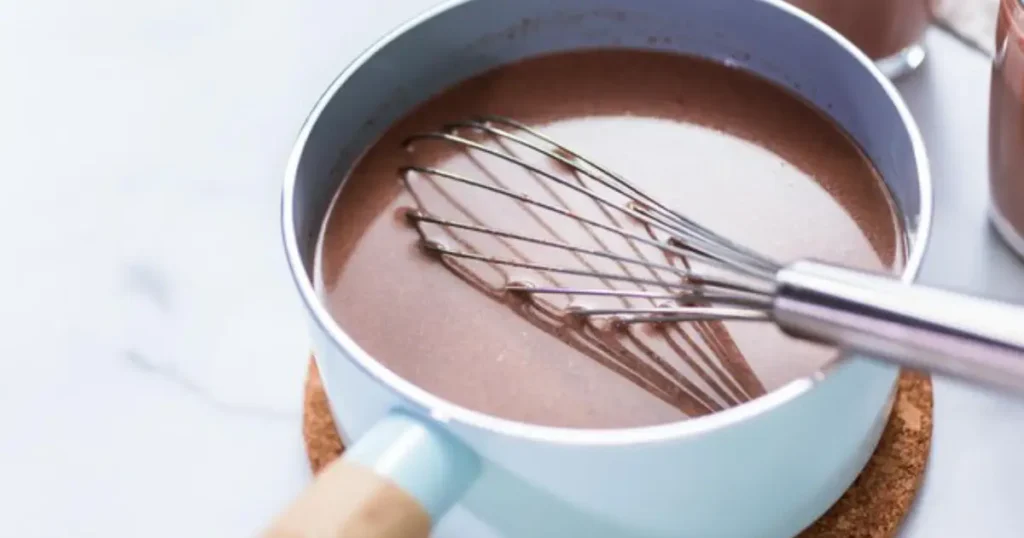
Guatemalan Hot Chocolate
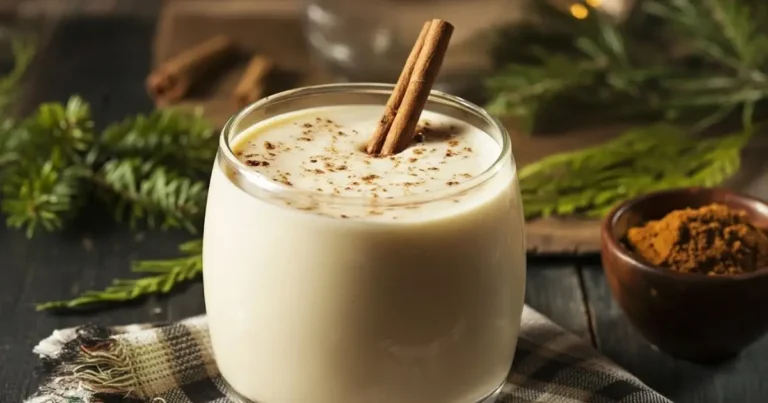
Guatemalan hot chocolate represents far more than a recipe—it embodies millennia of human history, spiritual significance, colonial transformation, and cultural resilience. From the bitter, chile-spiked xocolatl of Maya ceremonies to the sweet, cinnamon-scented comfort drinks of contemporary kitchens, chocolate’s evolution mirrors Guatemala’s own complex cultural journey.
Whether you pursue authentic traditional methods or explore modern health-conscious variations, approaching Guatemalan hot chocolate with knowledge and respect honors the countless generations who cultivated, traded, prepared, and ceremonially consumed this extraordinary beverage. In a world of instant cocoa packets and artificial flavors, taking time to prepare chocolate properly connects us to something deeper—a living heritage that continues evolving while honoring its ancient roots.