Stuffed Turkey: The Ultimate Pavo Relleno Guide
The Centerpiece of Noche Buena
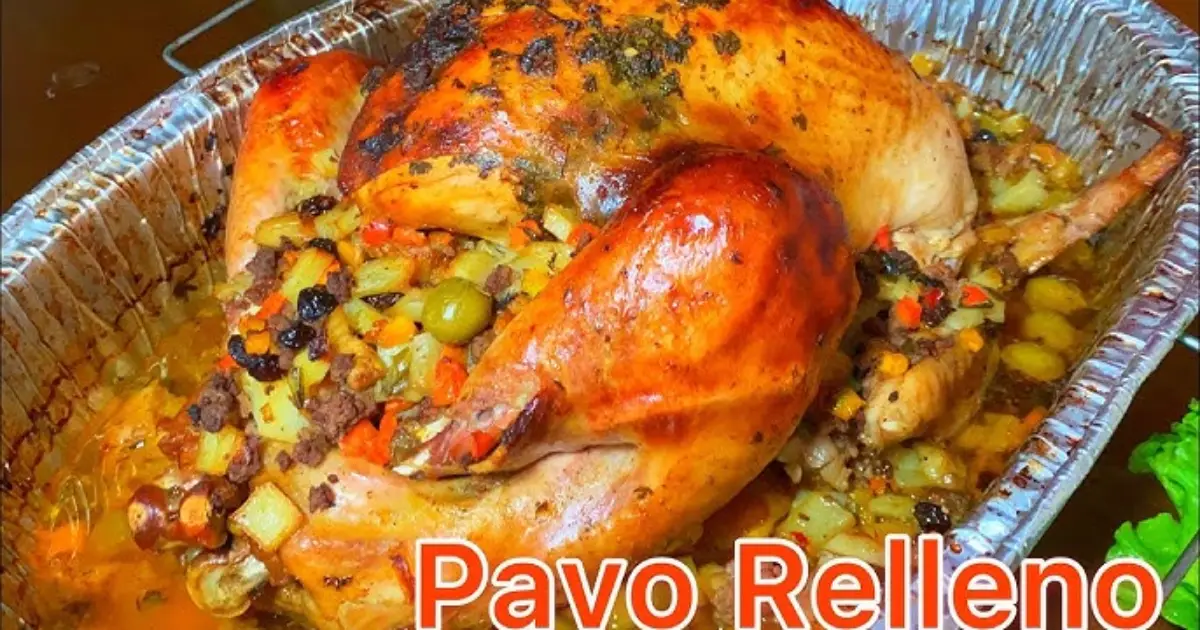
There’s a moment on Christmas Eve in Guatemala when the aroma of roasting turkey, infused with garlic, bay leaves, and savory meat stuffing, signals that Noche Buena has truly begun. The Guatemalan stuffed turkey—known locally as Pavo Relleno Guatemalteco—is far more than a holiday meal; it is a culinary ritual that binds generations around the dinner table, a dish that carries the weight of Mesoamerican history in every bite.
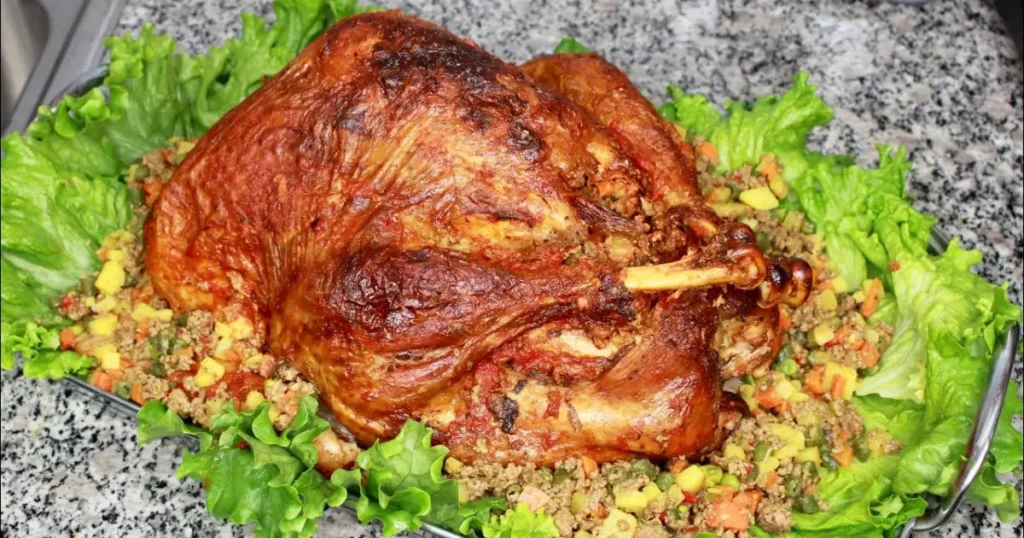
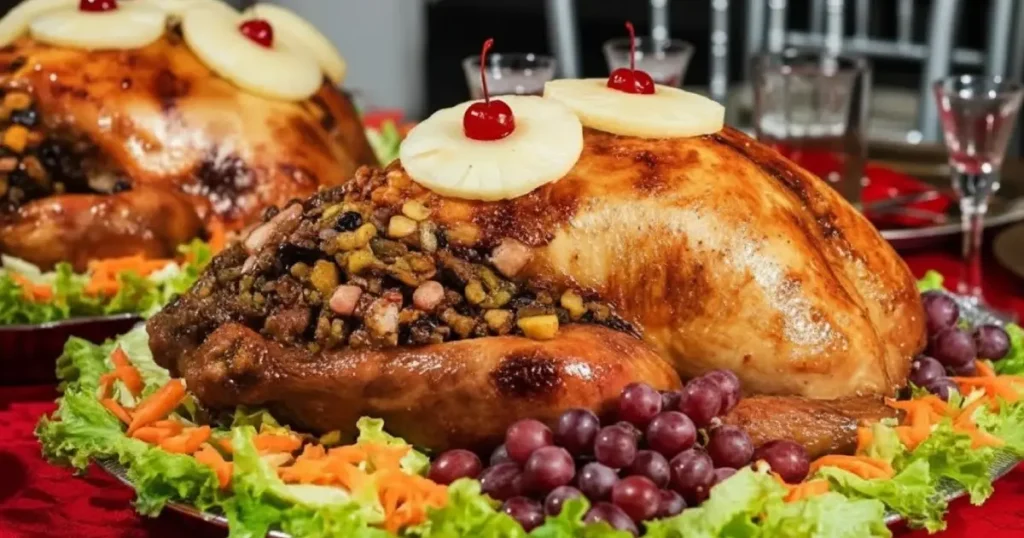
Unlike its North American counterpart, which typically features bread-based dressings flavored with sage and celery, the Guatemalan preparation takes an entirely different philosophical approach. Here, the stuffing is a robust, pre-cooked mixture of seasoned ground meat and vegetables—more reminiscent of a hearty stir-fry than a traditional dressing. This technique ensures that every component enters the bird already layered with deep, caramelized flavor, transforming the turkey into something unmistakably Central American.
Historical and Cultural Background
The Turkey’s Ancient Origins
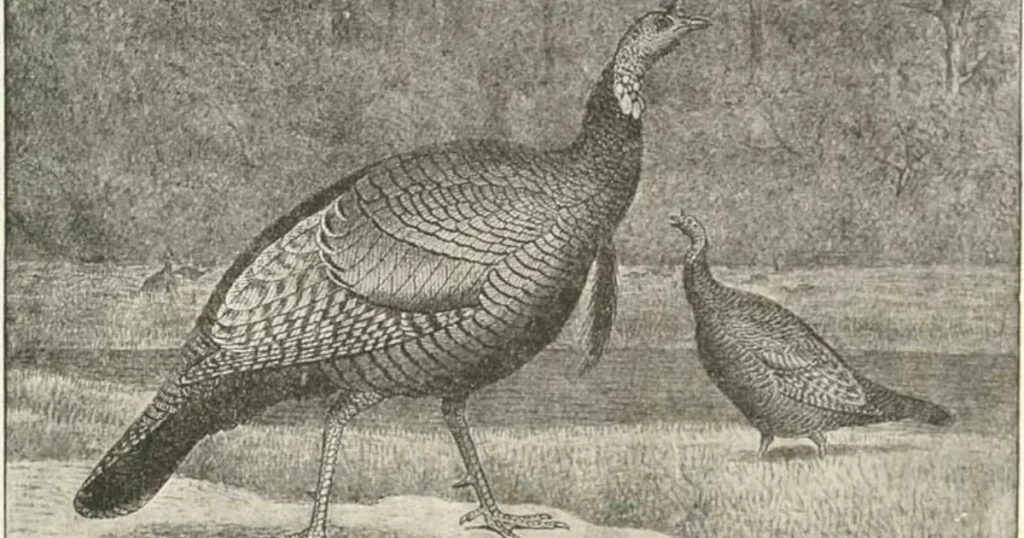
The story of the turkey in Guatemalan cuisine begins not in a colonial kitchen but in the highlands of ancient Mesoamerica. The wild turkey (Meleagris gallopavo) was first domesticated by the Aztecs in what is now Mexico, though wild populations roamed extensively from the eastern coast of North America through Guatemala and as far south as Honduras during the pre-Columbian era.
When Spanish conquistadors arrived in Mexico in 1519, they encountered both wild and domesticated turkeys in remarkable abundance. Recognizing the bird’s culinary potential, the Spanish transported domestic turkeys to the Caribbean by 1520 and subsequently to Spain. From there, the turkey spread rapidly across the Mediterranean and Western Europe, reaching England by 1550.
The Culinary Boomerang Effect
In a fascinating twist of gastronomic history, English colonists arriving in the Americas were already familiar with preparing turkey—because the bird had previously made its way to Europe and back. This “culinary boomerang” meant that colonists brought European cooking techniques to a New World ingredient that had originated just miles from where they landed. Turkeys proved vital to colonial survival; massive flocks of 5,000 birds or more populated river valleys and could be easily hunted during harsh winters.
Establishment as a Guatemalan Tradition
While the precise moment when Pavo Relleno became the centerpiece of Guatemalan Noche Buena remains historically unclear, the tradition is now inextricably linked to Christmas Eve celebrations. The dish represents what Guatemalans describe as “warm hugs at midnight”—a communal experience where families gather not just to eat but to prepare the meal together. This mirrors the turkey’s trajectory in the United States, where it became the standard holiday protein, though the preparation methods diverged significantly between cultures.
Ingredients: A Complete Breakdown
For the Turkey (14-pound bird, serving 10-12)
The bird itself requires minimal seasoning, as the stuffing provides the primary flavor profile. You will need one whole turkey weighing approximately 14 pounds, olive oil or margarine for coating, and generous amounts of salt and pepper. The turkey should be completely thawed if frozen, cleaned thoroughly inside and out, and dried before seasoning.
For the Stuffing (Relleno)
Proteins: One pound of ground pork, ground beef, or a combination provides the savory foundation. The meat should be relatively lean to prevent the stuffing from becoming greasy.
Vegetables: Half a pound each of green beans (ejotes) and carrots form the vegetable base. Some recipes include half a pound of potatoes as well. All vegetables should be cut into uniform small squares—approximately quarter-inch dice—to ensure even cooking and consistent texture.
Aromatics and Seasonings: Garlic is essential, with quantities ranging from six cloves to four heads depending on preference and family tradition. Additional seasonings include bay leaves (laurel), powdered consommé or bouillon, salt, and black pepper.
Cooking Fats: Olive oil is preferred for frying both the meat and vegetables, though margarine serves as an acceptable substitute, particularly for coating the turkey’s exterior.
Step-by-Step Instructions
Phase One: Preparing the Stuffing
Step 1: Begin by preparing your vegetables. Wash the carrots and green beans thoroughly. Using a sharp knife, cut both into small, uniform squares approximately one-quarter inch in size. If using potatoes, peel them first and cut to the same dimensions. Uniformity ensures even cooking and consistent texture in the final dish.
Step 2: Heat olive oil in a large frying pan over medium-high heat. Once shimmering, add half of your minced garlic along with salt and pepper. Fry for approximately two minutes until fragrant but not browned.
Step 3: Add the ground meat to the garlic pan, breaking it apart with a wooden spoon. Cook until the meat releases its fat and absorbs the seasonings—approximately eight to ten minutes. The meat should be fully cooked with no pink remaining. Remove from heat and transfer to a large mixing bowl.
Step 4: In a separate pan, heat additional olive oil over medium-high heat. Add the diced carrots and green beans (and potatoes, if using). Fry until the vegetables achieve golden-brown edges, stirring occasionally—approximately twelve to fifteen minutes.
Step 5: Add the remaining garlic, a bay leaf, pepper, and one packet of consommé to the vegetables. Stir to combine and cook for an additional three minutes. Remove from heat.
Step 6: Allow both the meat mixture and vegetable mixture to cool for approximately ten minutes. Combine them in the large mixing bowl, stirring thoroughly to distribute all components evenly. Taste and adjust seasoning as needed.
Phase Two: Preparing the Turkey
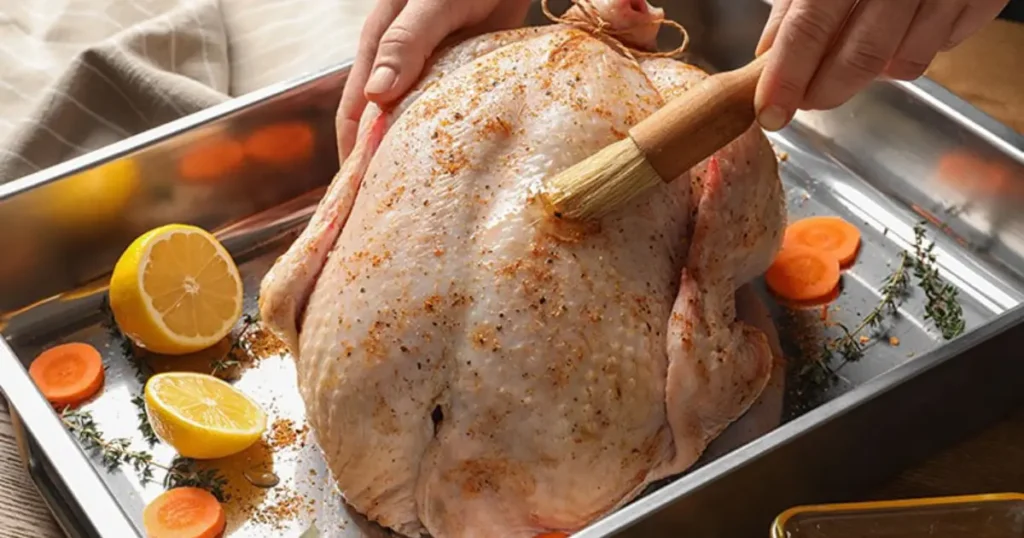
Step 7: Remove the turkey from its packaging and extract the neck and giblets from the cavity. Rinse the bird thoroughly inside and out under cold running water.
Step 8: Pat the turkey completely dry using paper towels, paying particular attention to the cavity. A dry surface ensures better browning and prevents steaming.
Step 9: Coat the turkey liberally with olive oil or softened margarine, covering both the exterior skin and the interior cavity. Season generously with salt and pepper, massaging the seasonings into the skin.
Step 10: Spoon the cooled stuffing mixture into the turkey cavity, packing it firmly but not compressing it too tightly. If the cavity is overly full, secure the opening with kitchen twine or turkey lacers.
Phase Three: Roasting
Step 11: Preheat your oven to 375°F (190°C). Grease a large roasting pan or deep Pyrex dish with margarine or oil.
Step 12: Place the stuffed turkey breast-side up in the prepared roasting vessel. Cover the entire pan tightly with heavy-duty aluminum foil, crimping the edges to create a sealed cooking environment.
Step 13: Roast for 3.5 to 4 hours. The foil covering traps heat and moisture, essentially creating a braising environment that keeps the meat tender while allowing it to roast.
Step 14: Remove the foil during the final 30 to 45 minutes of cooking to allow the skin to brown and crisp.
Step 15: Verify doneness by cutting into the thickest part of the thigh. The meat should not be pink (undercooked) nor excessively white and stringy (overcooked). A meat thermometer inserted into the thigh should read 165°F (74°C).
Step 16: Allow the turkey to rest for twenty to thirty minutes before carving. This resting period allows juices to redistribute throughout the meat.
Traditional Accompaniments
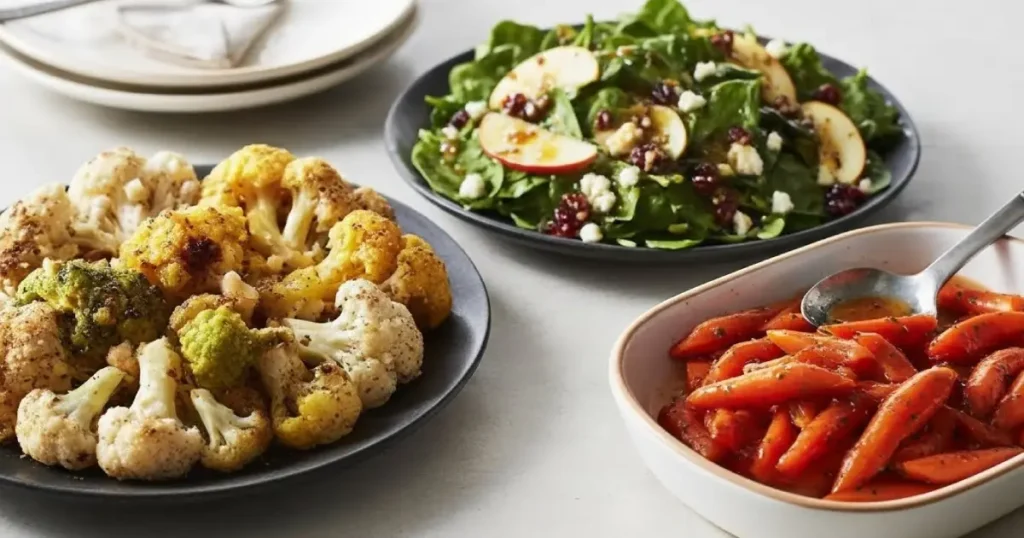
The richness of Pavo Relleno demands accompaniments that provide contrast and balance. Traditional Guatemalan Noche Buena tables feature several key side dishes.
Cauliflower Purée with Parmesan offers a light, creamy counterpoint to the savory turkey, providing richness without the heaviness of traditional mashed potatoes.
Spinach and Cranberry Salad with Balsamic Dressing introduces brightness and acidity to cut through the meat’s fattiness while the cranberries echo the festive color palette of the season.
Glazed Carrots with Honey and Rosemary complement the turkey’s savory notes with natural sweetness, while the rosemary adds aromatic complexity that harmonizes with the bay leaf in the stuffing.
Wild Rice with Toasted Almonds provides textural contrast—the nutty crunch standing in relief against the tender turkey and soft stuffing.
Cornbread with Honey Butter serves as the traditional finale, honoring Central America’s maize heritage while offering a sweet note to conclude the meal.
Discover authentic Guatemalan stuffed turkey (Pavo Relleno)
The Guatemalan stuffed turkey stands as a magnificent example of how culinary traditions evolve, adapt, and ultimately define cultural identity. From its origins in ancient Mesoamerica through its European journey and back to the Americas, the turkey has accumulated layers of meaning that extend far beyond its nutritional value. In Guatemala, it has become inseparable from the emotional landscape of Christmas Eve.
Whether you’re preparing this dish for the first time or continuing a family tradition spanning generations, remember that the true secret lies not in any single ingredient or technique but in the care and intention you bring to the process. The best Pavo Relleno is always the one made with family, served with gratitude, and eaten with joy.