Guatemalan Christmas Ham: The Complete Guide to Jamón Horneado
Discover The Rich Tradition of Guatemala
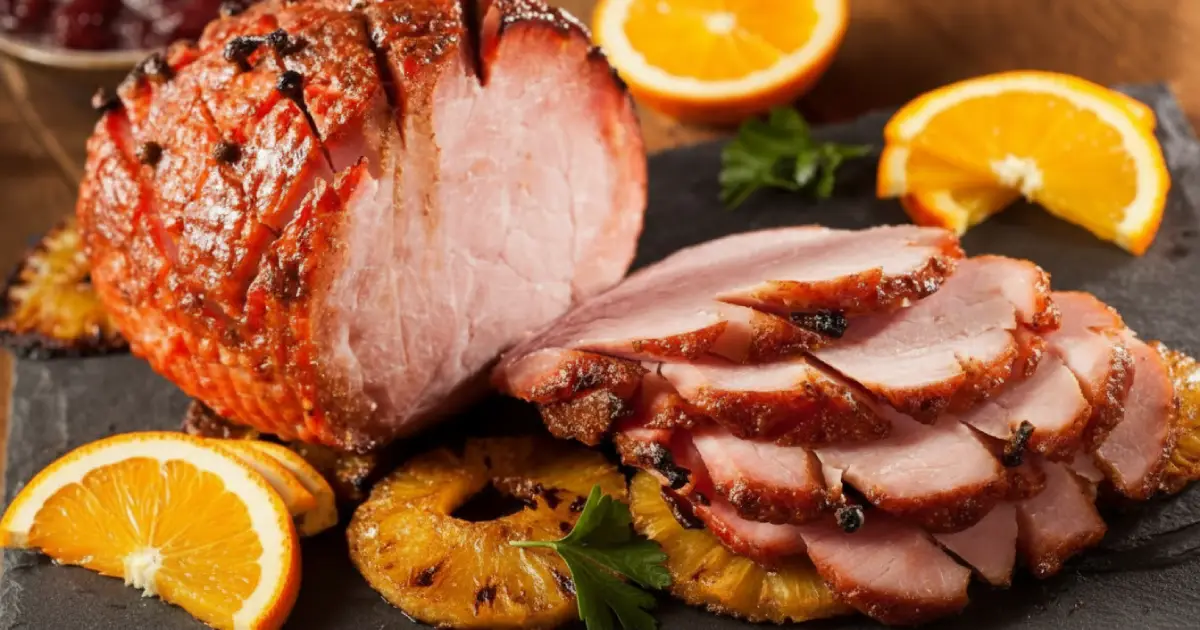
Few dishes capture the essence of Central American holiday celebrations quite like jamón horneado, Guatemala’s beloved baked Christmas ham. This magnificent centerpiece—glazed with honey, bathed in citrus and wine, and studded with aromatic cloves—represents far more than a festive meal. It embodies centuries of cultural exchange, family tradition, and the distinctive Guatemalan approach to balancing savory depth with unapologetic sweetness.
On Noche Buena (Christmas Eve), families across Guatemala gather around tables anchored by this glistening, caramelized ham, its surface decorated with tropical fruits and its aroma filling homes with unmistakable holiday warmth. The dish serves as a culinary prelude to the exchange of gifts, a moment when multiple generations connect over shared plates and inherited recipes.

Historical and Cultural Background
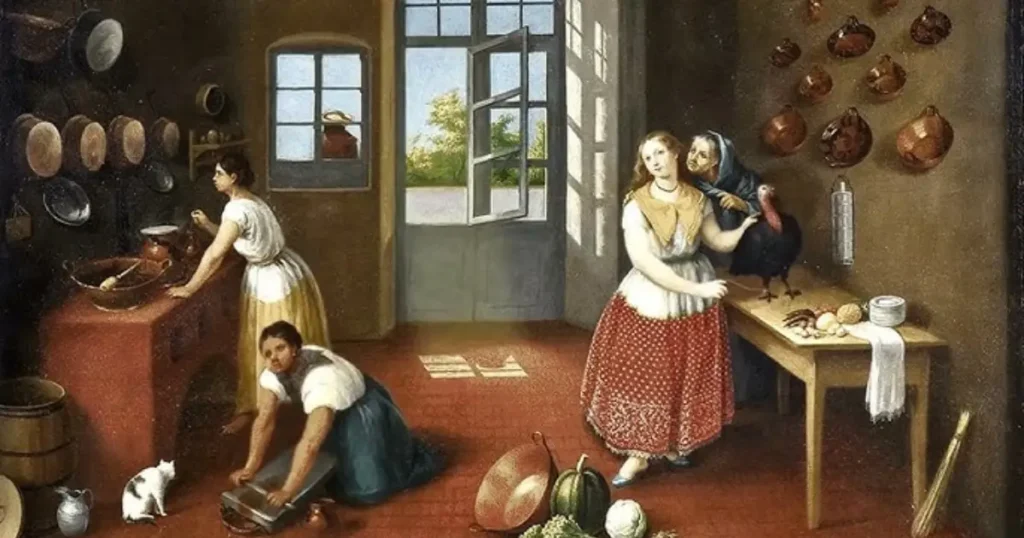
The story of Guatemalan Christmas ham begins not in the highlands of Central America, but in the kitchens of colonial Spain. When Spanish conquistadors arrived in the 16th century, they brought with them pigs, wine, and centuries-old techniques for curing and preserving meat. These European practices collided with an indigenous Maya diet built around corn, beans, squash, and chiles, initiating a culinary transformation that would take centuries to fully mature.
During the colonial period, preserved ham became associated with celebration and abundance—a luxury item that marked special occasions for those who could afford it. The technique of glazing ham with local ingredients began as practical adaptation: tropical fruits like pineapple and citrus were abundant, honey was readily available, and the combination created a distinctive flavor profile that differed markedly from European preparations.
However, the jamón horneado as modern Guatemalans know it crystallized in the 1950s through an unexpected source: German immigrants. Companies of German origin, most notably Astoria, established sausage and ham manufacturing operations in Guatemala during this decade. They introduced European processing techniques that dramatically improved the quality of local cured meats while also implementing better cattle breeding practices. This industrialization made high-quality smoked ham accessible beyond elite households, democratizing what had been a luxury and establishing it as the definitive Christmas centerpiece.
Main Concept: Understanding Jamón Horneado
At its core, jamón horneado represents a mastery of contrast—the interplay between the smoky, salt-cured depth of pork and the bright, caramelized sweetness of its glaze. This isn’t subtle cooking; it’s unapologetically bold, designed to be the gravitational center of a holiday table laden with complementary dishes.
The foundation is always a large smoked ham, typically weighing around eight pounds, though a fresh leg of pork can substitute. The smoking process is essential: it provides the baseline salinity and umami depth that the sweet glaze will counterbalance. Without this foundation, the dish becomes merely sweet rather than complex.
Regional Variations and Expert Techniques
While the basic jamón horneado recipe remains relatively consistent across Guatemala, regional and family variations add distinctive touches that reflect local preferences and inherited traditions.
The Antigua Approach tends toward more pronounced citrus notes, with some cooks adding lime juice alongside orange and incorporating more fresh ginger into the glaze.
Guatemala City preparations often lean into the European heritage more heavily, with drier white wines and a more restrained sweetness.
Ingredients and Key Elements
For the Ham:
- 1 smoked ham, approximately 8 pounds (bone-in preferred for flavor)
- 20-30 whole cloves
For the Glaze and Braising Liquid:
- 1 cup honey (preferably local, unprocessed)
- ½ cup melted butter (unsalted)
- 3 tablespoons Worcestershire sauce (salsa inglesa)
- 1½ cups mustard (optional, for savory variation)
- 2 cups freshly squeezed orange juice (approximately 4-5 large oranges)
- 1 cup dry white wine (Sauvignon Blanc or similar)
For Decoration and Aromatics:
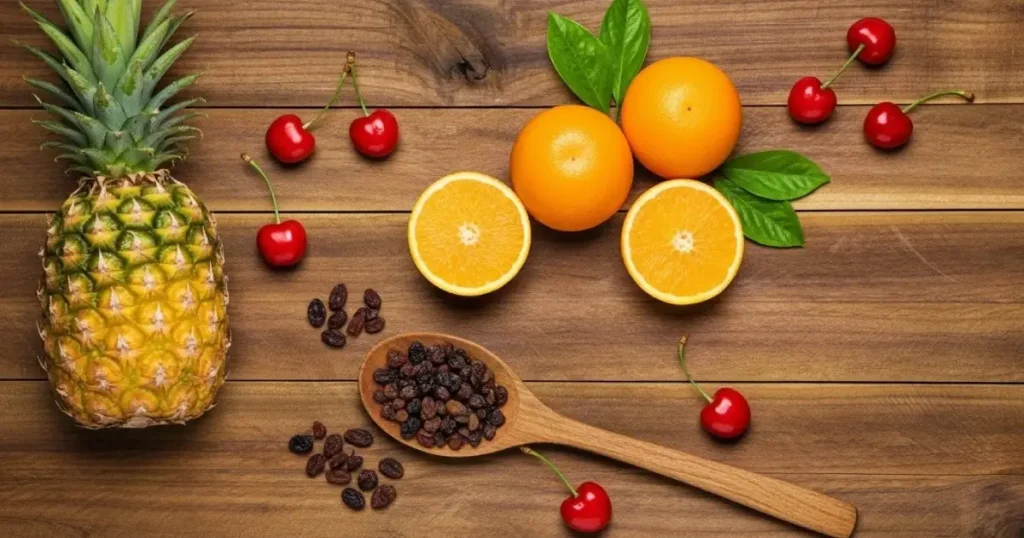
- 1 fresh pineapple, sliced into rings
- 2 oranges, sliced into rounds
- ½ cup raisins
- ½ cup maraschino cherries
- Toothpicks for securing fruit
For the Serving Sauce:
- ½ cup brown sugar (packed)
- 1 cup fresh orange juice
- 1 teaspoon fresh ginger (finely grated)
- 2 tablespoons cornstarch (fécula de maíz)
- ½ cup water
- 1 packet chicken consommé
Ingredient Notes:
The quality of your ham determines the ceiling of your final dish. Seek out a genuinely smoked ham rather than one that’s been liquid-smoked or artificially flavored. The difference is immediately apparent in both aroma and depth of flavor.
Fresh orange juice is non-negotiable. Bottled or concentrated juice lacks the bright, volatile aromatics that fresh juice provides, and the acidity profile differs significantly. Squeeze your oranges the day of cooking for best results.
The Worcestershire sauce provides umami depth that might seem incongruous with the sweet profile but is essential for complexity. It prevents the glaze from reading as one-dimensionally sweet and provides the savory backbone that makes this dish satisfying rather than cloying.
Step-by-Step Preparation
Step 1: Preparation and Setup Preheat your oven to 350°F (180°C). Remove the ham from refrigeration at least one hour before cooking to allow it to approach room temperature—cold meat cooks unevenly. Wash the ham under cool water and pat completely dry with clean towels.
Step 2: Create the Fruit Bed Grease a large roasting pan or Pyrex dish thoroughly with butter. Arrange pineapple rings and orange slices across the bottom, creating an overlapping layer. This bed serves multiple purposes: it prevents the ham from sticking, releases moisture and sugars during cooking, and becomes a delicious accompaniment when serving.
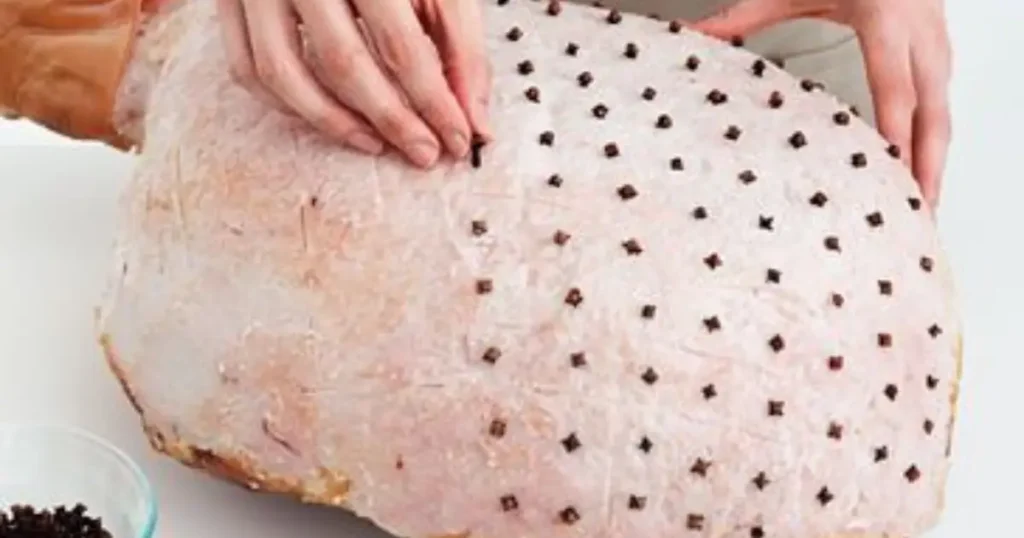
Step 3: Score the Ham Using a sharp knife, score the ham’s surface in a crosshatch pattern, making cuts approximately half an inch deep and one inch apart. This grid pattern should cover all exposed surfaces of the ham. Work systematically to ensure even spacing.
Step 4: Insert the Cloves Press one whole clove into each intersection point of your scoring grid. The cloves should be inserted firmly but not so deep that they disappear entirely—they’ll continue to perfume the meat throughout cooking and can be easily removed when serving if desired.
Step 5: Position and Initial Glazing Place the scored, clove-studded ham on the fruit bed, fat side up. Mix together the honey, melted butter, and Worcestershire sauce until fully combined. Pour this mixture evenly over the ham, using a brush or spoon to ensure complete coverage, paying particular attention to the scored crevices.
Step 6: Add Braising Liquid Pour half of the orange juice and half of the white wine into the bottom of the roasting pan, around (not over) the ham. This liquid will create steam and provide moisture for basting.
Step 7: Initial Baking Place the ham in the preheated oven, uncovered. Set a timer for 30 minutes.
Step 8: Basting Cycle After 30 minutes, open the oven and use a large spoon or baster to collect the pan juices and pour them over the ham. Add a portion of the remaining orange juice and wine to the pan. Repeat this basting process every 20-30 minutes throughout cooking.
Step 9: Monitor and Adjust Total cooking time is approximately 2 hours, but this varies based on ham size and starting temperature. The ham is ready when its internal temperature reaches 140°F (60°C) at the thickest point and the glaze has achieved a deep, mahogany caramelization. If the glaze begins to darken too quickly, tent loosely with aluminum foil.
Step 10: Prepare the Serving Sauce While the ham rests, combine brown sugar, orange juice, grated ginger, and consommé in a saucepan over medium heat. Mix cornstarch with water to create a slurry, then whisk into the saucepan. Cook, stirring constantly, until the sauce thickens to coat the back of a spoon, approximately 5-7 minutes.
Step 11: Rest and Present Remove the ham from the oven and allow it to rest for 15-20 minutes before carving—this redistributes juices and makes slicing easier. Transfer to a serving platter and decorate with fresh pineapple rings, orange slices, and cherries secured with toothpicks. Serve the sauce alongside in a gravy boat.
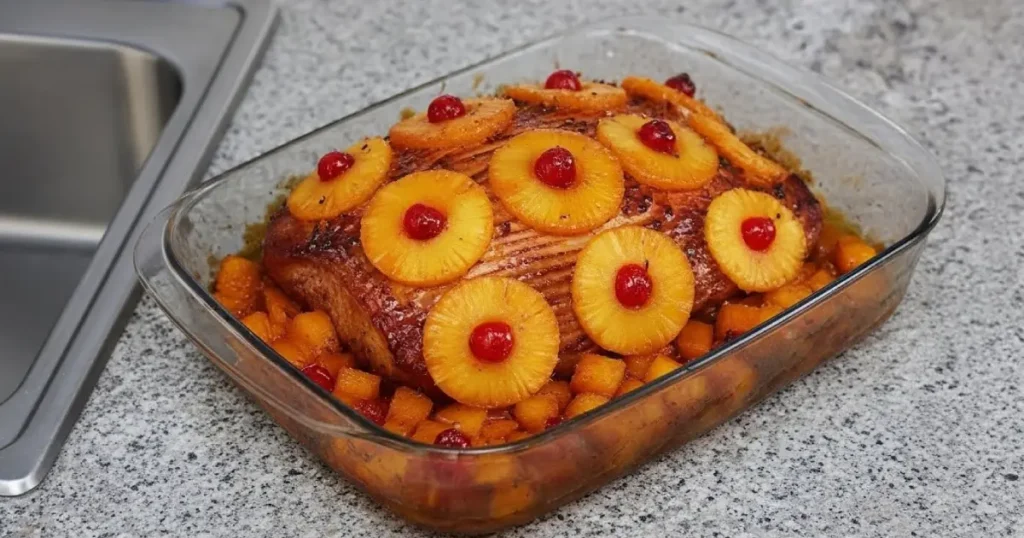
Iconic Noche buena Centerpiece
The jamón horneado of Guatemala represents something far greater than the sum of its ingredients. It is a culinary chronicle—a dish that carries within it the weight of Spanish colonialism, the innovation of German immigrants, and the creative adaptation that defines Guatemalan cooking. Each element of its preparation, from the clove-studded scoring to the tropical fruit garnish, tells a story of cultural negotiation and ultimate synthesis.
For families throughout Guatemala, this ham is inseparable from the warmth and anticipation of Noche Buena. It anchors the Christmas table just as tradition anchors the holiday itself—a fixed point around which the festivities of gift-giving, midnight mass, and multigenerational gathering revolve. The dish has achieved something rare: it is simultaneously nostalgic and alive, honoring past generations while remaining essential to contemporary celebration.