Jocón: Guatemala’s Green Sauce Chicken Stew Recipe
Jocón the “Green recado” or “Five Greens”
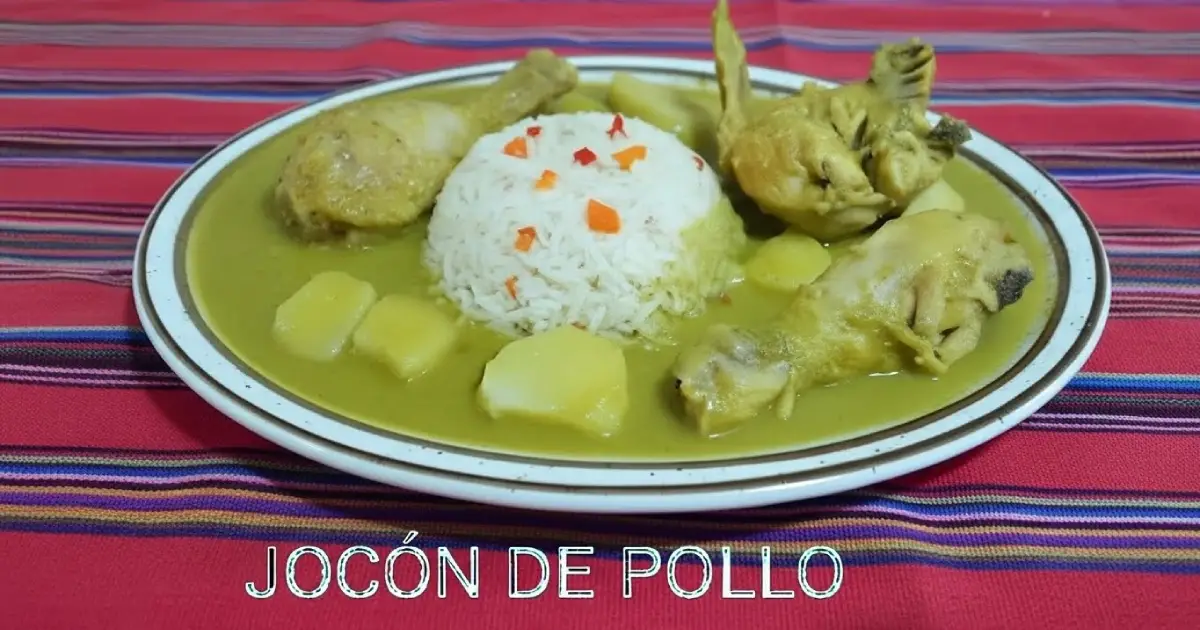
Few dishes capture the soul of a nation quite like Jocón captures Guatemala’s. This verdant, aromatic chicken stew—with its silken green sauce clinging to tender pieces of poultry—represents centuries of culinary evolution, from pre-Columbian kitchens to modern Guatemalan tables. The dish is so culturally significant that in 2007, Guatemala’s Ministry of Culture and Sports declared it Patrimonio Cultural Intangible de la Nación, placing it among the country’s most treasured intangible heritage.
The name itself tells the story. Derived from the Quiché Maya word jok om, meaning “green recado” or “five greens,” Jocón speaks to the indigenous roots that anchor Guatemalan cuisine. It is a dish born in the highlands of Huehuetenango, where the cool mountain air nurtures the miltomates, cilantro, and peppers that give this stew its distinctive emerald hue.
Key Takeaways
- Jocón is a traditional Guatemalan chicken stew featuring a thick green sauce made from miltomates, cilantro, and toasted seeds
- The dish was declared Guatemala’s Intangible Cultural Heritage on November 26, 2007
- Its name derives from the Quiché Maya term jok om, meaning “green recado” or “five greens”
- Huehuetenango department is recognized as the historical birthplace of this iconic dish
- Traditional preparation requires toasting and grinding pumpkin and pepitoria seeds for sauce thickening
- Authentic serving involves deep clay bowls (escudillas) accompanied by white rice and corn tortillas
Historical and Cultural Background
The story of Jocón begins in the rugged highlands of Huehuetenango, Guatemala’s westernmost department, where the Quiché Maya developed sophisticated agricultural and culinary traditions long before European contact. Here, in valleys surrounded by the Cuchumatanes mountain range, indigenous cooks perfected the art of the recado—the aromatic sauce bases that define Guatemalan gastronomy.
Recados represent one of Mesoamerica’s most significant culinary contributions. Unlike the quick sauces of European cooking, these preparations involve careful roasting, grinding, and blending of multiple ingredients to create complex flavor foundations. Jocón belongs to a prestigious family of Guatemalan recados that includes pepián, kak’ik, and subanik—each distinguished by its color, regional origin, and ceremonial significance.
Historically, Jocón was prepared with gallina criolla española—Spanish Creole hen—a bird prized for its rich, gelatinous meat that could withstand long simmering times. In some regions, cooks also prepared the dish with pork ribs, demonstrating the adaptability that has allowed Jocón to survive across centuries. Today, chicken has become the standard protein, though purists argue that nothing matches the depth of flavor achieved with a mature hen.
Main Concept: Understanding the Green Recad
At its core, Jocón is an exercise in balance—the bright acidity of miltomates tempered by the earthy richness of toasted seeds, the fresh punch of cilantro softened by slow-cooked aromatics. Understanding this interplay is essential for anyone seeking to master the dish.
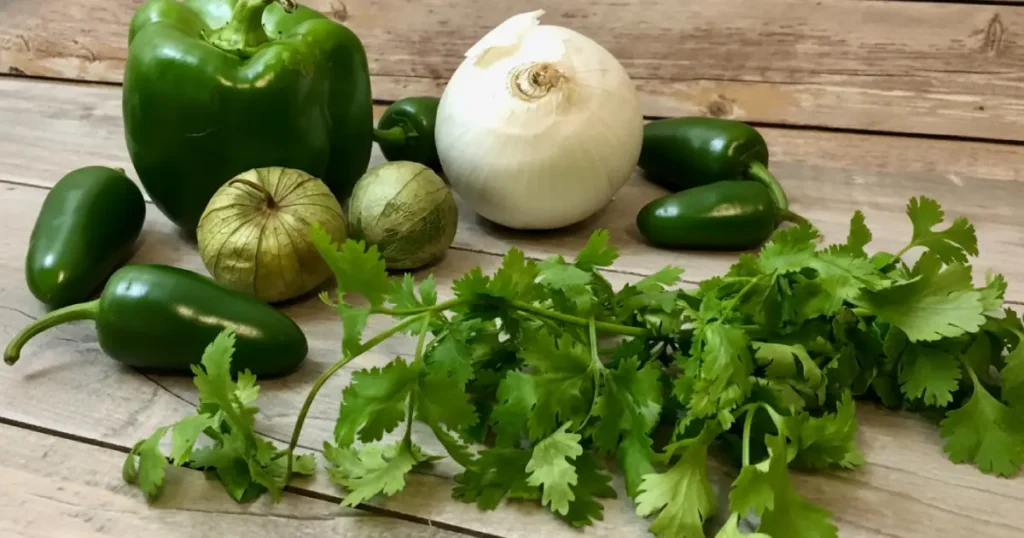
The “five greens” referenced in the dish’s Quiché name traditionally include miltomate, cilantro, green chile, green pepper, and onion with its green stalk. Each contributes a distinct element to the final recado. The miltomates provide the sauce’s foundation—a slightly tart, vegetal base that differs markedly from red tomato-based sauces. Fresh cilantro delivers the herbaceous intensity that gives Jocón its unmistakable character, while jalapeños and green peppers add measured heat and subtle sweetness.
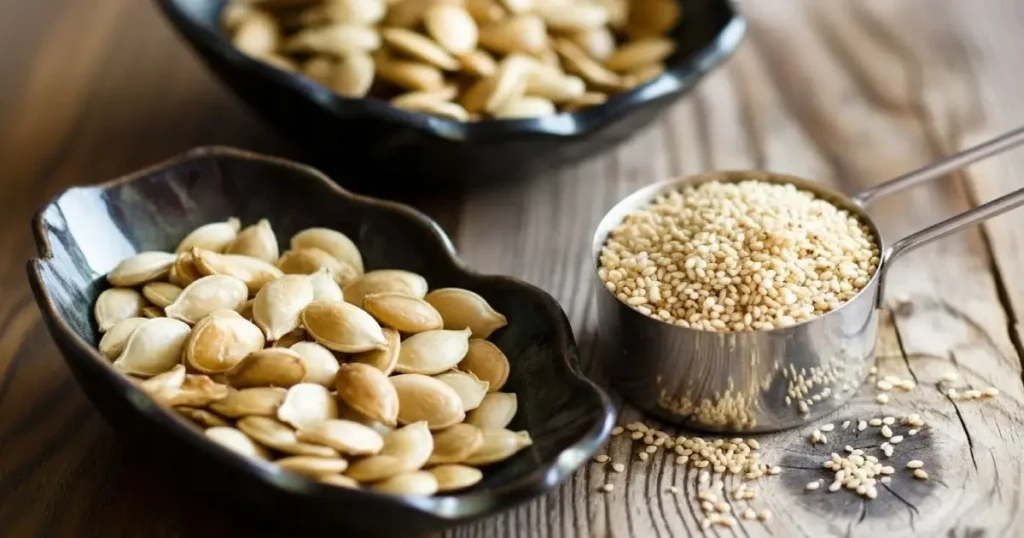
The thickening mechanism distinguishes Jocón from simpler green sauces found elsewhere in Latin America. Rather than relying on flour or corn masa, traditional Guatemalan cooks toast pumpkin seeds (pepitas) and pepitoria seeds until fragrant, then grind them into a fine powder. When incorporated into the simmering sauce, these seeds release their natural oils and starches, creating a velvety, clingy texture that coats each piece of chicken.
Variations and Regional Styles
While Huehuetenango claims Jocón’s birthplace, the dish has evolved differently across Guatemala’s diverse regions. Understanding these variations reveals the dynamic nature of traditional cuisine and offers home cooks multiple authentic approaches.
Huehuetenango Style (Traditional): The original preparation emphasizes austerity and purity. Cooks in this highland region often use minimal jalapeño, allowing the miltomate’s natural tartness to dominate.
Guatemala City Style (Urban): Metropolitan preparations tend toward richer, more elaborate versions. Cooks frequently add sesame seeds (ajonjolí) to the seed blend, introducing additional nuttiness.
Quetzaltenango Style (Western Highlands): In this region, cooks sometimes increase the jalapeño quantity significantly, producing a noticeably spicier final dish.
Festive Preparations: During celebrations, particularly patron saint festivals and family gatherings, Jocón often appears alongside its cousin dishes in elaborate multi-course meals.
Ingredients and Componen
The Green Foundation
Miltomates (1 to 1½ pounds): Also called tomates verdes or tomatillos, these provide the sauce’s acidic backbone. Select firm specimens with tight-fitting husks. Unlike regular tomatoes, miltomates should feel slightly sticky beneath their papery covering—a sign of freshness.
Fresh Cilantro (1 large bunch, approximately 2 cups chopped): The herb must be vibrantly green with no yellowing or wilting. Include tender stems, which carry significant flavor.
Green Bell Pepper (1 large): Adds subtle sweetness and vegetal depth without heat.
Jalapeño Peppers (2-3): For authentic preparation, remove seeds and membranes to moderate heat while retaining characteristic jalapeño flavor.
White Onion (1 large): Traditional recipes call for cebolla con tallo—onion with its green stalk—though a standard white onion works admirably.
Thickening Seeds
Toasted Pumpkin Seeds (½ cup, raw): These provide the primary thickening power. Source raw, hulled pepitas; pre-toasted versions lack the necessary fresh oils.
Toasted Pepitoria Seeds (¼ to ½ cup): Pepitoria are the seeds of a specific squash variety native to Guatemala. If unavailable, increase pumpkin seed quantity proportionally.
Toasted Sesame Seeds (2 tablespoons, optional): A common urban addition that deepens the sauce’s nutty dimension.
Protein and Aromatics
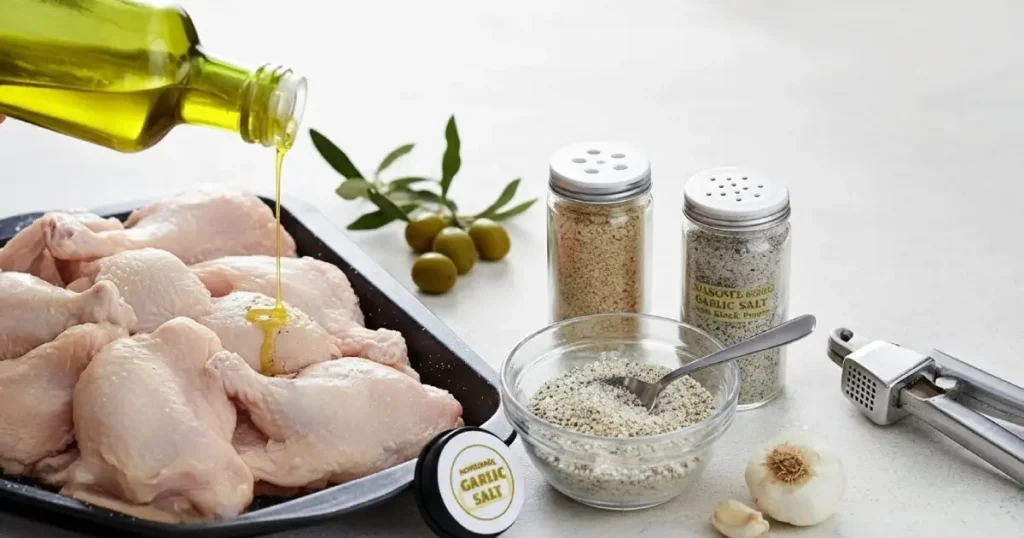
Chicken (3-5 pounds): Bone-in thighs and drumsticks offer superior flavor and moisture retention. Boneless, skinless breasts work but require careful timing to prevent drying.
Garlic (4-6 cloves): Finely minced for sautéing.
Olive Oil or Neutral Cooking Oil (2 tablespoons): For sautéing aromatics.
Salt and Black Pepper: To taste, approximately 2 teaspoons salt initially.
Step-by-Step Instruction
Stage One: Prepare the Toasted Seed Blend
Step 1: Place raw pumpkin seeds in a dry skillet over medium heat. Toast for 5-7 minutes, stirring frequently, until seeds turn golden and begin popping. Transfer immediately to a plate to halt cooking.
Step 2: In the same skillet, toast pepitoria seeds for 2-3 minutes until fragrant and lightly colored. If using sesame seeds, add during the final minute.
Step 3: Allow seeds to cool for 5 minutes. Transfer to a blender or spice grinder and pulse for 5-10 seconds until finely ground but not pasty. Reserve this mixture.
Stage Two: Cook the Chicken and Miltomates
Step 4: Remove papery husks from miltomates and rinse thoroughly to remove sticky residue.
Step 5: Place chicken pieces and whole miltomates in a large pot. Add 8-10 cups cold water and 2 teaspoons salt. If using bouillon, add now.
Step 6: Bring to a boil over high heat, then reduce to a gentle simmer. Cook uncovered for 30 minutes, skimming any foam that rises.
Step 7: Remove chicken pieces to a cutting board. Strain and reserve the cooking broth—you will need 3-4 cups. Remove miltomates and set aside separately.
Step 8: When chicken is cool enough to handle, shred meat into bite-sized pieces. Discard bones and skin.
Stage Three: Build the Green Recado
Step 9: Heat olive oil in a large, deep skillet or Dutch oven over medium heat. Add minced garlic, diced onion, diced bell pepper, and sliced jalapeños. Sauté for 10-12 minutes, stirring occasionally, until vegetables soften and begin to caramelize at edges.
Step 10: Transfer cooked miltomates and fresh cilantro to blender. Add 1½ cups reserved chicken broth. Blend for 15-20 seconds until completely smooth.
Step 11: Pour green purée into the pot with sautéed vegetables. Add reserved ground seed mixture and an additional 2 cups chicken broth. Stir thoroughly to combine.
Step 12: Bring mixture to a boil, then reduce heat to low. Simmer uncovered for 10 minutes, stirring occasionally, until sauce thickens noticeably.
Stage Four: Final Assembly
Step 13: Add shredded chicken to the thickened sauce. Stir gently to coat all pieces.
Step 14: Season with salt and pepper to taste. The sauce should be boldly seasoned—remember that rice and tortillas will absorb flavor.
Step 15: Continue simmering on low heat for an additional 10 minutes, allowing chicken to absorb the recado’s flavors.
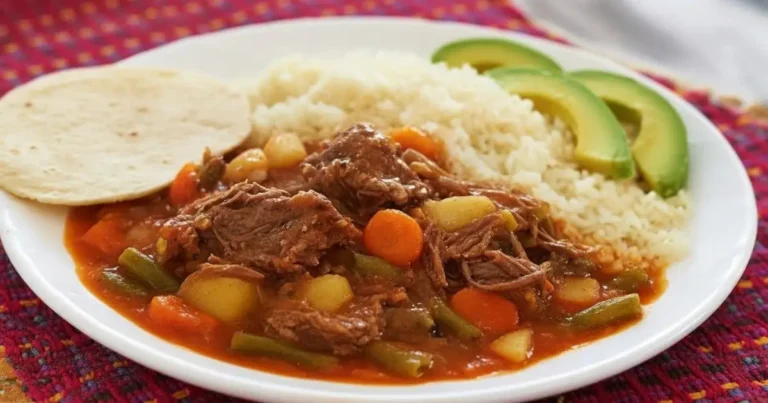
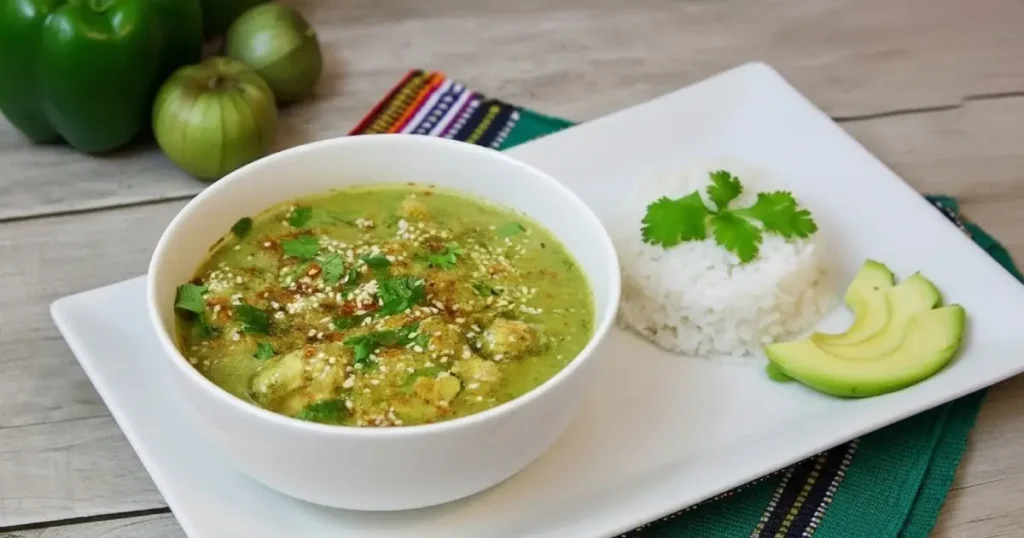
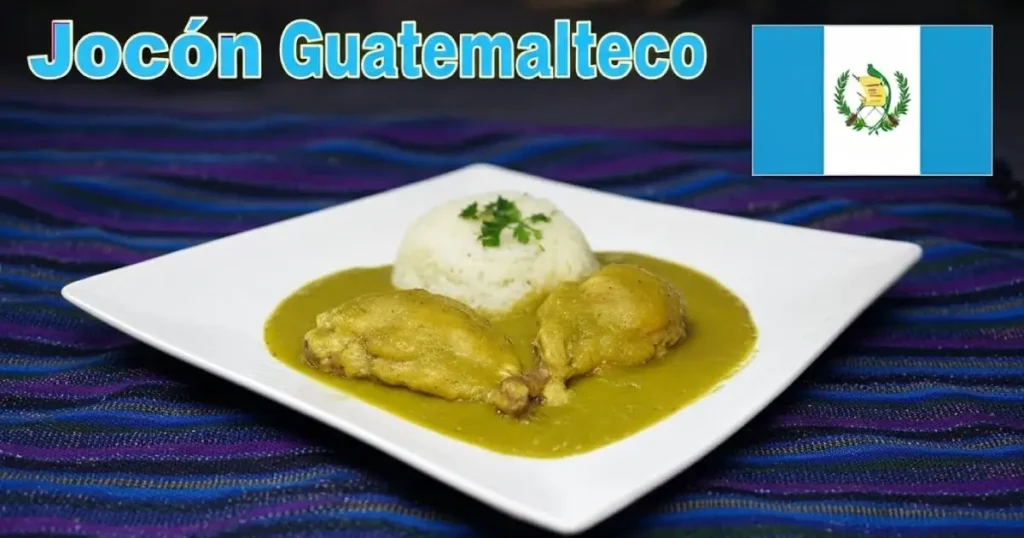
Step 16: Serve immediately in deep bowls, ladling generous amounts of sauce over the meat. Accompany with steamed white rice, warm corn tortillas, and sliced avocado.
Expert Tips and Common Mistakes
The Seed Toasting Window: Novice cooks frequently undertoast or burn their seeds. Properly toasted pumpkin seeds should be deeply golden—nearly brown—with a pronounced nutty aroma. Undertoasted seeds yield a flat, vegetal-tasting sauce; burned seeds contribute bitter, acrid notes that no amount of seasoning can mask.
Miltomate Selection Matters: Avoid soft, yellowing miltomates, which produce overly sweet, muted sauces. The ideal miltomate feels firm and slightly heavy for its size, indicating high moisture content and proper acidity.
Patience with Thickening: Resist the temptation to rush the final simmering stage. The ground seeds require sustained heat to properly release their thickening starches. A properly made Jocón should coat a spoon heavily—almost like a gravy consistency.
Cilantro Timing: Unlike many dishes where cilantro serves as a finishing herb, Jocón requires cilantro to be cooked into the sauce. This mellows its sharp edges while preserving its essential character. Adding cilantro at the end produces an unpleasantly raw, soapy flavor.
Broth Management: Save more cooking broth than you think necessary. If your sauce becomes too thick during simmering, you will need to thin it gradually. The broth—infused with chicken and miltomate flavors—maintains sauce integrity in ways that water cannot.
Common Mistake—Overcooking Chicken: If using breast meat, remove it from the poaching liquid at the 25-minute mark. Breast meat continues cooking as it rests and can become unpleasantly stringy if poached too long.
Jocón a Traditional Dish of Guatemalan Culture
Jocón stands as more than a recipe—it is a culinary manuscript written across generations, encoding Maya agricultural knowledge, colonial adaptations, and contemporary Guatemalan identity within each emerald-hued bowl. Its 2007 designation as Intangible Cultural Heritage formalized what every chapín already understood: that this dish, born in Huehuetenango’s highlands, represents something essential about Guatemala itself.
For home cooks approaching Jocón for the first time, patience and attention to technique will yield remarkable results. The careful toasting of seeds, the proper selection of miltomates, the gradual building of the recado—each step connects you to centuries of accumulated wisdom. Through resources dedicated to preserving these traditions, including platforms like Guatemala Food that document authentic Central American cuisine, this knowledge remains accessible to curious cooks worldwide.
Whether served at a family Sunday dinner or a patron saint celebration, Jocón continues its centuries-long role as Guatemala’s green heart—nourishing bodies and binding communities through the universal language of a shared meal.