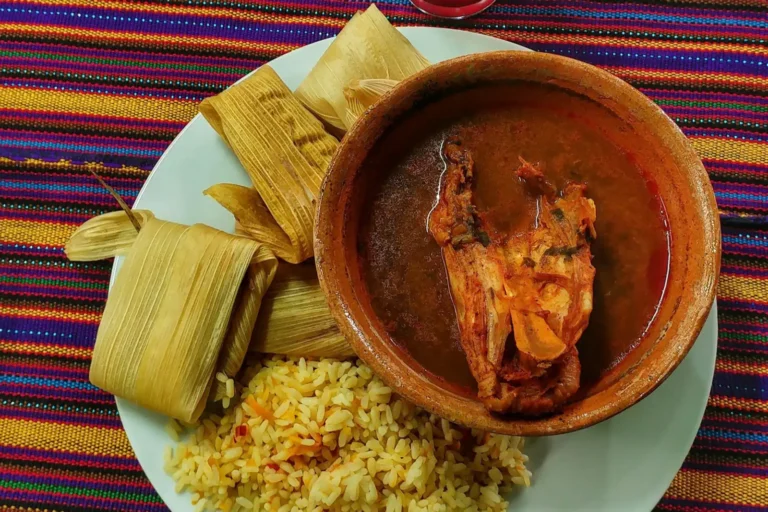

Guatemalan Pepián: The Authentic Recipe & Story of Guatemala’s National Stew
Guatemalan Pepián is a thick, rich stew that blends roasted seeds, chilies, and vegetables into one of the country’s oldest and most beloved dishes. Often considered Guatemala’s national dish, Pepián captures the deep cultural fusion between Mayan traditions and Spanish colonial influences. It’s earthy, smoky, slightly spicy, and deeply comforting — a reflection of Guatemala’s soul in a bowl.
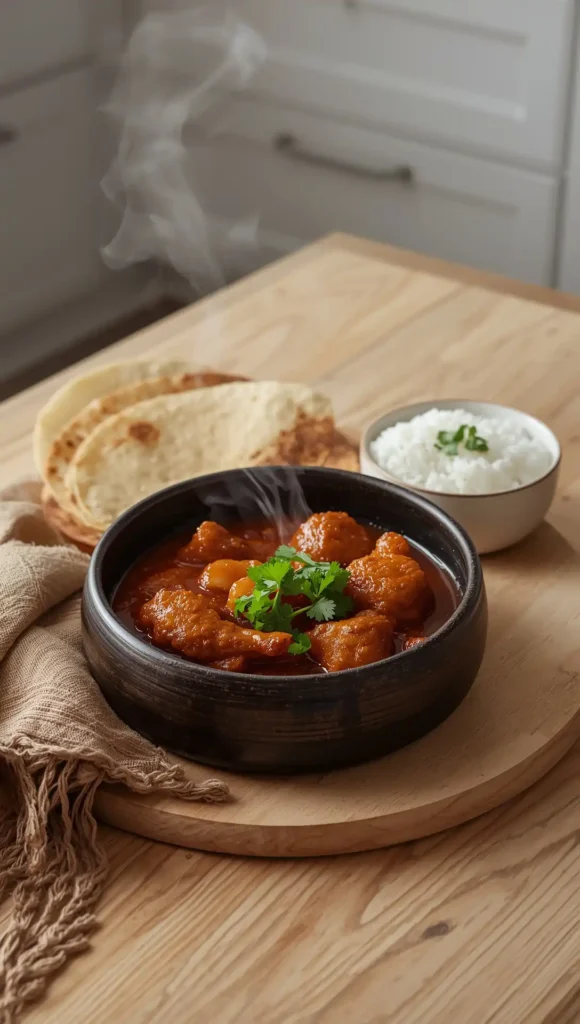
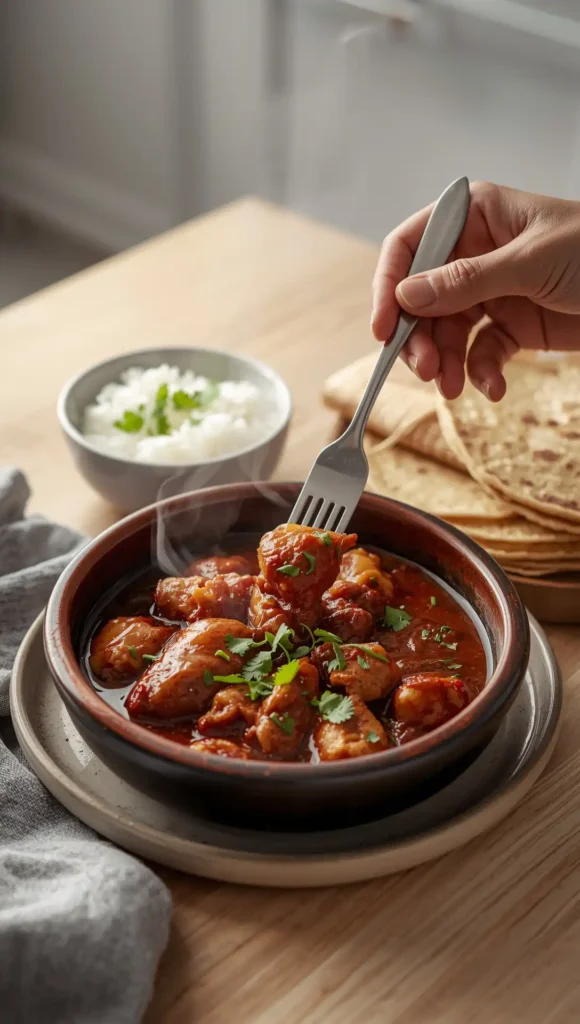
This dish can be made with chicken, beef, or pork, though Pepián de Pollo (chicken Pepián) is the most traditional and widely served version across the country. You’ll find it at family gatherings, Sunday lunches, and local markets, often served with rice and warm corn tortillas.
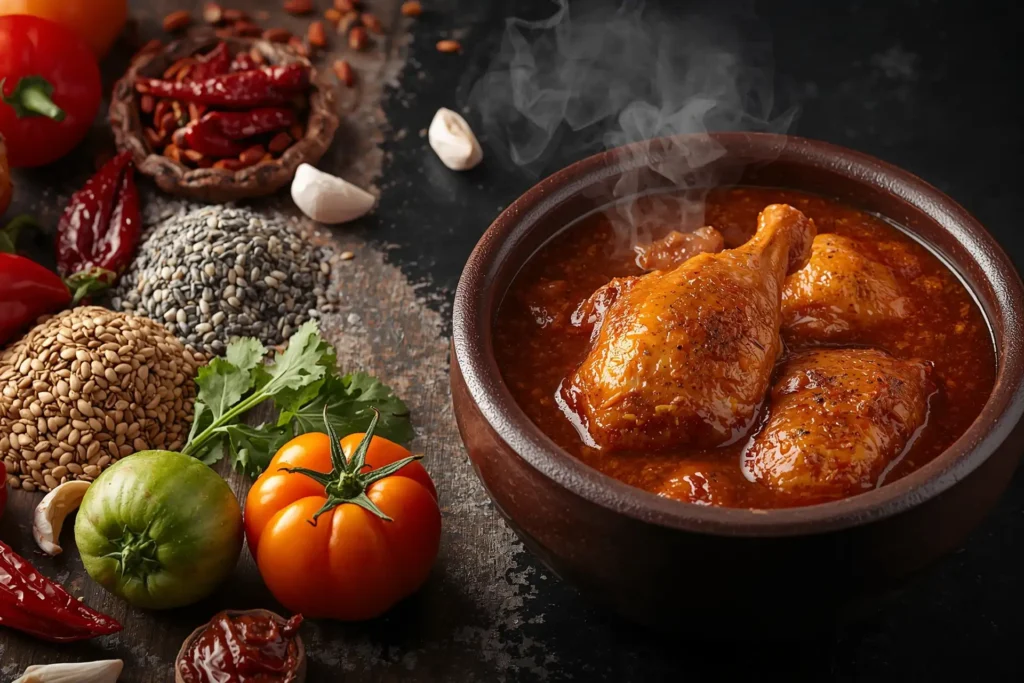
Origins and History of Pepián
The roots of Pepián trace back to pre-Columbian Maya cuisine, where cooks used roasted seeds, corn, and local spices to create thick sauces. Over time, with Spanish influence, ingredients such as meat and additional spices were added, giving rise to the version we know today.
Pepián is unique because it represents the meeting point of two worlds — indigenous cooking techniques and European ingredients. The result is a dish that tells the story of Guatemala’s identity, diversity, and resilience.
Key Ingredients and Flavor Profile
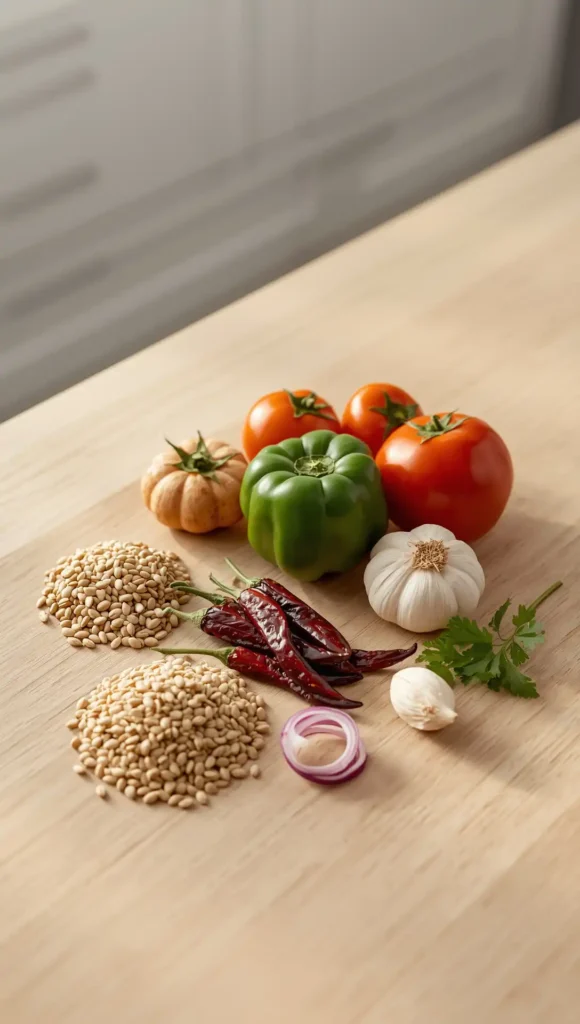
The secret behind Pepián’s deep flavor lies in the recado, a sauce made from toasted seeds, chilies, and vegetables that are ground and blended together. Here are the essentials:
- Pumpkin seeds (pepitoria) and sesame seeds — for thickness and a nutty taste.
- Dried chilies — usually guaque and pasa chilies, which add smokiness without overwhelming heat.
- Tomatoes, tomatillos, and bell peppers — provide the base flavor and slight acidity.
- Garlic, onions, and cilantro — bring aroma and balance.
- Chicken or beef — simmered slowly until tender.
Each region adds its own touch: some families prefer pork, others combine meats, and some highland areas add roasted tortillas or bread to thicken the sauce.
Equipment and Preparation Tips
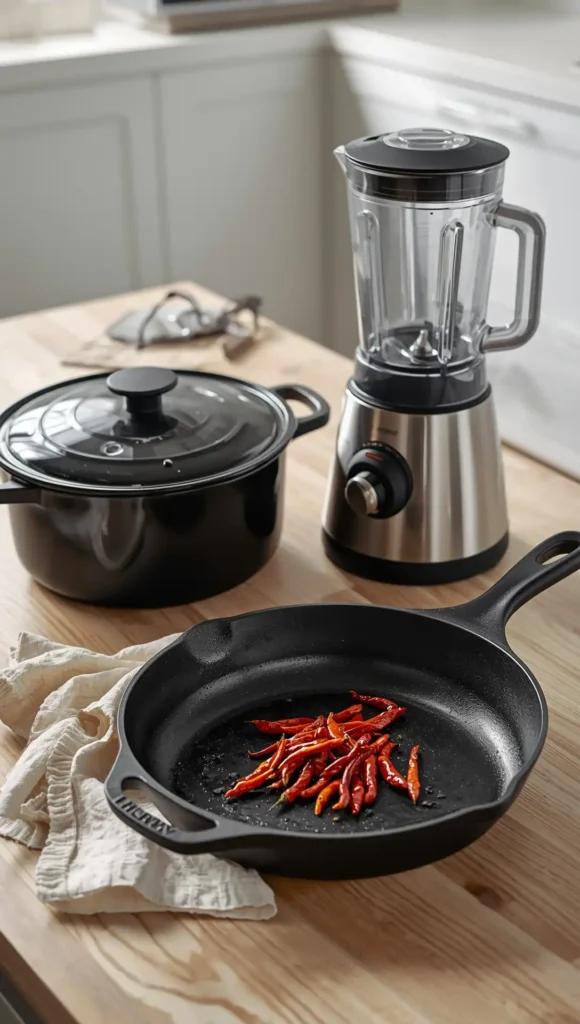
To prepare authentic Guatemalan Pepián, you’ll need:
- A large pot or Dutch oven for simmering.
- A comal or frying pan for toasting the seeds and vegetables.
- A blender or food processor to create the smooth recado.
Pro tip: Toast everything until fragrant but not burnt — the toasting process is essential to achieve the smoky, complex flavor that defines real Pepián.
How to Make Guatemalan Pepián
Step 1: Cook the Meat
Place your chicken or beef in a large pot with enough water to cover it. Add onion, garlic, and salt. Simmer until the meat is tender. Remove the meat and set aside, reserving the broth.
Step 2: Toast and Blend the Ingredients
On a dry skillet or comal, toast pumpkin seeds, sesame seeds, dried chilies, tomatoes, tomatillos, bell peppers, garlic, and onions. Once everything is golden and aromatic, transfer to a blender. Add a portion of the broth and blend until smooth.
Step 3: Combine and Simmer
Strain the blended sauce into the pot with the remaining broth. Add the cooked meat and simmer gently for 20–30 minutes, stirring occasionally until the sauce thickens and coats the meat.
Step 4: Serve
Serve hot with white rice and fresh corn tortillas. Garnish with chopped cilantro if desired.
Variations and Substitutions
- Chicken Pepián (Pepián de Pollo): The most popular and widely eaten version.
- Beef Pepián: Richer flavor and thicker texture.
- Vegetarian Pepián: Substitute meat with potatoes, green beans, or squash.
- Spice adjustment: Add extra guaque chili for more heat or omit for a milder flavor.
Cultural and Travel Notes
Pepián is more than a meal — it’s part of Guatemalan identity. It’s traditionally served during celebrations, family reunions, and special occasions such as Holy Week or Independence Day. In many towns, the aroma of Pepián fills the air on Sundays as families gather around the table.
If you visit Guatemala, you’ll find regional variations in places like Antigua, Chimaltenango, and Quetzaltenango — each claiming to make the most authentic version. Every bowl carries history, community, and a sense of belonging.
Frequently Asked Questions
Final Thoughts
Guatemalan Pepián is more than just a recipe — it’s a symbol of tradition, blending ancient Mayan techniques with Spanish influence to create something deeply flavorful and timeless. Whether you’re exploring Guatemalan cuisine for the first time or revisiting a taste of home, this dish embodies everything that makes Guatemalan food unique: warmth, family, and history.
Serve it with rice, enjoy it slowly, and remember that every spoonful carries centuries of flavor and culture.